

TUAM, COUNTY GALWAY, IRELAND – The serene, green landscape of rural Ireland holds a dark and deeply unsettling secret, one that has finally been unearthed, shattering a nation’s silence and forcing a painful confrontation with its past. The revelation that hundreds of infants and young children were buried in unmarked, unconsecrated ground at former “Mother and Baby Homes” has sent shockwaves across Ireland and the world, exposing a horrifying chapter of institutional abuse and neglect.
The grim truth began to surface with the tireless work of local historian Catherine Corless in Tuam, County Galway. Her meticulous research into the Bon Secours Mother and Baby Home, which operated from 1925 to 1961, revealed an astonishingly high death rate among the children born there, coupled with a complete lack of burial records for many of them. Her inquiries led to a horrifying suspicion: a mass grave.
In 2017, an independent commission, established by the Irish government, confirmed Corless’s fears. Geophysical surveys at the Tuam site uncovered a significant quantity of human remains, confirming the presence of a mass grave structure. Subsequent archaeological excavations revealed the remains of children, ranging from 35 weeks gestation to 3 years old, interred in what appeared to be a disused septic tank system. The commission’s later report concluded that the remains of between 796 and 978 children were buried at Tuam.
“It was a devastating confirmation of what many of us feared, but dared not fully believe,” Corless recounted, her voice still filled with anguish. “These were babies, tiny children, treated as if they didn’t matter, simply discarded.”
The Bon Secours Home was one of many such institutions across Ireland, run primarily by Catholic religious orders, to which unmarried pregnant women, known pejoratively as “fallen women,” were sent. These homes were often characterized by harsh conditions, forced labor, and the routine separation of mothers from their babies, many of whom were subsequently adopted, often illegally, both within Ireland and abroad. The high mortality rates within these institutions, largely due to neglect, disease, and malnutrition, have now come under intense scrutiny.
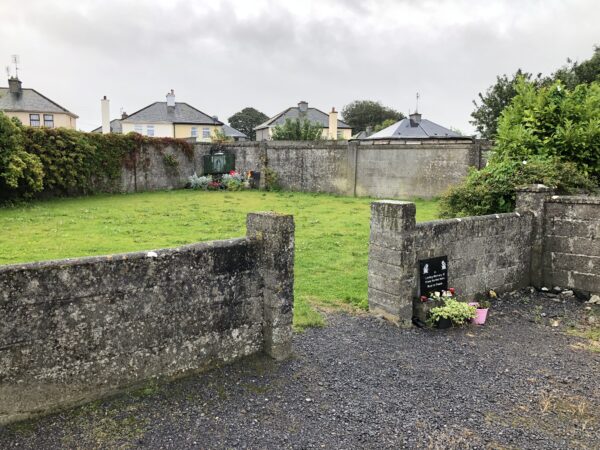
The Tuam discovery opened a Pandora’s Box, prompting broader investigations into similar sites across the country. The Commission of Investigation into Mother and Baby Homes, established in 2015, released its comprehensive report in 2021, detailing widespread abuse and neglect across 18 such institutions and four county homes. It found that approximately 9,000 children died in these institutions, representing about 15% of all children who were in the homes. The report acknowledged the secrecy surrounding many burials and the failure to provide dignified resting places for these infants.
The fallout has been immense. It has forced Ireland to confront a deeply uncomfortable period of its history, challenging its perception of itself as a devout, compassionate nation. The revelations have led to apologies from the Irish state and religious orders, calls for broader redress and recognition for survivors, and ongoing debates about the role of the Catholic Church in historical abuses. Legislation is now being considered to ensure proper excavation and commemoration of these burial sites.
For the families of the deceased, the discovery has brought a painful mix of confirmation and unresolved trauma. Many still seek the identities of their lost loved ones, hoping for proper burials and a measure of peace. The children of Tuam and other similar sites represent a haunting legacy, a stark reminder of the vulnerable lives lost and a nation’s slow, agonizing journey towards truth, accountability, and healing. The echoes of their silent graves continue to demand justice.