
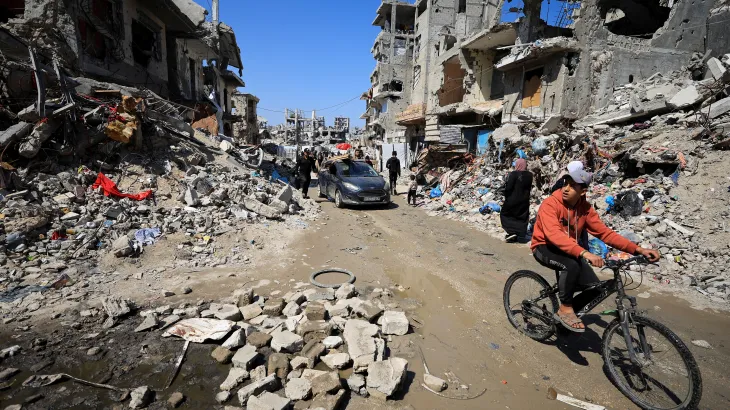
A high-stakes diplomatic ballet is unfolding on two continents today, as crucial ceasefire talks aimed at ending the devastating conflict in Gaza resume in Qatar, even as Israeli Prime Minister Benjamin Netanyahu prepares for a pivotal visit to Washington. The parallel tracks underscore the immense international pressure for a de-escalation, yet also highlight the deep fissures and competing agendas that continue to complicate any path to lasting peace.
In Doha, mediators from Qatar, Egypt, and the United States have reconvened with delegations from both Israel and Hamas for a renewed push towards a truce. Hopes, though fragile, are pinned on brokering a multi-stage agreement that would see the release of remaining hostages held by Hamas, a significant increase in humanitarian aid flowing into Gaza, and a temporary cessation of hostilities. Sources close to the negotiations suggest that while both sides remain entrenched on key demands, the dire humanitarian situation in Gaza is providing renewed impetus for compromise.
“The talks in Doha are critical, representing the best immediate chance to save lives and bring the hostages home,” commented a Western diplomat involved in the process, speaking on background. “Every day that passes without a deal deepens the crisis, so there’s an urgent push to find common ground, however elusive.”
However, the delicate dance in Doha is shadowed by the simultaneous political maneuvering in Washington. Prime Minister Netanyahu’s visit to the U.S. capital, set to include meetings with President Joe Biden and key congressional leaders, comes at a moment of profound tension in the U.S.-Israel relationship. The Biden administration has grown increasingly vocal in its criticism of Israel’s military conduct in Gaza and the escalating humanitarian crisis, while also maintaining steadfast support for Israel’s security.
Netanyahu’s agenda in Washington is multifaceted: he seeks to reaffirm bilateral ties, lobby for continued military aid, and address concerns about a potential post-conflict Gaza. His visit is also seen by some as an attempt to shore up domestic political support in Israel, where his government faces mounting pressure over the war’s duration and the fate of the hostages.
The duality of these diplomatic efforts reveals the complex web of interconnected pressures. A breakthrough in Gaza could alleviate some of the strain on the U.S.-Israel relationship, potentially giving Netanyahu more breathing room in Washington. Conversely, a strong showing of support from the U.S. could empower Netanyahu’s negotiating stance in Doha.
“This is classic crisis diplomacy playing out on multiple fronts,” said Dr. Maya Cohen, a Middle East analyst based in Tel Aviv. “Netanyahu needs Washington’s backing for his long-term strategy, even as he navigates the immediate imperative of the ceasefire talks. The outcome in Doha will inevitably impact the tenor of his conversations in D.C.”
As the delegations in Qatar pore over proposed terms, and Prime Minister Netanyahu lands in Washington, the international community watches with bated breath. The convergence of these two critical diplomatic tracks represents a pivotal moment in the Israel-Hamas conflict, holding the potential for either a desperately needed path to peace or a further descent into prolonged violence.