
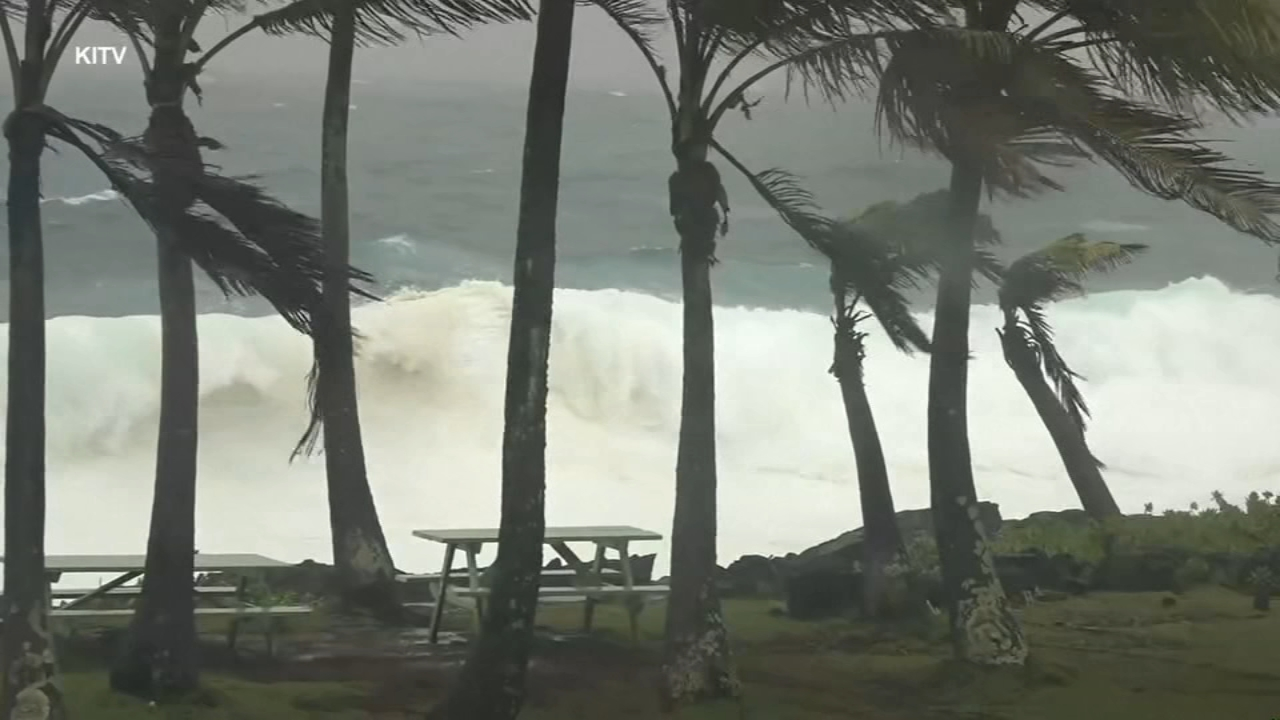
HONOLULU — Category 1 Hurricane Lala has knocked out electricity to nearly 90,000 customers, killed at least one person, and triggered widespread flash flood emergencies across Hawaii. While the eye of the “enormous storm” tightly skirted the southern coast of the Big Island without making a full structural landfall, its intense eyewall continues to whip the islands with life-threatening conditions.
Governor Josh Green confirmed that the storm’s ferocious brush with the South Point area resulted in a fatal car accident. Up to 19 roofs have been entirely ripped from homes, and 190 commercial flights have been grounded across the state. “You definitely want to be home, do not be out on the roads,” Governor Green warned in an emergency address to the public, as local emergency networks remain on high alert.
A Historically Rare Threat Fueled by El Niño
Severe storms are a regular fixture of Hawaiian weather, but actual hurricanes approaching the island chain are exceptionally rare. A direct landfall on the Big Island would have marked a 155-year historical anomaly.
Forecasters note that storms moving toward Hawaii typically disintegrate over cooler northern waters. However, Hurricane Lala has managed to maintain its punch due to an exceptionally warm marine heatwave fueled by a powerful, developing El Niño system in the central Pacific Ocean. The unusually high ocean temperatures have essentially acted as high-octane fuel for the cyclone, allowing its sustained winds to peak at a fierce 91 mph.
Raging Rivers and Shredded Grids
The structural toll on the Big Island’s infrastructure has been swift and severe:
- The Mudslide Menace: The National Hurricane Center issued urgent warnings that the storm could dump between 20 to 25 inches of rain on mountainous terrain, creating an extreme risk of catastrophic mudslides for families living in steep, off-the-grid areas.
- A Bleeding Coastline: Local residents reported that the usually pristine blue waters of the coastal bays have turned a deep blood-red due to massive amounts of brown sediment and dirt washing down from swollen rivers.
- A 42-Mile Blackout: Wind gusts knocked down heavy trees and crumpled utility poles along a massive 42-mile stretch of transmission lines on the Hamakua coast, leaving more than 32% of the Big Island entirely in the dark.
Utility teams at Hawaiian Electric warned that because conditions remain highly perilous, residents in affected zones must prepare for extended, multi-day power outages.
The Islands Under Watch
Tropical storm warnings remain active for the neighboring islands of Maui, Molokai, Lanai, Oahu, and Kauai as Lala slowly grinds its way westward across the Pacific. In Honolulu, coastal spots are being hit by massive 30-foot ocean swells, drawing daredevil surfers to the beaches despite stern warnings from local police.
Emergency management agencies have opened public shelters across every corner of the Big Island, urging citizens to stay inside, clear neighborhood drains, and wait out the relentless deluge. With the storm projected to continue its damp, windy track south of the archipelago, Hawaii is bracing for a long, muddy road to recovery.