
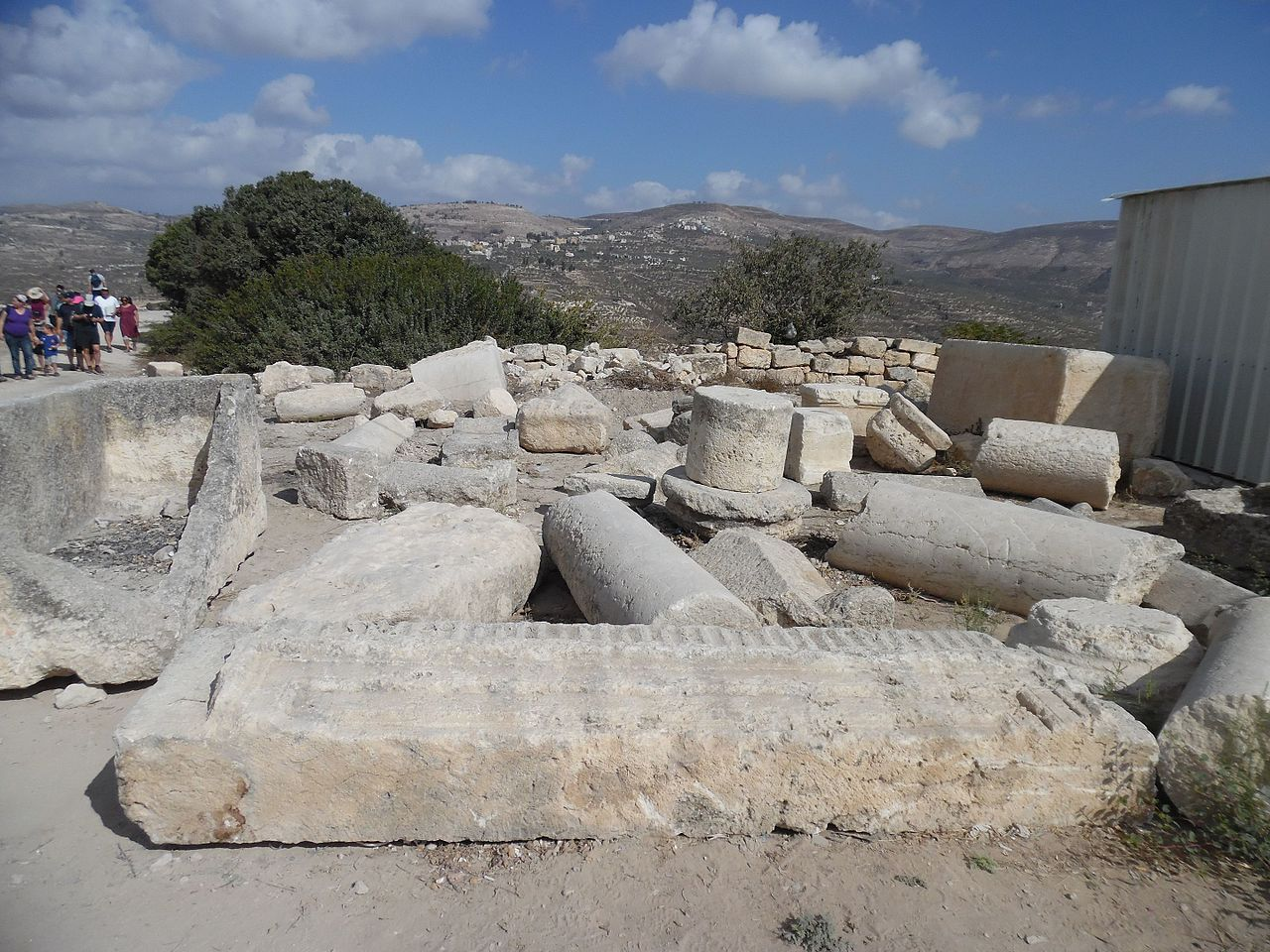
SEBASTIA, Occupied West Bank — A fierce battle over the ancient past is reshaping the map of the occupied West Bank. Israel faces mounting accusations from Palestinian officials, international preservationists, and rights groups of weaponizing archaeology as a tool for territorial expansion and gradual annexation. The political storm has intensified following a series of aggressive state-backed funding allocations designed to seize and rebrand historical landmarks across the territory.
Just days ago, Israeli Finance Minister Bezalel Smotrich approved an additional 113 million shekels ($37 million) to expand control over more than 70 historical sites. This emergency funding builds upon a massive 250 million shekels ($83 million) master plan enacted in May. The stated goal of the Israeli cabinet is to strengthen the connection to Jewish heritage sites, but critics argue the true objective is to uproot Palestinian communities and systematically choke off their access to their own ancestral land.
The Fight for the Ruins of Sebastia
The primary flashpoint of this heritage war is Sebastia, a small Palestinian hamlet near Nablus enmeshed with an extraordinary archaeological treasure. Boasting ruins from the Roman, Byzantine, Crusader, and Ottoman empires, Sebastia also contains remains linked to the 9th-century BC Iron Age capital of the ancient kingdom of Israel.
Israeli authorities have issued formal seizure notices to expropriate roughly 450 acres of privately owned Palestinian land encircling the ruins. The government plans to convert the area into the state-managed “Samaria” national park. Palestinian landowners, who have cultivated olive groves in these hills for generations, are suddenly barred from plowing or entering their fields.
The escalation has drawn sharp international alarm. UNESCO recently placed Sebastia on its World Heritage List and the List of World Heritage in Danger, explicitly warning that the planned creation of the national park risks dividing the property and fracturing its historical integrity. Local businesses face demolition as Israeli planners work to shift the main tourist entrance away from the Palestinian village, severing the local economy from the site.
Rewriting History Through the Lens of State Security
Palestinian residents and independent researchers allege that Israel is aggressively filtering the region’s vast multi-layered history to emphasize a singular biblical narrative. By declaring hundreds of hectares as sites of exclusive “archaeological significance to Israelis,” the state establishes a legal pretext to impose full administrative dominance.
- The Erasure of Presence: In towns like Sebastia, local authorities have been barred by the military from cleaning or rehabilitating the ancient ruins.
- Touristic Settlements: Activists argue these projects operate as “touristic settlements” run by ideological settler organizations, creating hard borders on the ground under the guise of park management.
- Legislative Expansion: Israel’s Heritage Ministry has steadily expanded its jurisdiction over private Palestinian lands, overriding local municipal councils to grant settlement bodies the authority to manage excavations.
A Defiant Defense vs. Allegations of Annexation
Israeli officials and heritage advocates fiercely reject the idea that antiquities are being used as a political weapon. Israeli Heritage Minister Amihai Eliyahu has repeatedly claimed that the interventions are a matter of legal and cultural necessity. Authorities argue that the Palestinian Authority has failed to protect the territory’s rich archaeological record, accusing local residents of neglect and failing to prevent widespread antiquity looting.
However, independent Israeli human rights organizations, such as Emek Shaveh, echo Palestinian fears. They warn that using archaeology to grab land creates a dangerous precedent where ancient history is weaponized to erase modern human rights. By replacing civilian infrastructure with military-guarded national parks, Israel is establishing irreversible facts on the ground. As the funding pours in and more sites are sealed away, the ancient stones of the West Bank are no longer just window to the past—they are the trenches of an ongoing territorial conflict.