
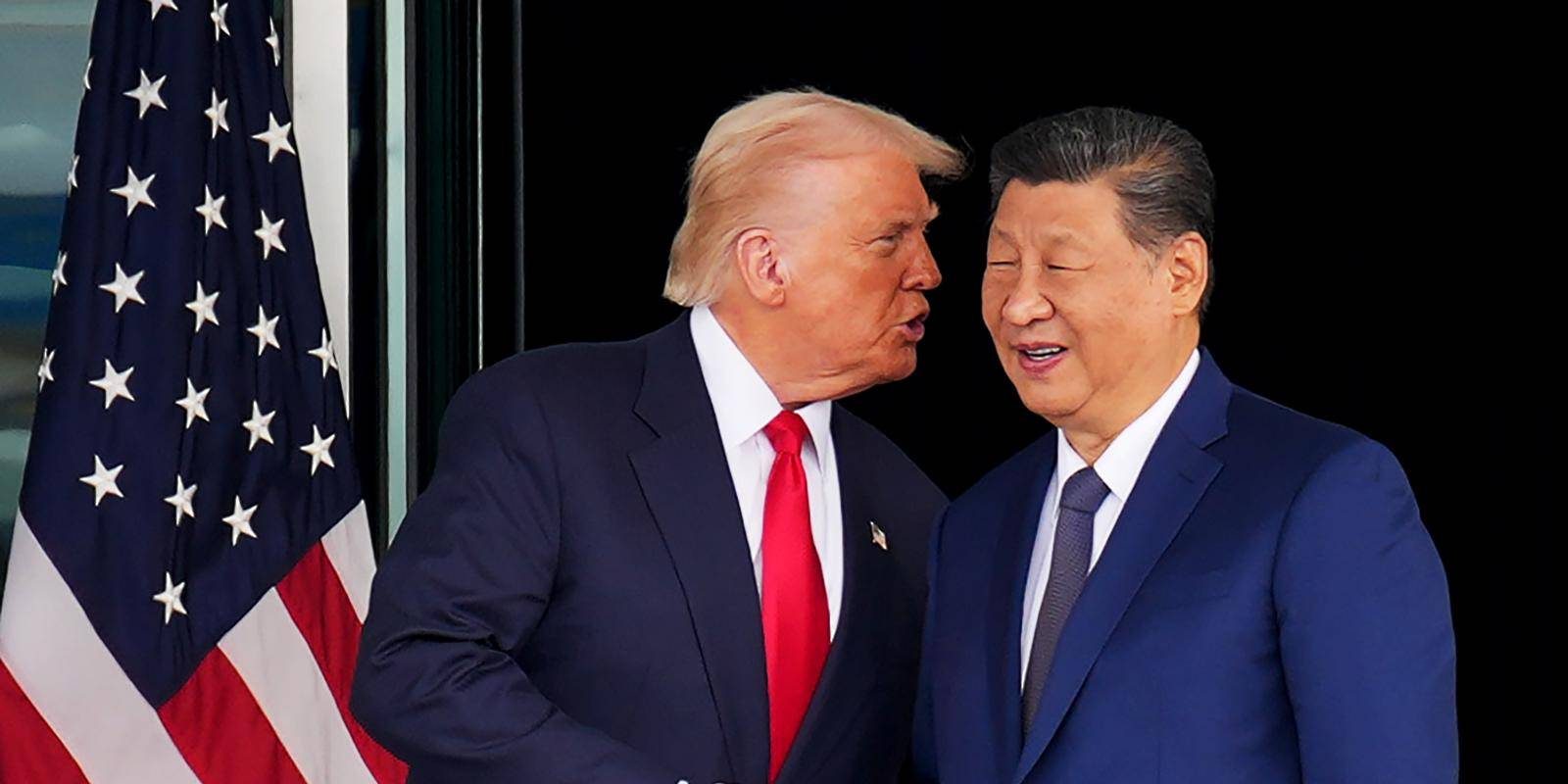
In a stunning realignment of American geopolitical rhetoric, President Donald Trump has issued an explicit warning to Taiwan against formally declaring independence, coming just hours after concluding a high-stakes bilateral summit with Chinese President Xi Jinping. The President’s remarks, delivered as he wrapped up a two-day state visit to Beijing, signal an aggressive push by Washington to preserve the cross-strait status quo at all costs, while openly questioning America’s appetite for a distant military conflict.
“I’m Not Looking to Have Somebody Go Independent”
Speaking to Fox News shortly before departing the Chinese capital, Trump confirmed that the self-governing island dominated his intense discussions with Xi. Reaffirming a transactional and lenses on global security, the President made it clear that Taipei should not expect a blank check from his administration.
“I’m not looking to have somebody go independent,” Trump said. “We’re not looking to have wars, and if you kept it the way it is, I think China’s going to be OK with that. But we’re not looking to have somebody say, ‘Let’s go independent because the United States is backing us’.”
The President then added a blunt logistical calculation that reverberated through diplomatic channels across Asia: “You know, we’re supposed to travel 9,500 miles to fight a war. I’m not looking for that. I want them to cool down. I want China to cool down.”
Xi’s “Red Line” and the Fate of Arms Sales
The public shift follows a stern, direct message from President Xi during the summit. According to official Chinese readouts, Xi pressed the American president heavily, warning that Taiwan remains China’s ultimate “red line” and that missteps on the sensitive issue could push the two nuclear-armed superpowers into an outright “collision” or conflict.
The friction has immediate, material consequences. Before flying out, Trump revealed he is withholding final approval on a previously announced $11 billion arms package destined for Taiwan—which includes advanced rocket launchers and missiles.
“I’ll make a determination over the next fairly short period of time,” Trump told reporters, breaking with decades of Washington precedent by admitting he discussed the specific arms package “in great detail” with the Chinese leader before making a decision. He added that he intends to speak directly to the leadership in Taipei, a move that could spark its own diplomatic firestorm with Beijing.
Taipei Defies the Narrative
In Taipei, the reaction was a mixture of strategic damage control and quiet defiance. Following the remarks, the Taiwanese Presidential Office and Foreign Ministry pointed to concurrent statements from State Department officials, who assured allies that Washington’s core legal commitments remain intact.
However, Taiwan also pushed back directly against the phrasing. A spokesperson noted that Taiwan already functions as a fully sovereign, democratic state, rendering a formal declaration of independence entirely unnecessary.
Local officials reminded the White House that arms sales have always been a cornerstone of regional peace and stability, and are legally tied to long-standing U.S. domestic frameworks.
Strategic Ambiguity Evaporates
While the United States has officially maintained a policy of “One China” and stopped short of supporting formal Taiwanese independence for over half a century, American presidents have traditionally used “strategic ambiguity” to leave Beijing guessing whether U.S. forces would intervene in an invasion.
By openly balking at the 9,500-mile transit to fight a war and pausing weapon shipments, Trump has replaced calculated ambiguity with transactional certainty. In his bid to stabilize ties with Beijing and avoid a second global conflict alongside his ongoing regional standoffs, the President may have just redrawn the geopolitical map of the Pacific.