
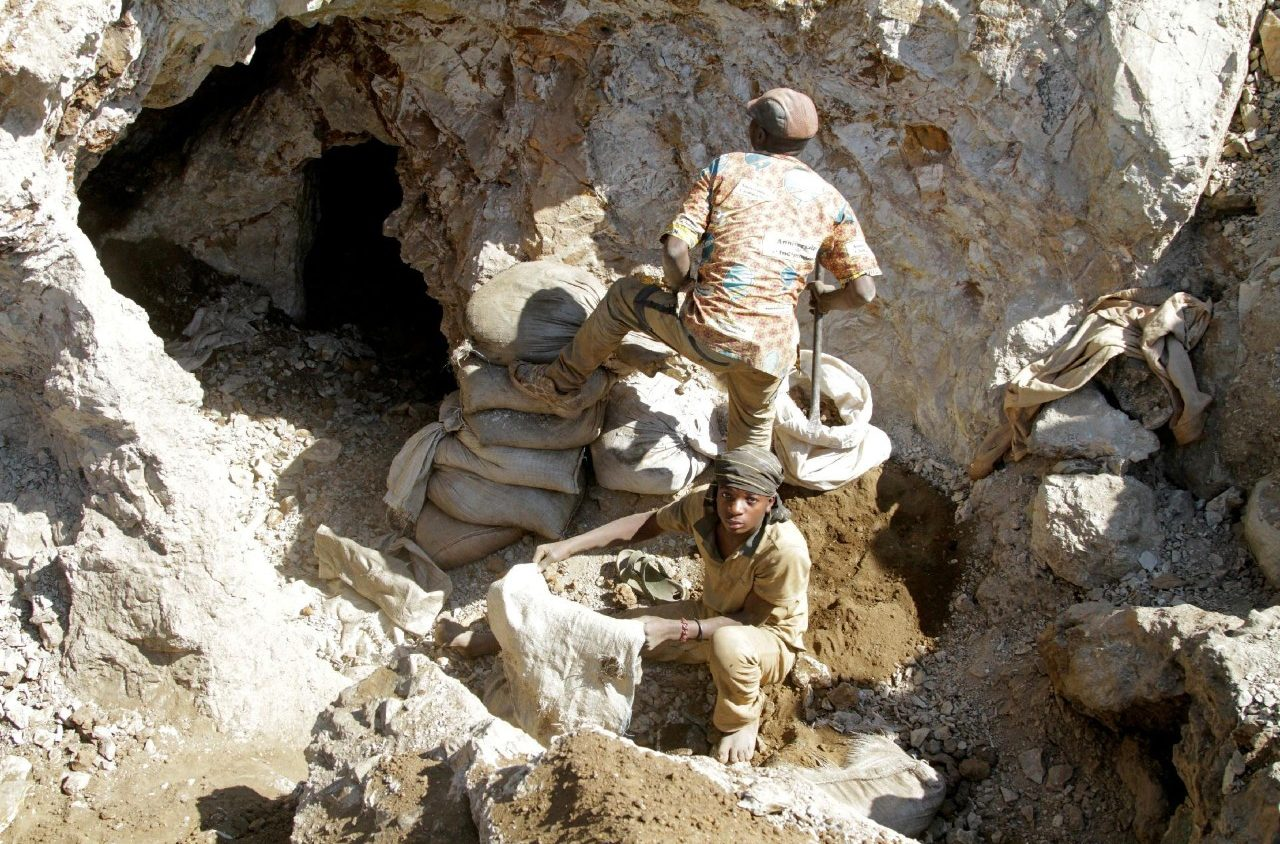
RUBAYA, DR CONGO — The global hunger for high-tech electronics has claimed its latest and most devastating toll in the red mud of eastern Democratic Republic of Congo.
On Wednesday, a massive landslide triggered by torrential seasonal rains tore through the Luwowo coltan mine in Rubaya, burying more than 200 people beneath hundreds of tons of earth. By Sunday morning, rebel authorities in the North Kivu region confirmed the death toll has reached at least 227, with dozens more still missing and feared dead in the “fragile” soil.
The disaster occurred at a site that provides approximately 15% of the world’s coltan—the metallic ore refined into tantalum, a vital component in every smartphone, laptop, and aerospace engine on the planet.
A Mountain of Mud
Witnesses describe a scene of sudden, absolute catastrophe. At approximately 9:00 a.m. on Wednesday, several parallel mining shafts, dug by hand and lacking any modern structural support, gave way simultaneously.
Because the site is an “artisanal” mine—where locals dig manually for a few dollars a day—there were no safety perimeters or early warning systems. The victims include:
- Artisanal Miners: Young men digging in deep, narrow tunnels.
- Women and Children: Many were sifting through tailings or working in makeshift markets near the pit’s edge when the ground vanished.
- Market Vendors: Residents who had built shelters and stalls directly adjacent to the excavation sites.
“For now, there are more than 200 dead, some of whom are still in the mud,” said Lumumba Kambere Muyisa, a spokesperson for the rebel-appointed governor. “The ground was fragile. It simply gave way while the victims were in the hole.”
The Rebel Economy
The Rubaya mines have been under the control of the M23 rebel group (the AFC/M23 alliance) since early 2024. International observers and the United Nations have long accused the Rwanda-backed militia of “plundering” the region’s mineral wealth to fund its ongoing insurgency against the government in Kinshasa.
The tragedy has highlighted a total governance vacuum. Former supervisors at the site told the BBC that under rebel control, maintenance has ceased and safety inspections are non-existent. The UN estimates that the M23 generates at least $800,000 a month by taxing the trade and transport of coltan from these very pits.
The Global Supply Chain Shock
The collapse isn’t just a local tragedy; it is a systemic failure of the global tech supply chain. Rubaya holds half of the DR Congo’s coltan deposits, and the sudden cessation of mining there—ordered by the rebel governor on Friday—is expected to send ripples through the electronics industry.
| Statistic | Impact / Detail |
| Confirmed Dead | 227 (and rising) |
| Survivors Hospitalized | ~20 in Goma and Rubaya |
| Global Coltan Supply | Rubaya accounts for ~15% of world production |
| Primary Use | Tantalum capacitors for smartphones and computers |
A Funeral in the Rain
As search teams and relatives continue to dig through the sludge with bare hands and shovels, the air in Rubaya is thick with grief. For many, like the cousin of a “courageous and ambitious” young man buried in the slide, the disaster is the final blow in a region already decimated by decades of conflict.
“I didn’t believe he was dead because investigations were still ongoing,” one mourner told the BBC. “His body wasn’t found after the accident… but some hours later, it was discovered.”
As the rain continues to fall over North Kivu, the “red gold” of Rubaya remains buried, alongside the hundreds of people who died trying to extract it for a world that rarely looks beneath the screen.