
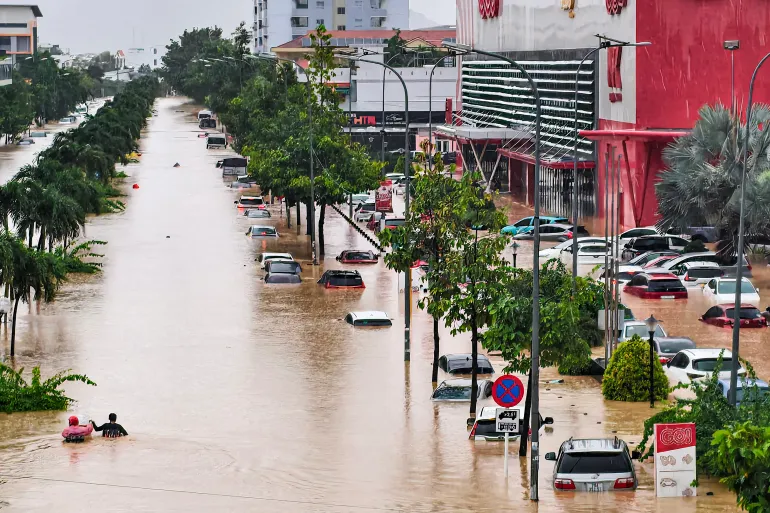
NHA TRANG, VIETNAM—The death toll from relentless and historically severe flooding across central Vietnam has climbed to at least 43 people, with nine others missing, as a multi-week onslaught of extreme rainfall continues to devastate the region’s densely populated coastal cities and crucial coffee-growing highlands.
Emergency teams, backed by the military, are racing to pluck stranded residents from rooftops and evacuate tens of thousands of people from inundated communities, where water levels in major rivers have surpassed records set decades ago.
The Anatomy of a Crisis
The crisis, which began in late October and intensified sharply over the past week, has been fueled by significantly above-average rainfall—with some areas reporting nearly 70 inches of rain since Sunday. The flooding has impacted six provinces, with the central coastal province of Khanh Hoa and the coffee-producing highlands of Dak Lak bearing the brunt of the destruction.
- Human Toll: As of Friday, authorities confirmed 43 fatalities, with Dak Lak and Khanh Hoa provinces accounting for the majority of deaths. More than 67,700 homes have been inundated, forcing the urgent relocation of approximately 61,000 residents. Many who could not be evacuated were forced onto their rooftops for days, waiting for rescue.
- Economic Devastation: The agricultural sector has been crippled, with floodwaters destroying over 13,000 hectares of rice, flowers, and vegetable crops. The delay in harvesting in Dak Lak, the world’s top producer of robusta beans, risks denting the global coffee market. Preliminary economic damages are estimated at over $114 million.
- Infrastructure Collapse: Major arteries, including sections of National Highway 1A, remain blocked due to landslides and surging waters, paralyzing transport across the region. Over half a million households and businesses have been left without power, compounding the humanitarian challenge.
Tourism Hotspots Underwater
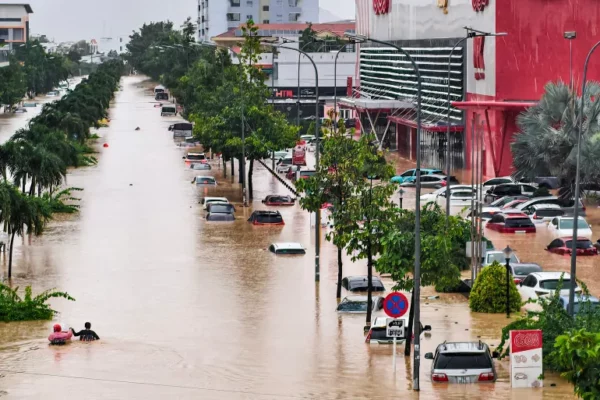
Even popular tourist destinations have not been spared. Floodwaters have engulfed whole city blocks in the coastal resort city of Nha Trang, stranding hundreds of cars and submerging the ground floors of hotels and businesses. Reports indicate that doctors and patients at one isolated hospital survived for three days on instant noodles and water until rescuers could reach them.
The disaster’s intensity is tied to a combination of climate factors, including an active La Niña weather pattern. Experts warn that human-driven climate change is making such extreme, destructive weather events more frequent. Vietnam has been hit by at least 13 major storms this year, with total damages already exceeding $2 billion between January and October.
The government has mobilized the army and police, with Deputy Prime Minister Ho Quoc Dung ordering provincial leaders to utilize all security forces to “promptly relocate and evacuate people” to safe areas as forecasters warn that heavy rains are expected to continue through the weekend.