
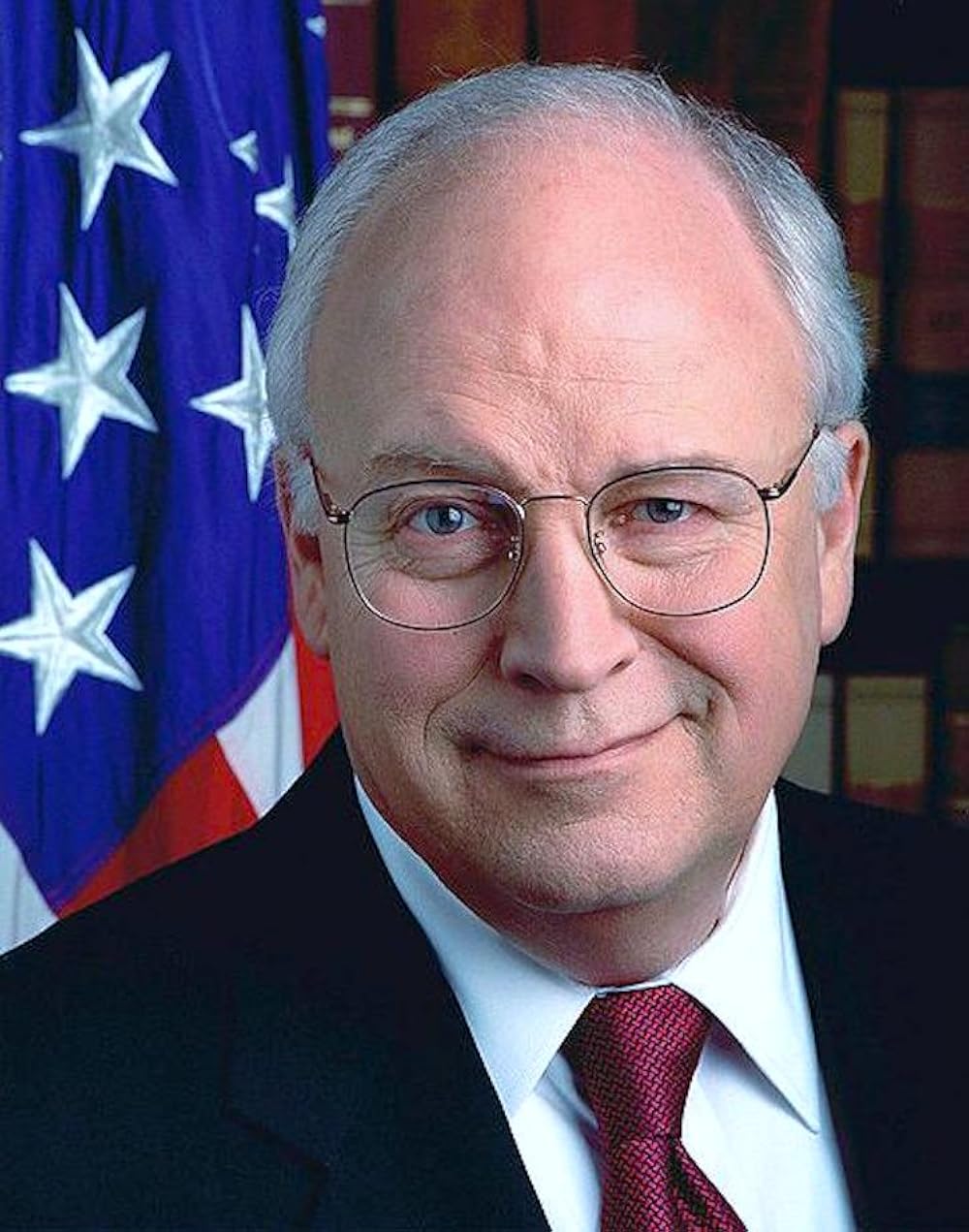
Richard “Dick” Bruce Cheney, the hard-charging conservative who recast the American vice presidency into a powerful engine of executive authority and became the chief architect of the post-9/11 “War on Terror,” died Monday night at the age of 84.
The cause of death was confirmed by his family in a statement released Tuesday, citing complications from pneumonia and cardiac and vascular disease. Cheney’s passing brings to a close a formidable political career that spanned five presidencies and left an indelible, highly controversial imprint on U.S. foreign policy and the scope of presidential power.
The Power Behind the Throne
Cheney served as the 46th Vice President from 2001 to 2009 under President George W. Bush, a tenure widely regarded by historians as the most influential in the office’s history. A Washington veteran whose resume included roles as White House Chief of Staff, Secretary of Defense, and a six-term Wyoming Congressman, Cheney wielded his institutional knowledge and unwavering conservative convictions to dominate national security strategy.
Following the September 11, 2001, terrorist attacks, Cheney became the primary strategist pushing for the invasion of Iraq, arguing for links between Saddam Hussein and Al-Qaeda that later proved to be unfounded.
His legacy is inextricably tied to the decisions made in the wake of 9/11:
- The Iraq War: He was the most vocal advocate for the 2003 invasion, maintaining his conviction that the war was “the right thing to do” even as the conflict dragged on and WMDs were never found.
- Expanded Executive Power: Cheney championed a dramatic expansion of presidential authority, working in secrecy to circumvent or reinterpret legal prohibitions regarding surveillance, detention, and the use of “enhanced interrogation techniques”—which critics condemned as state-sanctioned torture.
- The ‘Dark Side’: He famously said the U.S. needed to “work the dark side” in fighting terrorism, a phrase that encapsulated his utilitarian approach to national security.
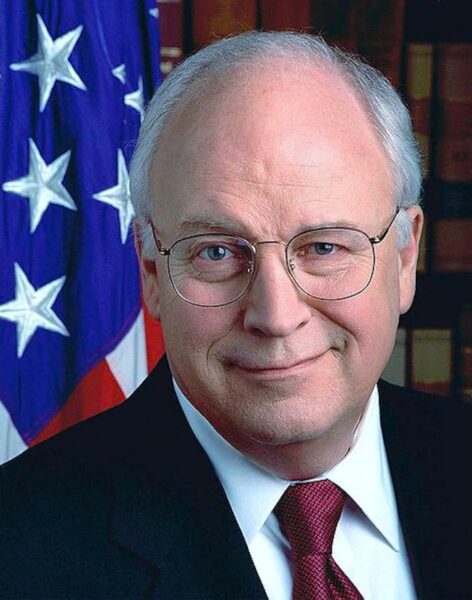
A Life Shadowed by Health Battles
Cheney’s political longevity was a triumph over decades of profound health challenges. He suffered the first of five heart attacks at age 37, followed by a quadruple bypass, and the implantation of a defibrillator during his first term as Vice President. In 2012, four years after leaving office, he underwent a successful heart transplant, a procedure he later credited with giving him a “new lease on life.”
His final years were marked by a late-life political chapter where he became one of the most vociferous Republican critics of President Donald Trump, warning that Trump represented “the greatest threat to our republic.”
Former President George W. Bush led the tributes, stating he would remember Cheney as a “decent, honorable man” and a “calm and steady presence in the White House amid great national challenges.”
However, his passing immediately reignited the intense debate over the morality and consequences of his tenure, particularly the human cost of the wars he championed. For admirers, he was a patriot of unflinching resolve; for critics, he remains the symbol of a secretive, unaccountable pursuit of power.
The family stated that “History will remember him as among the finest public servants of his generation,” adding that he was surrounded by his wife, Lynne, and daughters, Liz and Mary, at the time of his death.