
Millions of YouTube TV subscribers woke up to a screen full of static this morning, confirming one of the most significant blackouts in the history of live TV streaming. The Walt Disney Company officially pulled its massive portfolio of channels, including ESPN and local ABC stations, from Google’s YouTube TV platform after the two giants failed to reach a new distribution agreement by the midnight deadline.
The core of the dispute is a classic media standoff: carriage fees. Disney demands a rate it deems “fair” for its valuable content, while YouTube TV argues that Disney’s proposed terms would force them to significantly raise prices for consumers and grant Disney preferential treatment over its competitors.
The Content Casualty List
The blackout, which commenced late Thursday, leaves YouTube TV’s estimated 9 million subscribers without access to over 20 channels. The timing is particularly painful for sports fans, who are now locked out of key weekend coverage.
The major channels affected include:
- Sports: ESPN, ESPN2, ESPNU, ESPNews, ACC Network, SEC Network.
- Broadcast/News: Local ABC stations, ABC News Live.
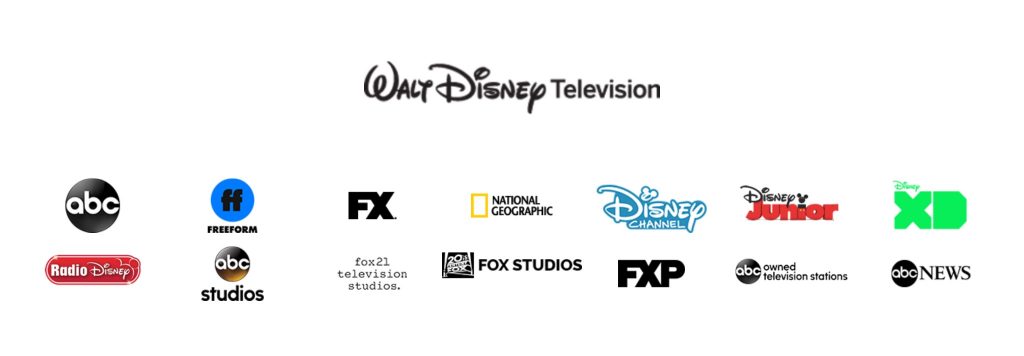
- Entertainment/Kids: Disney Channel, Disney Junior, Disney XD, FX, FXX, FXM, Freeform, National Geographic, Nat Geo Wild.
Trading Blows: Disney vs. Google
Both corporations wasted no time in issuing public statements, each casting the other as the villain in this high-stakes negotiation.
Disney’s Stance: Refusing to Pay ‘Fair Rates’ Disney accused Google’s YouTube TV of “choosing to deny their subscribers the content they value most by refusing to pay fair rates.” The entertainment behemoth argued that Google is attempting to “undercut the industry-standard terms” that Disney has successfully negotiated with every other distributor. In their view, their content—particularly the exclusive live sports programming on ESPN—is a powerful growth engine for the YouTube TV platform, a value that should be reflected in the fees.
YouTube TV’s Response: Protecting Consumers from Price Hikes YouTube TV shot back, calling Disney’s move a “negotiating tactic” that “directly harms our subscribers while benefiting their own live TV products,” like Disney-owned Hulu + Live TV. They asserted that Disney was proposing “costly economic terms” that would inevitably raise the cost of the base subscription plan, currently $82.99 per month.
“$20 Credit: YouTube TV has promised subscribers a $20 credit if the Disney channels remain off the platform for an extended period of time.”
The Streamer Wars: Consumers Caught in the Crossfire
This latest carriage dispute highlights the escalating tensions and shifting dynamics of the streaming wars. Disney, a content giant that also owns competing services, has a clear incentive to drive viewers toward its own platforms. YouTube TV, meanwhile, is determined to keep its costs manageable to maintain a competitive price point in the crowded live TV market.
The standoff comes on the heels of similar, yet resolved, disputes this year between YouTube TV and other major media groups like NBCUniversal, Fox, and Paramount. However, the sheer size and importance of the Disney package, especially its unrivaled sports content, make this blackout the most disruptive yet. For millions of subscribers, the short-term reality is a dramatically reduced channel lineup and the frustrating realization that cord-cutting hasn’t eliminated the power struggles of the old media world—it’s just moved them online.