
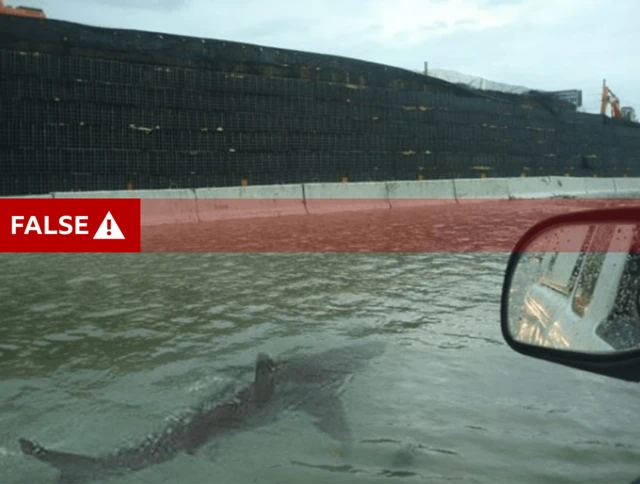
As massive storms like Hurricane Melissa and previous tempests rage across the globe, a new and dangerous threat is rising in the flooded streets of the internet: synthetic misinformation. Viral social media feeds are being clogged by highly realistic, yet entirely fabricated, videos and images, with the infamous “shark swimming in a flooded street” video now being mass-produced by generative AI models like Sora.
These AI-generated deepfakes and recycled old footage are not just an annoyance; they are actively hindering disaster response efforts and creating a “fog of disaster” that confuses the public and exploits the vulnerable.
🌊 The Viral Threat of the Fabricated Shark
The “shark in the street” trope, which traditionally surfaced as a widely-shared, poorly-verified video during real flooding events, has been weaponized by advanced AI. What was once a grainy, debatable clip is now a flood of high-definition, convincing footage.
- AI-Generated Propaganda: Recent hurricanes have seen a massive surge in AI-generated content. These videos often feature sensational, heartbreaking, or unbelievable scenarios—from children stranded in floodwaters to, yes, sharks swimming in residential streets.
- A Diverting Distraction: During Hurricane Melissa, dozens of fakes, many bearing AI model watermarks, surfaced. This barrage of false information, including fabricated dramatic newscasts and stereotypical scenes, diverts attention from the official, critical safety messages issued by agencies like the Office of Disaster Preparedness and Emergency Management (ODPEM).
- Exploiting Vulnerability: Beyond sensationalism, deepfakes are being used in sophisticated scams. Cybercriminals impersonate FEMA and other relief organizations, using the distressing, fake visuals to lend credibility to their phishing attacks, aiming to steal money or personal information from storm victims desperately seeking aid.
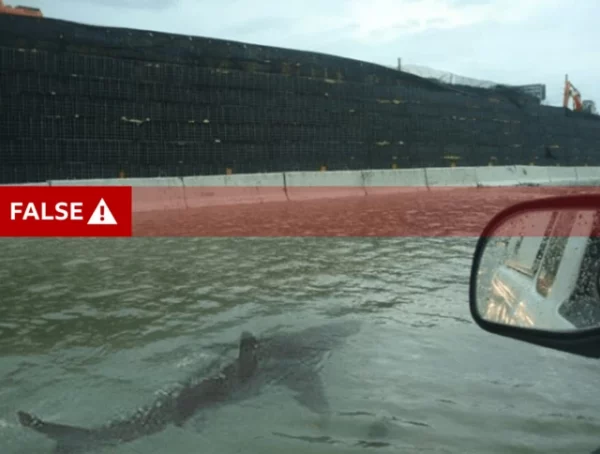
🚨 Recognizing the Digital Debris: Tips to Spot a Deepfake
Emergency management officials and technology experts are urging the public to be extremely vigilant and rely only on official, verified sources of information. The following tips can help users navigate the minefield of visual misinformation:
| Indicator | What to Look For |
| Source Credibility | Does the content come from an official government, police, or verified news outlet? Do not trust unverified accounts or forwarded messages on WhatsApp/SMS. |
| Context Clues | Check the footage for elements that seem out of place. Do the surroundings match other confirmed images of the location? Are there noticeable inconsistencies in the water, lighting, or motion? |
| Reverse Search | Use search engines to find other angles or check the video against known fact-checking resources. Adding the phrase “fact check” to your query is often the fastest way to debunk misleading content. |
| Sensationalism | The most dramatic or emotionally manipulative images, such as a solitary crying child or the infamous shark, are the most likely to be fabricated or recycled old footage. |
The blending of crisis and synthetic media has ushered in a new era of digital deception. As AI technology continues to advance, the responsibility falls increasingly to the public to pause, think critically, and verify before sharing, ensuring that true emergency information is not drowned out by a hurricane of deepfakes.