
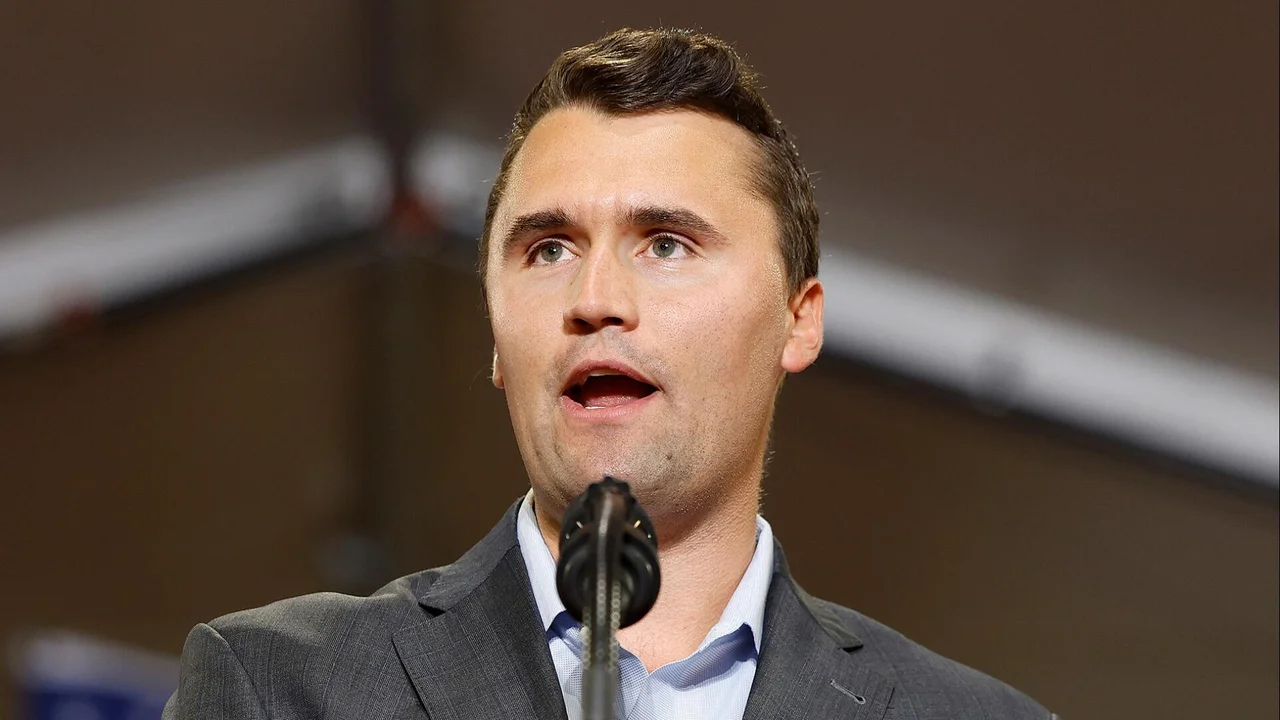
In an unprecedented move that is sending shockwaves through international diplomatic and civil liberties circles, the US State Department has announced the revocation of visas for at least six foreign nationals, citing their “derisive” or “celebratory” comments on social media following the assassination of conservative activist Charlie Kirk.
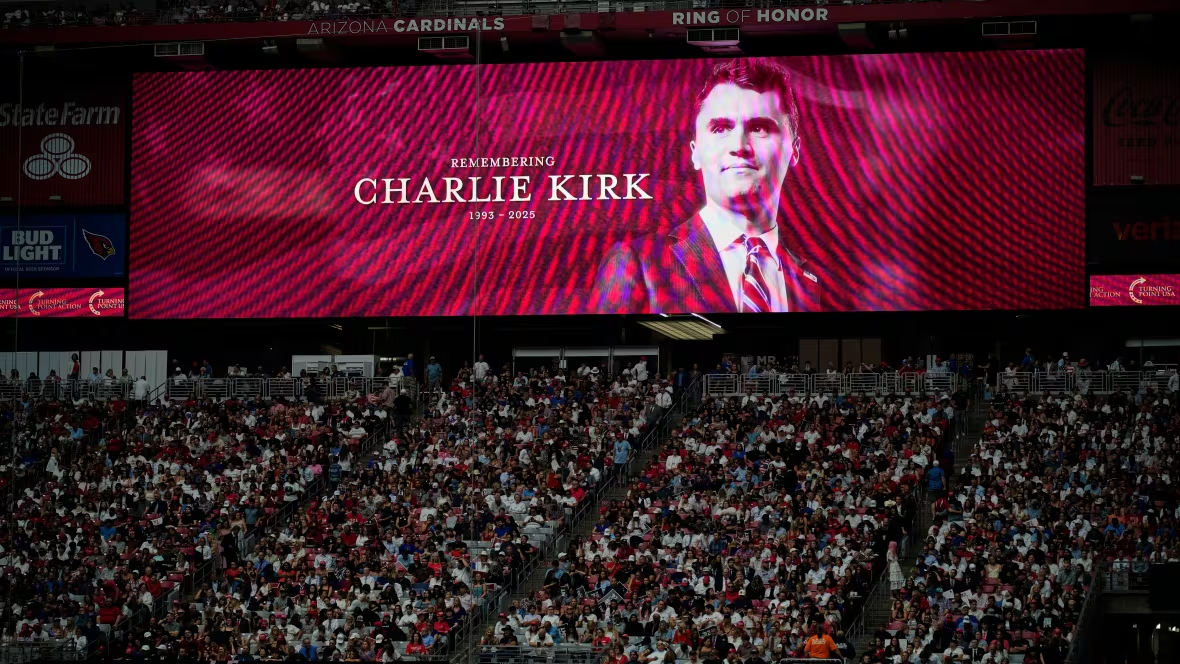
The action, revealed late Tuesday—coinciding with what would have been Kirk’s 32nd birthday and the day President Donald Trump posthumously awarded him the Presidential Medal of Freedom—escalates the administration’s aggressive crackdown on speech deemed disrespectful or hateful toward the slain figure.
‘No Obligation to Host’
In a blunt statement posted on X, the State Department declared that the United States has “no obligation to host foreigners who wish death on Americans” and warned that “Aliens who take advantage of America’s hospitality while celebrating the assassination of our citizens will be removed.”
The department then publicly cataloged screenshots of posts made by individuals identified only by their nationality—from Argentina, Brazil, Germany, Mexico, Paraguay, and South Africa—detailing the content that led to the revocations. Examples included an Argentine national who allegedly said Kirk “deserves to burn in hell” and a German national whose comment translated to, “when fascists die, democrats don’t complain.”
The move marks the most visible step yet in a campaign initiated just hours after Kirk’s death in September, when Deputy Secretary of State Christopher Landau instructed consular officials to begin monitoring social media for posts “praising, rationalizing, or making light of the event,” and inviting the public to report such comments.
Free Speech Concerns Clash with Government Authority
The revocations have instantly ignited a fierce debate over the limits of free speech and the government’s power to penalize foreigners for expression made outside of the US. While the First Amendment primarily restricts government censorship of speech within the country, legal experts are divided on whether this standard applies fully to visa holders whose residency is a privilege, not a right.
Critics, including former State Department legal advisers, have condemned the action as a “First Amendment violation” in principle and an act of political retaliation. “This goes against all the values that one has known about America,” stated Nhlamulo Baloyi, a South African national whose business visa was revoked, confirming his identity to The Washington Post after seeing his post displayed online by the State Department.
The US government, however, is standing firm. Secretary of State Marco Rubio and other administration figures have framed the action as a matter of national security and cultural defense.
The Wider Reprisal
The visa revocations are part of a broader, chilling wave of reprisals across the US in the aftermath of Kirk’s assassination. Hundreds of individuals, including professors, journalists, and Defense Department employees, have faced termination, suspension, or investigation for making critical or flippant comments online about the conservative firebrand.
The decision to target foreigners now signals an expansion of this punitive campaign beyond domestic workplaces, effectively establishing a new ideological boundary for entry into the United States—one where critical political speech against a figures deemed a “martyr” can be grounds for expulsion or denial of access.
As the White House formally canonizes Charlie Kirk’s legacy, the State Department’s “Digital Purge” is setting a perilous precedent, transforming the monitoring of global political sentiment into a new tool of US immigration and foreign policy. The ultimate question now rests on whether this administrative power grab will withstand legal challenge, or if a global chilling effect on political commentary is here to stay.