
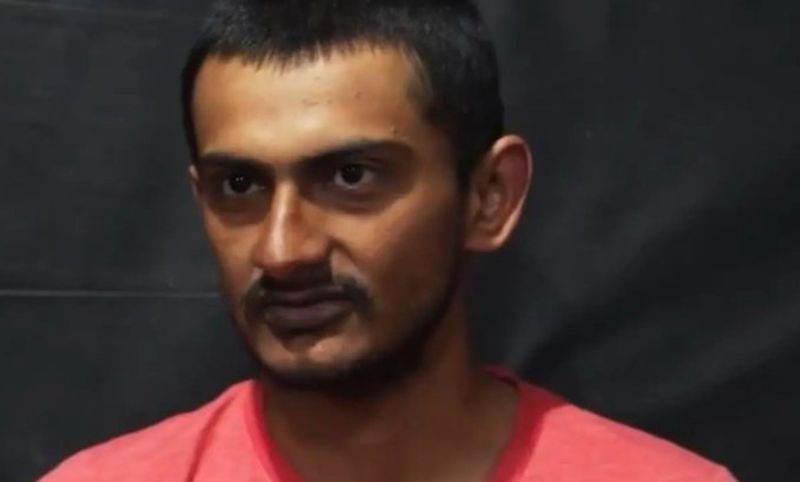
NEW DELHI/KYIV – The humanitarian crisis of foreign nationals being coerced into the Russian military has taken a dramatic turn with the capture of an Indian student in Ukraine, whose mother claims he was forced to choose between a drug conviction and the battlefield.
Majoti Sahil Mohamed Hussein, a 22-year-old student from Morbi, Gujarat, surrendered to Ukraine’s 63rd Mechanised Brigade after just 16 days of training and a mere three days on the frontline. In a video released by the Ukrainian forces, Hussein is seen recounting a desperate choice: he was facing a potential seven-year sentence in a Russian prison on drug-related charges when he was offered a deal that led him directly into the heart of the war.
The Devil’s Bargain
The captured national’s story paints a chilling picture of Russia’s recruitment tactics among desperate foreign residents. Hussein claims he traveled to Russia for higher education but was later arrested on a drug charge, reportedly linked to his work as an online delivery person.
In the Ukrainian video, Hussein states: “I didn’t want to stay in prison, so I signed a contract for the ‘special military operation.’ But I wanted to get out of there. I was promised a lot of money, but I didn’t get anything.”
The choice, according to his own account and confirmed by family sources, was a grim one: serve out a long prison term or sign a year-long military contract that promised freedom and a salary that never materialized.
Hussein’s mother, speaking to reporters from her home in Gujarat, confirmed the family’s understanding of the situation. While denying her son was a drug user, she acknowledged the legal predicament that drove him to the military. “He went abroad for studies,” a relative said, appealing to the Indian government. “We had no idea about any of this. He was trapped by Russian authorities. We just want him brought back safely.”
Surrender on the Frontline
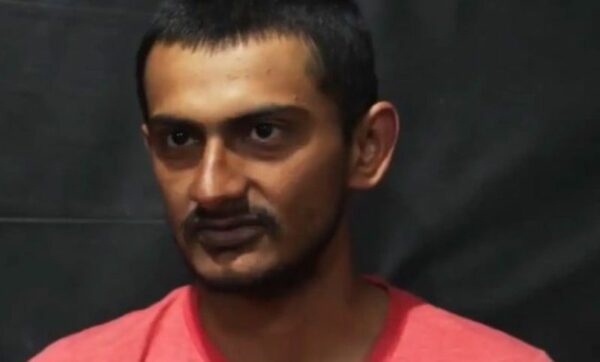
Hussein’s account of his time in combat is brief but harrowing. After what he described as a minimal, 16-day training period, he was deployed near the front line. After only three days under fire, he claims a conflict with his commander drove him to an extreme act of desperation.
“I came across a Ukrainian trench position about two or three kilometers away. I immediately put down my rifle and said that I didn’t want to fight. I needed help,” he is quoted as saying. He added a final, startling plea: “I don’t want to go back to Russia. There is no truth there, nothing. I’d rather go to prison here [in Ukraine].”
A Diplomatic and Ethical Nightmare
The case of Majoti Sahil Mohamed Hussein is not an isolated one, but the most stark evidence yet of a broader crisis. India’s Ministry of External Affairs has been increasingly vocal about its citizens being coerced or misled into joining the Russian military, with at least 27 Indian nationals known to be serving in Russian units. Several have already been killed in combat.
The episode now presents a significant diplomatic headache for New Delhi, which has maintained a delicate, neutral position on the conflict. The Indian Embassy in Kyiv is now working to verify the claims, as the mother’s desperate appeal forces the Indian government to confront the moral and legal complexities of its citizens being used as cannon fodder in a war far from their homes.
Hussein’s story is a chilling indictment of a recruitment pipeline that preys on the vulnerable, replacing a prison cell with a foxhole and turning a foreign student’s dream into a nightmare of geopolitical coercion. His fate now lies in the hands of international law and a conflict that continues to draw in the world’s desperate.