
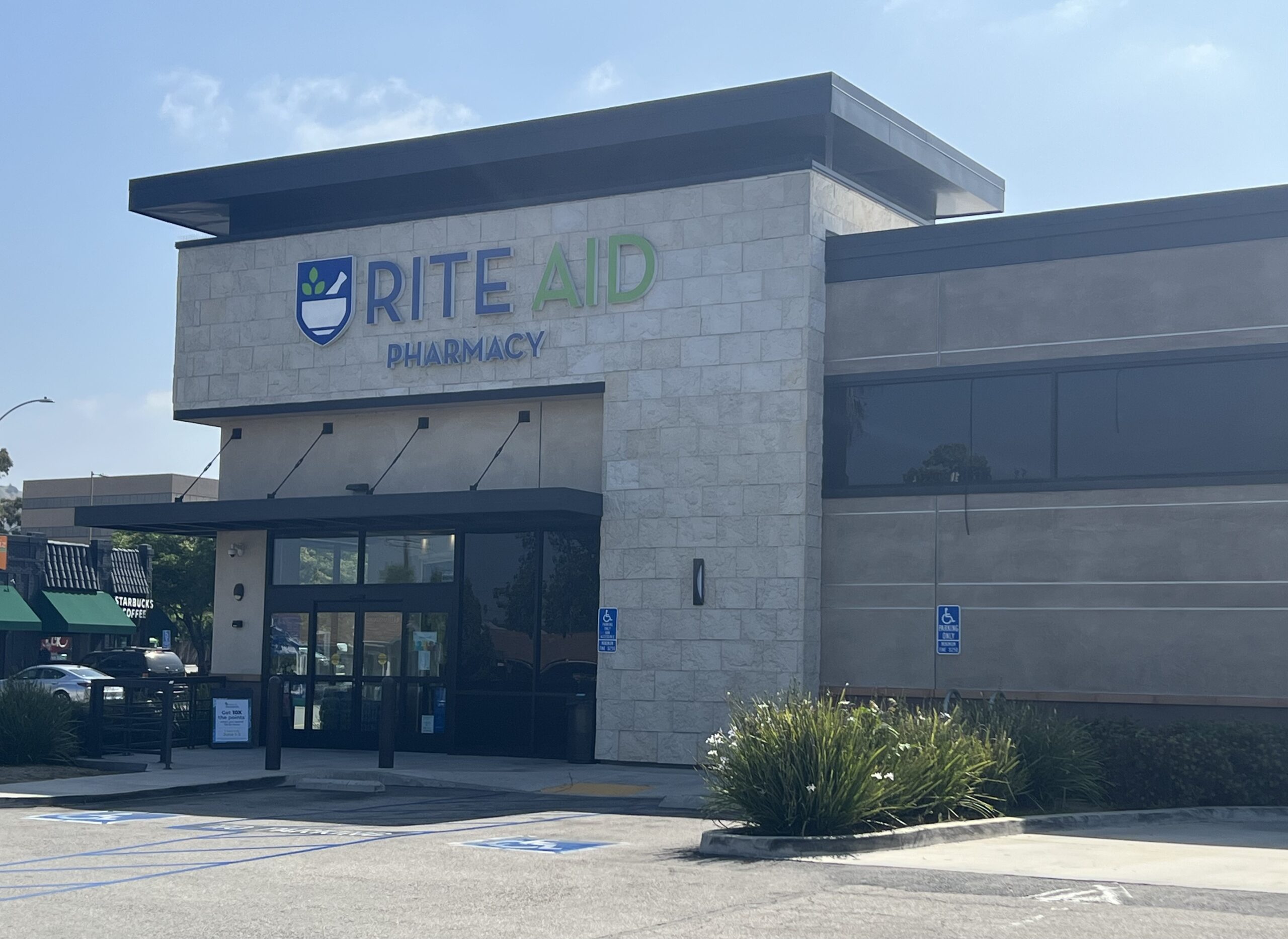
PHILADELPHIA, PA — After 63 years as a staple of American retail, the final chapter for Rite Aid has been written. The once-mighty pharmacy chain has officially closed all its remaining stores nationwide, concluding a dramatic and complex corporate collapse rooted in two consecutive bankruptcy filings, crushing debt, and the heavy shadow of the opioid crisis.
A terse but definitive message now greets visitors to the company’s website: “All Rite Aid stores have now closed. We thank our loyal customers for their many years of support.”
The final closures, which occurred in early October 2025, represent a complete liquidation of the company’s retail footprint, a final step in a rapid descent that began just two years ago.
The Double Bankruptcy That Sealed Its Fate
Rite Aid’s final undoing was marked by a rare “Chapter 22” bankruptcy—two Chapter 11 filings in quick succession.
The first was filed in October 2023, with the goal of restructuring. At the time of this filing, the company operated over 2,100 stores. This initial process was intended to resolve massive debt, which was over $4 billion, and to address thousands of pending lawsuits alleging the company’s role in the opioid epidemic. This filing resulted in the closure or sale of approximately 800 underperforming stores.
The company briefly emerged as a private entity in September 2024, but the financial reprieve was short-lived.
The second and final bankruptcy petition was filed in May 2025. Despite operating with a smaller footprint of approximately 1,275 stores and securing new financing, Rite Aid cited its inability to compete with retail giants like CVS and Walgreens, vendor reluctance to ship products, and its own crippling debt load as the reasons for a second collapse. Court documents soon confirmed that a full wind-down of all retail operations was the only viable path.
The Legacy of Loss
At its peak, Rite Aid—founded in Scranton, Pennsylvania in 1962—operated over 5,000 locations, serving millions of Americans. Its collapse underscores the profound shifts and pressures facing the retail pharmacy sector:
- Intense Competition: The inability to compete with the scale and lower prices offered by industry leaders, as well as mass-market retailers with pharmacies like Walmart and Target.
- The Opioid Crisis: The tremendous legal and financial burden from numerous state and federal lawsuits. The Justice Department had filed a civil complaint accusing the company of violating the Controlled Substances Act by unlawfully filling prescriptions for controlled substances like oxycodone.
- Wider Industry Contraction: Rite Aid’s exit mirrors a wider trend. Research indicates that nearly one-third of U.S. drugstores closed between 2010 and 2021, with both CVS and Walgreens also announcing plans to close hundreds of stores in the coming years.
The closure of Rite Aid’s last stores—which had dwindled to fewer than 100 in the final weeks—leaves a void, particularly in the smaller and more rural communities that relied on the chain for healthcare access.
For former customers, the company’s website remains a resource for locating where their prescriptions and health records were transferred, a process that has seen many of the store assets, including prescription files, sold to competitors like Walgreens, CVS, and regional grocery chains. The closure of Rite Aid marks the end of an era for a brand that was, for more than six decades, a ubiquitous presence in neighborhoods across the United States.