
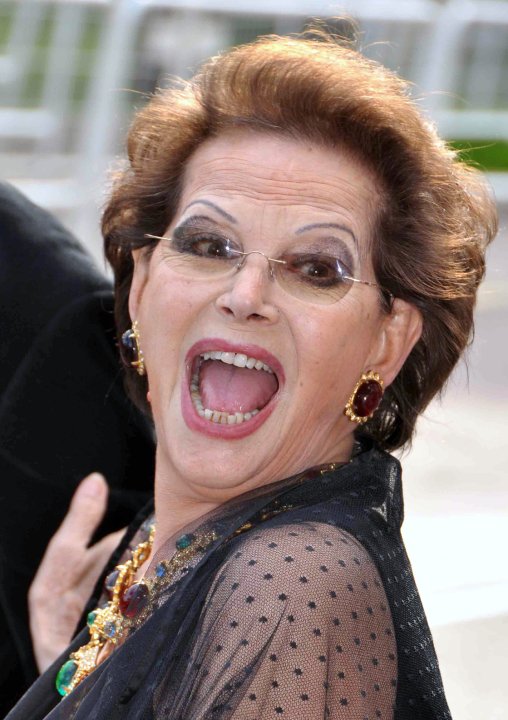
PARIS — Claudia Cardinale, the iconic Italian actress and the luminous star of cinematic masterpieces that defined the golden age of European cinema, has died. She was 87. The news, confirmed by her family, marks the passing of a legend whose career spanned over 100 films and a life that was as complex and compelling as the characters she portrayed.
Cardinale died on Tuesday in her home in Nemours, France, a quiet end to a career that was anything but. Born to Sicilian parents in Tunisia, her rise to stardom began almost by accident when she won a beauty contest, which earned her a trip to the Venice Film Festival. There, her striking beauty and independent spirit captivated legendary directors who would make her an international star.
She was most famous for her collaborations with two giants of Italian cinema. In Federico Fellini’s surrealist masterpiece 8½, she was the ethereal, dreamlike muse, the unattainable ideal of womanhood. In the very same year, she gave an entirely different, but equally powerful, performance in Luchino Visconti’s lavish period epic The Leopard, in which she played the fiery and rebellious Angelica, the peasant girl whose beauty upends the old aristocratic order. Her effortless ability to be both an object of desire and a woman of substance set her apart from her contemporaries.
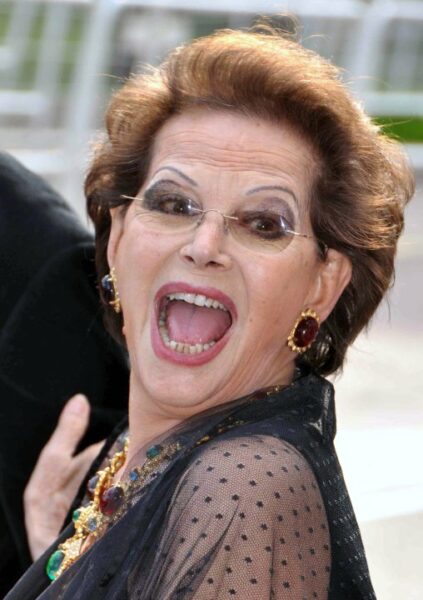
Her allure was not confined to Italy. In Hollywood, she starred in the original The Pink Panther and the classic western Once Upon a Time in the West, where she played a world-weary and tough-as-nails prostitute, a role that was a testament to her versatility. She worked alongside cinematic titans, from Marcello Mastroianni to Burt Lancaster to Charles Bronson, but she was never simply a leading lady; she was a force in her own right, famously returning to European cinema to pursue more complex roles and artistic freedom.
Tributes have poured in from around the world. French President Emmanuel Macron said, “We French will always carry this Italian and global star in our hearts, in the eternity of cinema.” The mayor of Cannes, David Lisnard, called her a “masterpiece in herself.” Beyond her iconic on-screen presence, she was a lifelong advocate for women’s rights and a UNESCO Goodwill Ambassador, a legacy of activism she pursued with the same passion she brought to the silver screen.
With the passing of Claudia Cardinale, a luminous chapter in the history of cinema has come to a close. She was more than a star; she was the embodiment of a defiant and beautiful femininity that left an indelible mark on cinema, and she will be remembered as a true icon of a golden age.