
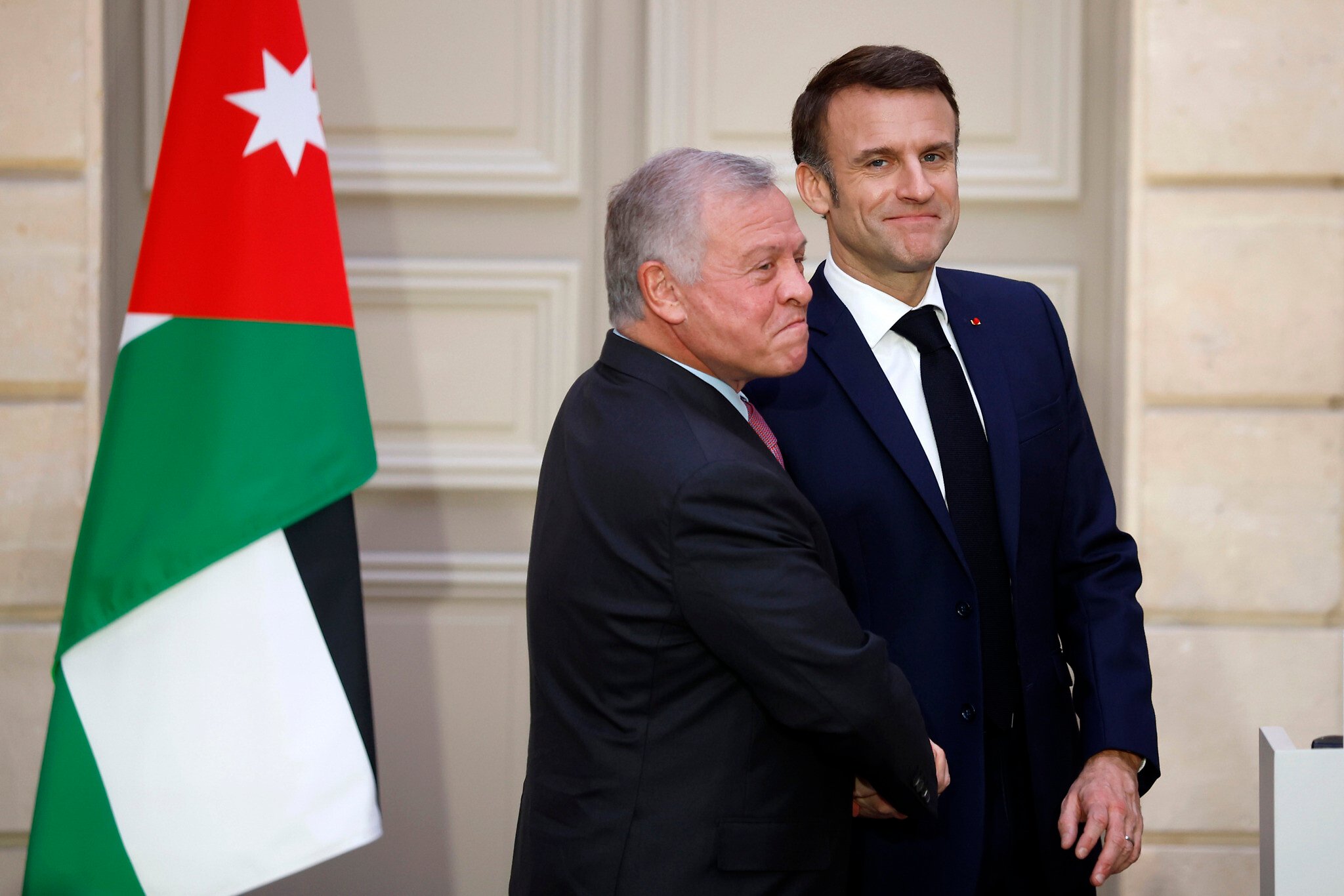
UNITED NATIONS — In a major and symbolic diplomatic break from its traditional policy, France has officially recognized a Palestinian state, joining a growing wave of European and Western nations that are shifting their position in a move that has outraged Israel and energized the Palestinian cause. The historic announcement, made by French President Emmanuel Macron at a high-level United Nations meeting, cements a new and increasingly united front against Israel’s ongoing offensive in Gaza and its rejection of a two-state solution.
The decision by France, a permanent member of the UN Security Council, follows the formal recognition of Palestinian statehood by the United Kingdom, Canada, Australia, and Portugal just a day earlier. In his address at the UN General Assembly, Macron declared, “True to the historic commitment of my country to the Middle East, to peace between the Israelis and the Palestinians, this is why I declare that today, France recognizes the state of Palestine.” The announcement was met with a standing ovation from a majority of the 140-plus delegations in attendance.
The coordinated move is a direct response to a two-fold reality on the ground: the intensifying humanitarian catastrophe in Gaza and Israel’s accelerated expansion of settlements in the West Bank. European leaders, including Macron and UK Prime Minister Keir Starmer, argue that their recognitions are not a reward for Hamas but a necessary step to keep the peace process from collapsing entirely. The hope is that by empowering the Palestinian Authority and offering a political horizon, it will strengthen moderate voices and provide a viable path to a peaceful resolution.
The diplomatic unity, however, was met with a fierce and predictable backlash. Israeli Prime Minister Benjamin Netanyahu condemned the recognitions as “appeasement towards jihadist terrorists” and vowed retaliation, a sentiment echoed by his government. An Israeli official confirmed that annexing parts of the West Bank is a retaliatory option being considered, a move that would further deepen Israel’s isolation. For its part, the Trump administration made it clear it opposes the recognitions, with U.S. and Israeli delegations pointedly absent from the UN summit where Macron made his announcement.
For the Palestinian people, the recognition is a major diplomatic victory. The Palestinian Authority’s Ministry of Foreign Affairs welcomed the move as a “historic and courageous decision” that aligns with international law. While largely symbolic, the declarations by these major world powers serve to delegitimize the Israeli occupation and put pressure on the United States, which has consistently used its veto power to block full UN membership for a Palestinian state.
The wave of recognitions, led by France, signals a tectonic shift in global diplomacy. It marks a clear break from decades of a U.S.-led policy and ushers in a new and uncertain chapter in the Middle East. With key allies like the UK and France now charting their own course, the U.S. is finding itself increasingly alone in its approach to one of the world’s most intractable conflicts.