
India has launched a scathing diplomatic protest against the new U.S. fee for skilled worker visas, warning that the policy will have “serious humanitarian consequences” and could disrupt the lives of tens of thousands of skilled Indian workers and their families. The move, which introduces a unprecedented $100,000 fee for H-1B visa applications, has turned a routine immigration issue into a major diplomatic flashpoint.
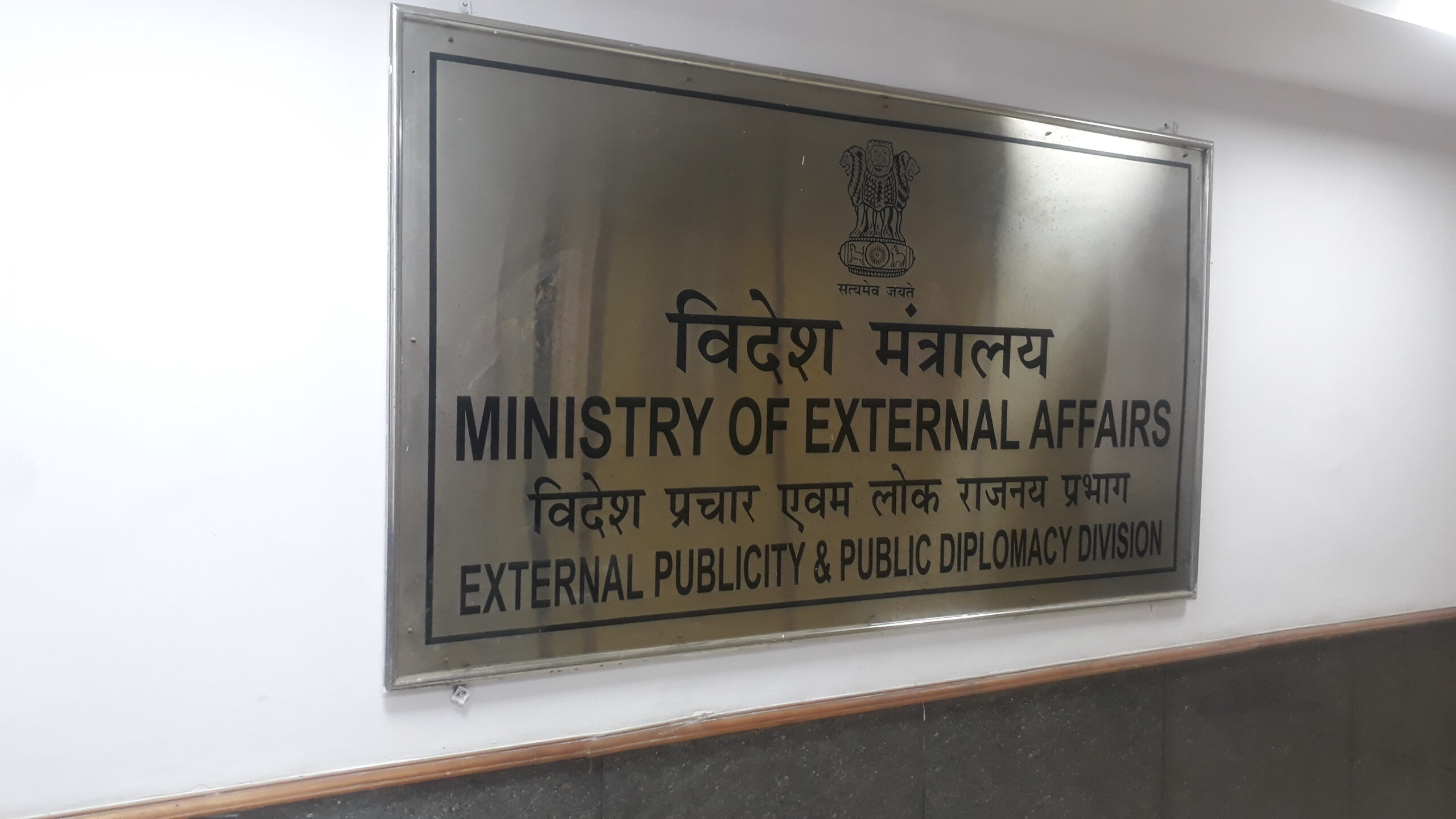
The Indian Ministry of External Affairs (MEA) issued a strongly worded statement on Saturday, expressing “serious concern” and directly challenging the Trump administration’s rationale for the fee. While the U.S. framed the measure as a way to curb “abuse” of the H-1B program and protect American jobs, the MEA’s spokesperson stated that the “disruption caused for families” is a significant concern that policymakers must address. The warning came as major Indian and U.S. tech companies scrambled to advise employees on H-1B visas who were abroad to return to the U.S. before the fee took effect, a one-day deadline that has created widespread panic.
The new policy represents a staggering increase from the previous application fees, which typically ranged from $2,000 to $5,000. It is a direct blow to India, which accounts for over 70 percent of all H-1B visa recipients, many of whom are working for the world’s largest tech companies. The National Association of Software and Service Companies (NASSCOM), India’s leading tech industry body, echoed the government’s concerns, warning of “ripple effects” that could harm the U.S. innovation ecosystem and the global job market.
The diplomatic spat also takes place against the backdrop of ongoing trade tensions between the two countries. An Indian delegation, led by Commerce and Industries Minister Piyush Goyal, is scheduled to visit Washington, D.C., for talks, and some Indian officials privately view the new visa fee as a form of “pressure tactic” by the U.S. to gain leverage in those negotiations.
The Trump administration has defended the policy as a way to ensure that only the “very best” and most exceptional foreign talent enters the country, arguing that the H-1B visa has been used to undercut American wages. But critics on both sides of the Pacific argue that the move is an economic and humanitarian self-inflicted wound.
The conflict over the H-1B visa is no longer confined to the boardrooms of Silicon Valley or the halls of Congress. It has become a personal and deeply human issue for thousands of Indian families whose lives are now in a state of uncertainty, a stark reminder of the global consequences of an “America First” immigration policy.