
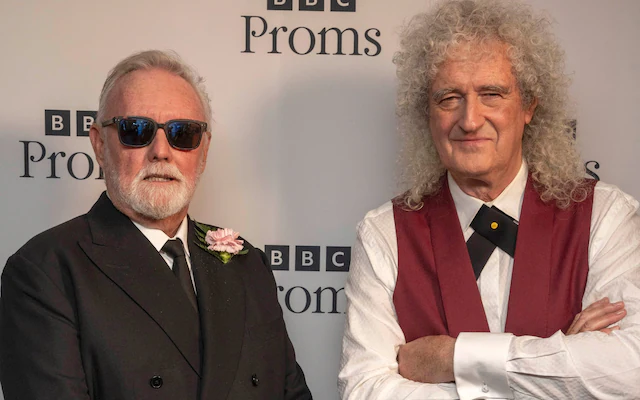
In a stunning fusion of classical tradition and rock and roll swagger, the legendary band Queen brought the house down at the Last Night of the Proms, delivering a thunderous performance that electrified the Royal Albert Hall. In a surprise guest appearance, Sir Brian May and Roger Taylor joined the BBC Symphony Orchestra and Chorus for a new orchestral arrangement of their iconic masterpiece, “Bohemian Rhapsody,” which celebrates its 50th anniversary this year.
The performance, a highlight of the season’s grand finale on Saturday night, marked a rare crossover for the prestigious classical music institution. With West End star Sam Oladeinde providing the vocals for the six-minute anthem, the fusion of Queen’s raw power with the soaring sounds of a full orchestra captivated the audience. The Royal Albert Hall, usually filled with the dignified waving of Union Jack flags, was transformed into a chorus of cheers and applause, with Proms-goers roaring their approval.
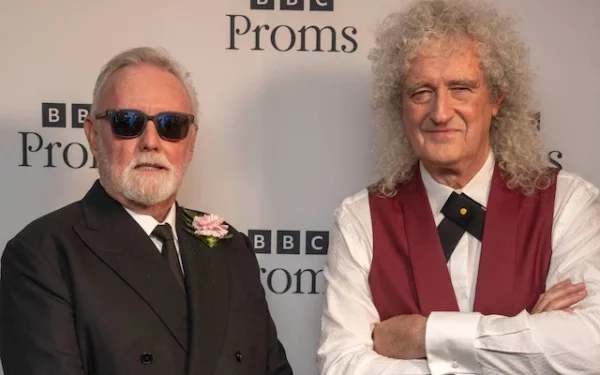
For Sir Brian May, the moment was both monumental and deeply personal. “It was very emotional, too emotional. I missed a couple of things, which I would have loved to get better, but the overall feeling was great,” he told the BBC backstage. The performance was a powerful tribute to the enduring legacy of Freddie Mercury and a testament to the song’s timeless ability to connect with audiences across generations and genres.
The appearance was a significant break from the Proms’ usual tradition of patriotic and classical music, and it demonstrated the festival’s willingness to embrace a broader musical landscape. While the night also featured the traditional favourites—including “Rule, Britannia!” and “Land of Hope and Glory”—Queen’s performance was undoubtedly the most talked-about moment of the evening. The event, which was broadcast live on the BBC, has already gone viral on social media, with fans celebrating the rock legends’ powerful and emotional return to the stage.
For a nation in need of a moment of unity, the collaboration between a rock band and a classical orchestra offered a potent symbol of music’s ability to transcend boundaries. It was a royal rock triumph in every sense of the word, a performance that proved, once again, that the show must go on.