
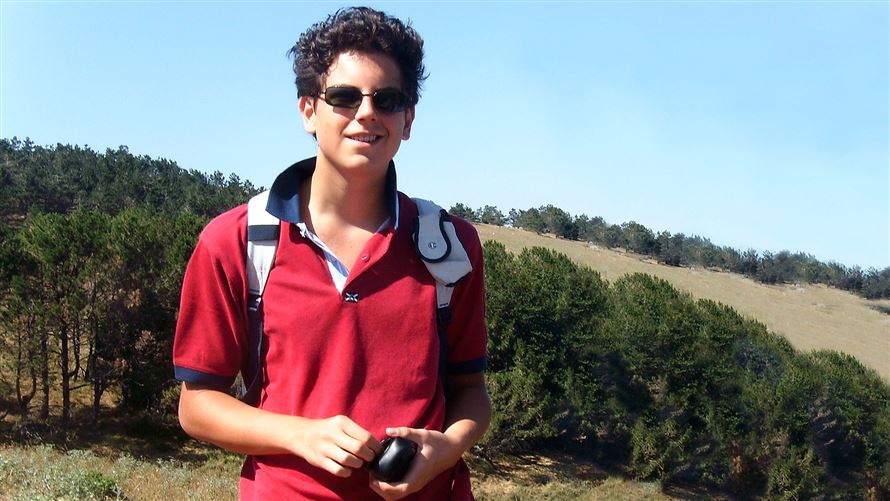
VATICAN CITY – A wave of jubilant, youthful energy swept through St. Peter’s Square today as Pope Leo XIV canonized Carlo Acutis, an Italian teenager who died in 2006, as the Catholic Church’s first millennial saint. The historic ceremony, attended by more than 80,000 pilgrims from across the globe, elevates a tech-savvy, jeans-wearing teen to the hallowed ranks of the saints, offering a new, relatable model of holiness for a digital generation.
The atmosphere in the square was one of joyous celebration, a stark contrast to the solemnity of past canonizations. Thousands of young people, many holding signs with Acutis’s image and slogans like “God’s Influencer,” chanted and cheered as Pope Leo XIV, in his first canonization ceremony as Pope, formally declared him a saint. The pontiff also canonized Pier Giorgio Frassati, another young Italian known for his piety and charity, who died a century ago.
“The greatest risk in life is to waste it outside of God’s plan,” Pope Leo said in his homily, holding up Acutis as a witness to how an ordinary life can be made a “masterpiece.”
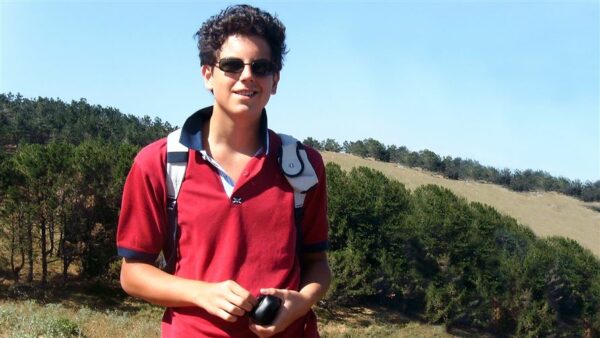
Acutis, born in London in 1991, was a computer whiz known for his profound devotion to the Eucharist. He was a normal teenager who loved video games, but with a remarkable sense of discipline, limiting his gaming to just one hour a week. He used his coding skills not for personal gain, but to build websites documenting Eucharistic miracles and Marian apparitions, earning him the nickname “God’s influencer” and “cyber-apostle.” He died in 2006 at the age of 15 from an aggressive form of leukemia.
His journey to sainthood was unusually fast-tracked by the Church, which attributed two miracles to him. One involved the healing of a Brazilian child with a congenital pancreatic disease, and a second miracle was credited with the unexplained recovery of a university student who suffered a severe brain bleed.
For the young faithful, Acutis’s canonization is a powerful symbol of the Church’s attempt to bridge the gap between tradition and the modern world. His tomb in Assisi, where his body lies in a glass-sided coffin dressed in his everyday clothes, has become a pilgrimage site, attracting millions who see in him a saint who lived and died in their own time.
As the ceremony concluded and the crowd dispersed, the message was clear: The Catholic Church is embracing a new kind of saint—one who used a laptop and a rosary to find heaven, proving that holiness is not confined to the past but can be found in the everyday life of the 21st century.