
A long-sought glimmer of hope for a Gaza ceasefire has been overshadowed by a significant point of contention, as Israel’s leadership has cast doubt on a new truce proposal by insisting on the release of all remaining hostages. The demand comes just a day after Hamas announced it had accepted a deal brokered by Egypt and Qatar, leaving mediators and a war-weary public waiting for a formal response from the Israeli government.
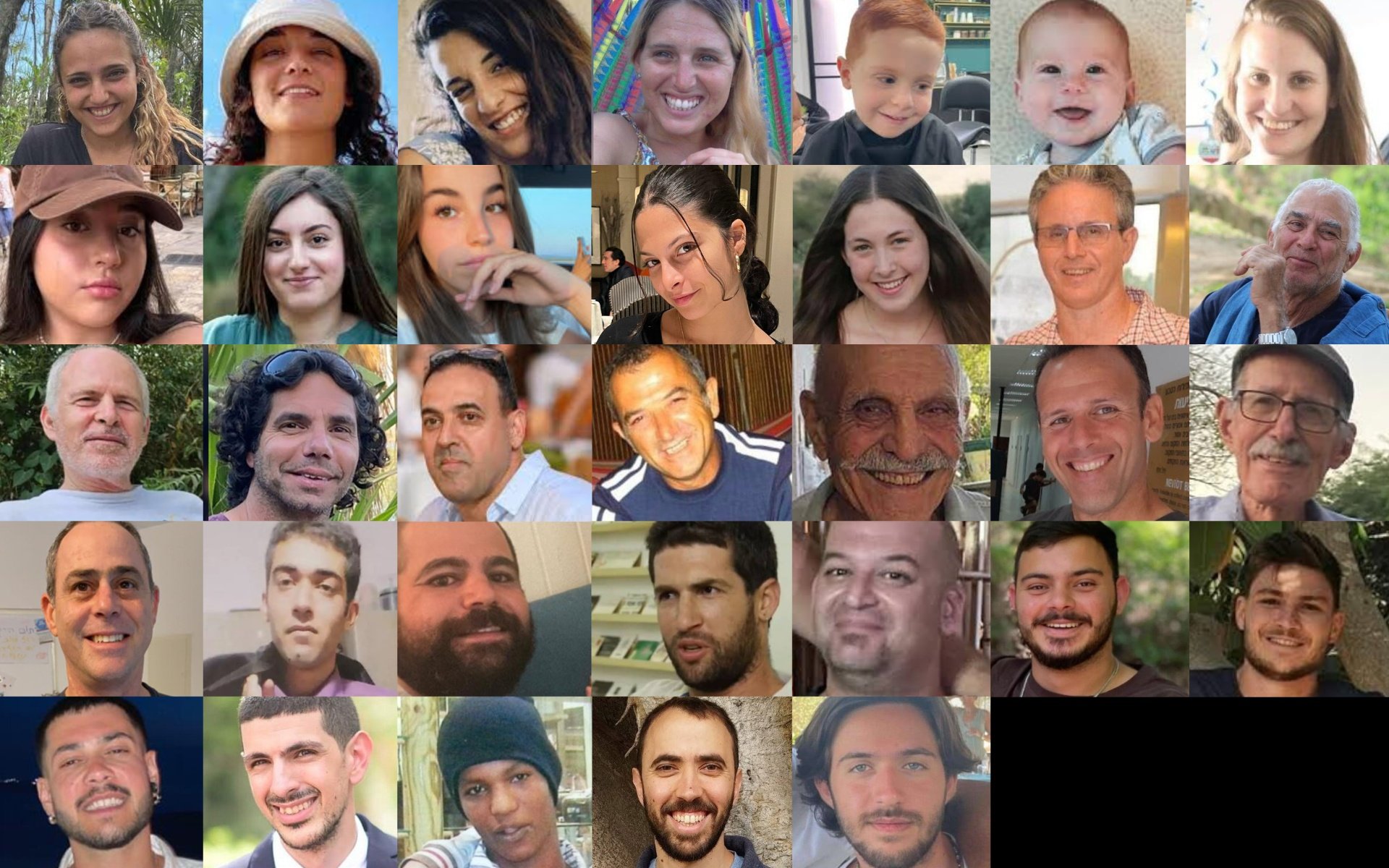
According to a senior Israeli official, who spoke on condition of anonymity, Israel’s policy is “consistent and has not changed.” The official told reporters that “Israel demands the release of all 50 hostages in accordance with the principles set by the Cabinet to end the war. We are at the final decisive stage of defeating Hamas and will not leave any hostage behind.”

The statement, while not an explicit rejection of the proposal, puts Israel at odds with the reported terms of the deal, which Egyptian and Qatari mediators have said includes a 60-day ceasefire and the partial release of Israeli hostages in exchange for some Palestinian prisoners. Mediators in Qatar have said the proposal is “almost identical” to a previous plan that Israel had already agreed to.
Prime Minister Benjamin Netanyahu has yet to publicly comment on the plan, but he has maintained for weeks that the war will not end until all hostages are returned and Hamas is dismantled. The Prime Minister is facing immense pressure from his far-right coalition partners, who have threatened to topple his government if a deal is reached that they consider too lenient on Hamas. Simultaneously, he is facing growing public outrage at home, with tens of thousands of Israelis protesting in Tel Aviv, demanding a deal to free the remaining captives.
The Hamas-accepted proposal is believed to include the release of 10 living hostages in exchange for 200 Palestinian prisoners. This is in stark contrast to Israel’s demand for all 50 remaining hostages, 20 of whom are believed to be alive. The significant gap between the two sides’ positions leaves a major question mark over whether a deal can be reached.
While the diplomatic stalemate continues, the conflict on the ground rages on. The Israeli military has intensified attacks on Gaza City, a move many see as an attempt to increase pressure on Hamas to agree to a deal. Meanwhile, aid agencies continue to warn of a dire humanitarian crisis, with millions displaced and facing famine.
For now, the ball is in Israel’s court. As mediators in Doha and Cairo wait for a formal response, the fate of the remaining hostages and the future of the devastated Gaza Strip hang in the balance.