
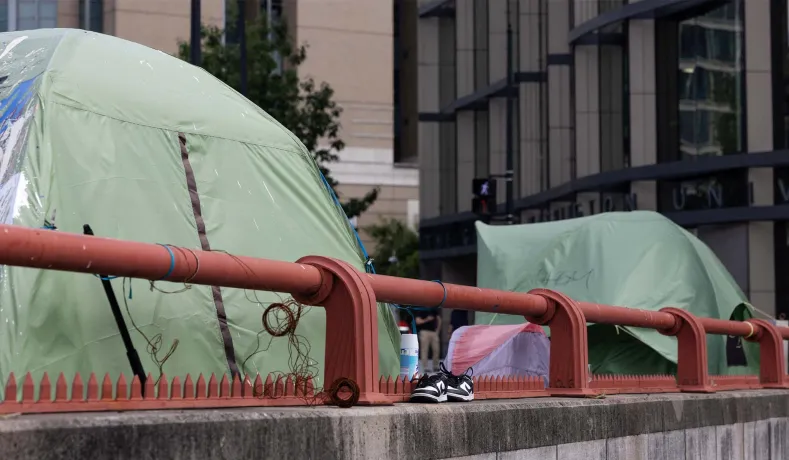
In a dramatic and highly controversial move, D.C. government crews, with the support of federal law enforcement and the National Guard, have dismantled the city’s largest homeless encampments, following an order from President Donald Trump for a nationwide crackdown. The operation, which saw bulldozers and garbage trucks clear away tents and personal belongings, has been lauded by the administration as a necessary step to restore “law and order,” but has drawn fierce condemnation from advocates who say it has simply displaced a vulnerable population without a clear plan for permanent housing.
The targeted sweeps, which took place over several days, were concentrated in areas near federal monuments and along major thoroughfares, including an encampment near the Lincoln Memorial. The actions followed a presidential executive order on homelessness that directs states to treat the issue as a public safety concern and encourages the use of involuntary commitment for individuals with serious mental illness or substance use disorders. In a social media post, the President vowed to make the nation’s capital “safe and beautiful” and insisted that unhoused people be moved “immediately” to shelters located “far from the Capital.”
D.C. Mayor Muriel Bowser’s office confirmed that the city’s Department of Public Works and other agencies were carrying out “encampment engagement” and offering services, but officials admitted that the timeline was “aggressive” and that it would be difficult to clear all 62 sites as quickly as the federal government has demanded.
For the residents of the encampments, the experience was chaotic and terrifying. “We’re in the business of making sure people have the information… but then people are, you know, left up to make their own decisions,” said Kierstin Quinsland, a chief program officer at Miriam’s Kitchen, a homeless service provider. However, many residents and advocates reported a more forceful approach, with some claiming they were given a choice between being transported to a shelter or facing fines and arrest.
The crackdown has ignited a firestorm of protest from human rights and housing advocacy groups. The National Alliance to End Homelessness condemned the executive order, stating it would “impose a multitude of harmful, ineffective, and outdated policies.” They, and others, argue that the approach ignores the root cause of homelessness—the lack of affordable housing and adequate support services—and instead treats it as a crime to be punished. They also raised concerns about the collection of personal health information and its potential to be shared with law enforcement.
The administration, for its part, has defended the policy as a shift away from what it calls the “failed ‘Housing First'” model, which prioritizes housing without preconditions like sobriety. A White House press secretary said the administration will “end support for ‘housing first’ policies that deprioritize accountability and fail to promote treatment, recovery, and self-sufficiency.”
As the bulldozers continue their work and the dust settles on the empty lots, the fate of the displaced residents remains uncertain. For now, the images of dismantled tents and discarded belongings serve as a powerful and painful symbol of a stark new approach to a crisis that shows no signs of abating.