
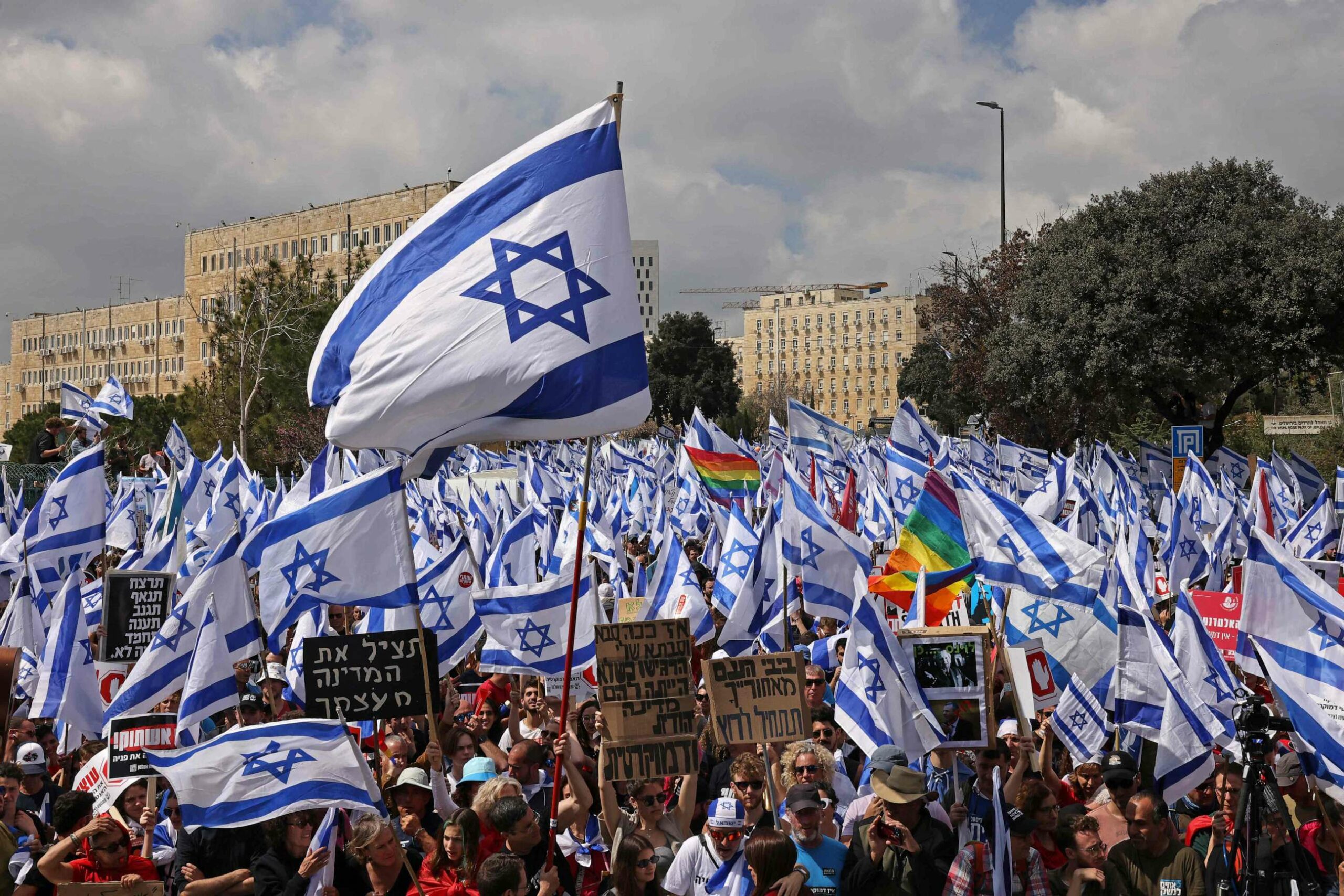
In a powerful display of public dissent, tens of thousands of Israelis took to the streets of Tel Aviv and other cities on Saturday to protest a government plan for a large-scale military operation to occupy Gaza City. The demonstration, one of the largest anti-government rallies in months, was fueled by a deep-seated fear that the proposed military action could be a death sentence for the 50 remaining hostages held by Hamas.
The protest came just a day after Prime Minister Benjamin Netanyahu’s security cabinet approved the plan, which seeks to intensify Israel’s 22-month war in Gaza. The new operation would see Israeli forces enter the few remaining areas of the territory not yet completely destroyed, a move military officials have reportedly warned against, citing the increased danger to the hostages.
“If, God forbid, anything happens to my David or any other hostage, it’s on your hands,” said Sharon Aloni-Cunio, a former hostage, speaking to the massive crowd in Tel Aviv. Her words echoed the desperation of other families of captives, who have become the most vocal critics of the government’s war strategy. Einav Zangauker, whose son Matan is still in captivity, called for a general strike, urging fellow Israelis to “shut the country down” to pressure the government to prioritize a hostage deal.
The Hostages and Missing Families Forum released a statement calling the cabinet’s decision “a bright red flag” and accused the government of “sacrificing our loved ones.” The forum has been a consistent voice for a ceasefire and a deal to secure the release of the captives, but their pleas have largely been ignored by Netanyahu’s far-right coalition partners, who have pushed for a total takeover of Gaza.
The Israeli government’s plan has also drawn a wave of international condemnation. The Palestinian Authority condemned the move as “a new crime,” while a joint statement from the foreign ministers of the UK, Germany, Italy, Australia, and New Zealand warned it would “aggravate the catastrophic humanitarian situation” in Gaza. A separate statement from more than 20 countries, including key ceasefire mediators Egypt and Qatar, called the plan a “dangerous and unacceptable escalation.”
The UN Security Council is scheduled to hold an emergency meeting on Sunday to discuss the matter, a sign of the widespread global alarm over the potential consequences of the military action.
For the protesters in Tel Aviv, the fight is not just for the hostages; it is for a different path forward. “After two years of fighting there has been no success,” said Yana, a 45-year-old high school teacher at the rally. “I wonder whether additional lives for both sides, not just the Israelis but also Gazans, will make any difference.”
With a majority of Israelis favoring a ceasefire to secure the release of the remaining captives, Netanyahu is facing immense pressure from all sides. As the government moves forward with its plan, the protests in Israel serve as a powerful and painful reminder that the human cost of the war is not confined to Gaza, and that for many, a military victory is not worth the lives of their loved ones.