
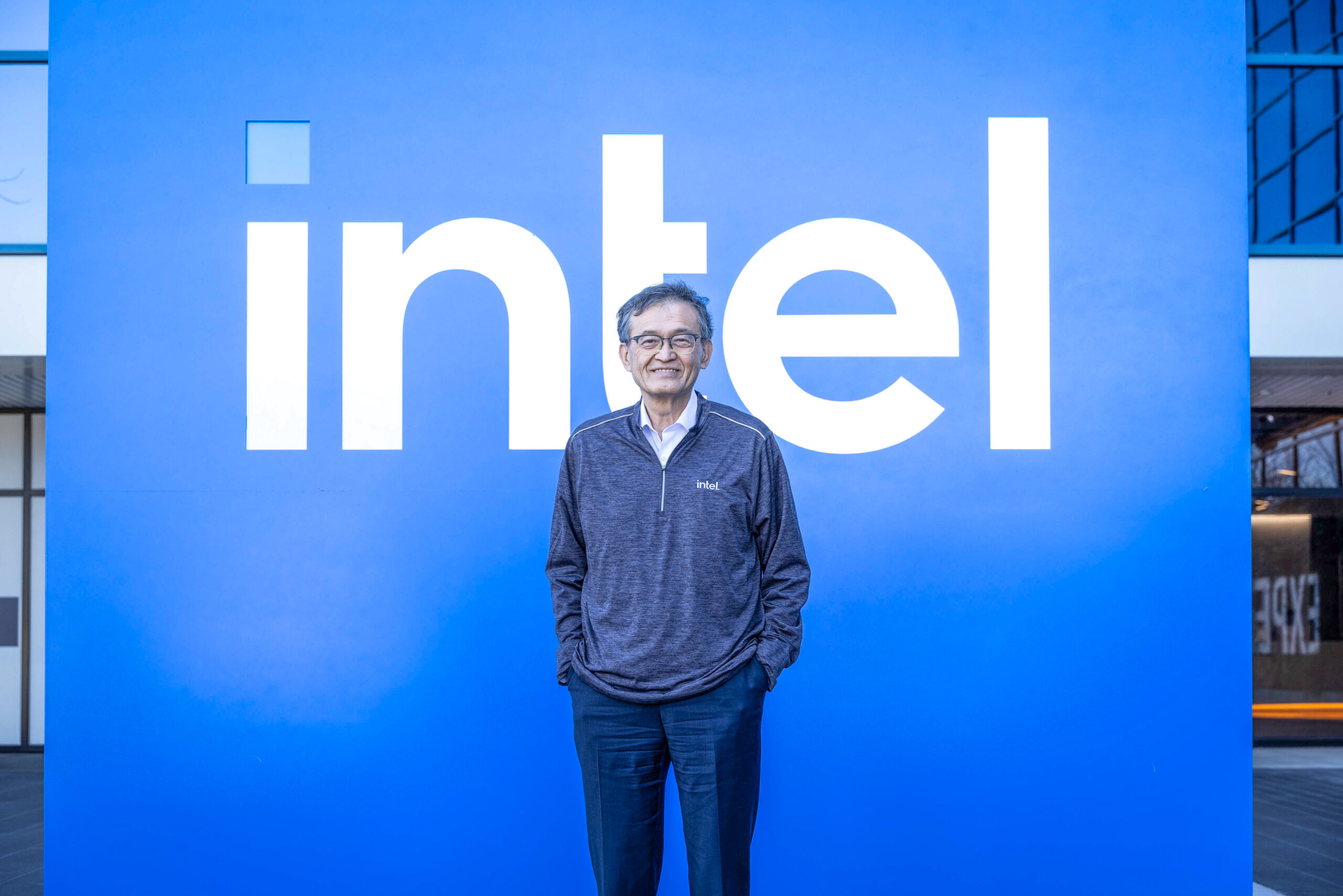
In a dramatic and unprecedented intervention into the leadership of a private American company, President Donald Trump today publicly demanded the immediate resignation of Intel CEO Lip-Bu Tan, accusing the executive of being “highly CONFLICTED” due to extensive financial and professional ties to China. The demand, delivered in a characteristically forceful post on his social media platform, sent Intel’s stock tumbling and ignited a political firestorm.
“The CEO of INTEL is highly CONFLICTED and must resign, immediately. There is no other solution to this problem,” Trump wrote on Truth Social. His statement, which was not accompanied by specific evidence, follows a letter sent earlier this week by Republican Senator Tom Cotton of Arkansas to Intel’s board chair, raising alarms about Tan’s past.
Senator Cotton’s letter cited an April Reuters report that detailed Tan’s investments, both personally and through his venture funds, in hundreds of Chinese companies. The report alleged that at least eight of these companies have direct ties to the Chinese military, the People’s Liberation Army. Cotton’s inquiry also referenced a recent criminal case involving Cadence Design Systems, a company where Tan previously served as CEO. Cadence pleaded guilty and paid a fine to resolve charges that it illegally sold technology to a Chinese military university during Tan’s tenure.
The allegations against Tan, who was appointed CEO of Intel in March, have been a source of concern for some in Washington. As the CEO of a company that is a major recipient of federal funds from the CHIPS Act, designed to bolster domestic semiconductor manufacturing, Tan’s past associations have been thrust under a harsh spotlight.
For the Trump administration, the demand for Tan’s resignation is a powerful signal in its broader economic and geopolitical strategy. The President has made it clear he intends to use tariffs and other measures to curb China’s technological advancement and incentivize companies to move production back to the United States. His public call for Tan to step down aligns with this “America First” agenda, but it has also raised serious questions about the role of the President in the affairs of private corporations.
The market’s reaction was swift and negative. Intel’s shares dropped by over 3% in premarket trading, reflecting investor unease about the company’s leadership stability and its ability to navigate an increasingly hostile political environment.
The move has drawn criticism from both political and business circles. Critics argue that a President dictating who runs a private company sets a dangerous precedent and could have a chilling effect on American business. However, supporters of the President’s actions say that when a company receives billions in taxpayer money, its leadership should be free of any potential conflicts of interest, especially those involving a strategic rival like China.
For now, Intel has stated it will address the issues raised by Senator Cotton’s letter, saying both the company and Tan are “deeply committed to the national security of the United States.” The company has not yet responded to the President’s demand, but with the world’s most powerful office now calling for its leader’s removal, the pressure on Intel’s board is immense. The standoff is a stark new chapter in the ongoing tech and trade war between the United States and China, with the fate of one of America’s most iconic technology companies hanging in the balance.