
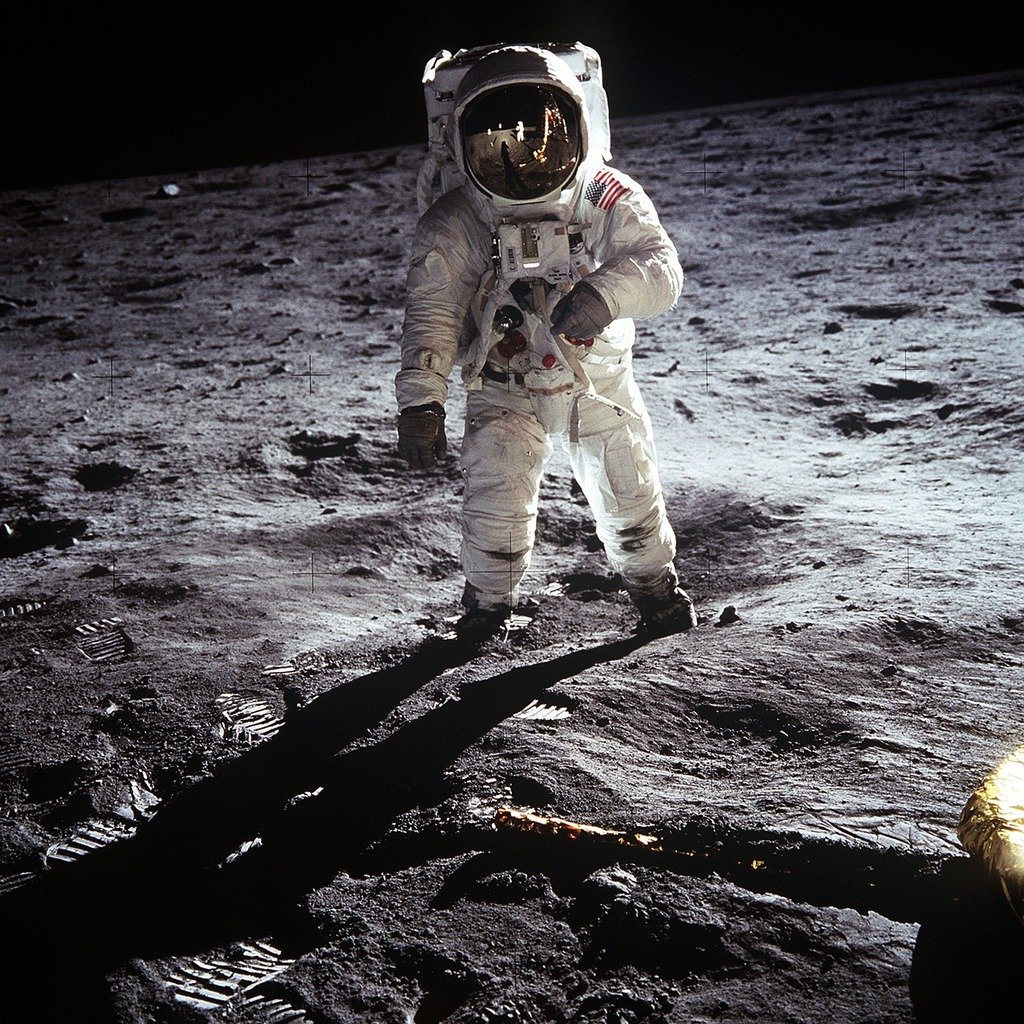
NASA is on an accelerated mission to deploy a nuclear reactor on the Moon by 2030, a project that is being fast-tracked by the Trump administration to ensure a reliable power source for long-term lunar missions and to secure America’s dominance in a new, geopolitical “space race” against Russia and China.
The ambitious initiative, detailed in a new memo from interim NASA Administrator Sean Duffy, is a significant escalation from previous plans. Duffy has called for a 100-kilowatt nuclear fission reactor, a more powerful system than earlier concepts, and has set an aggressive timeline for its deployment. The goal is to provide a continuous, sun-independent energy source that is critical for a sustained human presence on the lunar surface.
The need for a nuclear reactor is a matter of pure practicality. A lunar night lasts 14 Earth days, rendering solar power unreliable for weeks at a time. A 100-kilowatt reactor could power habitats, scientific laboratories, mining equipment, and rovers simultaneously, enabling future missions to explore and survive in permanently shadowed craters near the Moon’s south pole. These areas are believed to hold vital resources like water ice, a key to future lunar and Martian missions.
The directive comes amid growing global competition. China and Russia have announced their own plans to build a joint automated nuclear power station on the Moon by 2035. The race to be the first to establish such a power source is not just about technology; it’s about strategic advantage. As one senior NASA official told Politico, the first country to install a reactor could potentially “declare a keep-out zone” on the Moon, a move that could limit access for other nations.
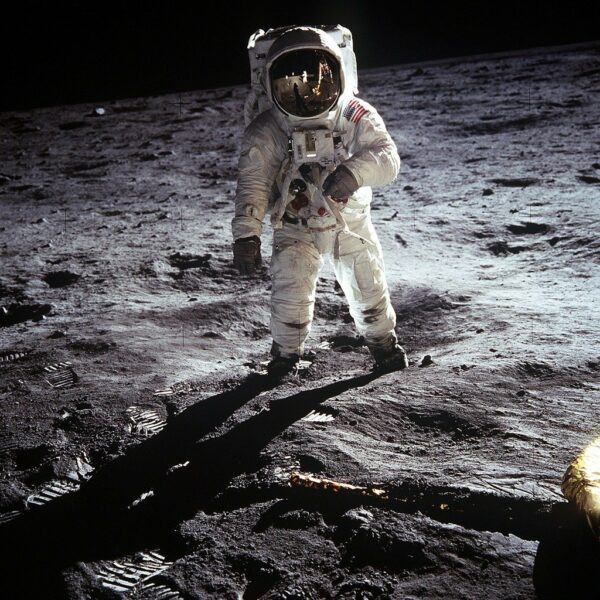
Image source: picryl.com
The new plan builds upon NASA’s Fission Surface Power project, which successfully tested a smaller nuclear system in 2018. However, this accelerated timeline faces significant challenges. The Trump administration has proposed steep budget cuts to NASA, slashing its budget by nearly a quarter from $24.8 billion to $18.8 billion. This raises serious questions about how such an ambitious project will be funded without gutting other critical science programs.
Another major hurdle is the launch itself. Launching nuclear material into space requires a complex and lengthy regulatory approval process. The reactor must be compact and lightweight, and the design must be incredibly safe, as the system will need to operate for a decade without human intervention. While scientists at Lancaster University believe it is “technically possible” to meet the 2030 deadline with “enough money,” they also warn that the plans “don’t appear very joined up at the moment.”
For now, the focus is on soliciting proposals from private industry within the next 60 days to develop the reactor. The move signals a clear shift in NASA’s priorities, with a new emphasis on geopolitical goals and a drive to secure America’s strategic interests in space. While some scientists worry that a narrow focus on national interest could overshadow the bigger picture of scientific exploration, the push to land a nuclear reactor on the Moon by 2030 is a powerful statement in the new era of the space race.