
The ongoing trade dispute between the United States and Canada has escalated, directly hitting the wallets of Canadian consumers. Following President Donald Trump’s decision to increase tariffs on all Canadian imports from 25% to 35% on goods not covered by the USMCA, the Canadian government has followed through on its threat of a new round of retaliatory tariffs on American goods. The new levies, which take effect this month, are set to drive up the cost of a range of everyday products, from the dinner table to the laundry room.
While the full economic impact is still being calculated, analysts at the Conference Board of Canada and other institutions have identified several key categories that will see price increases. These tariffs are designed to pressure U.S. industries and lawmakers, but the immediate consequence is a higher price tag for Canadian shoppers who rely on American imports.
Here are five things that are now more expensive for Canadians due to the new tariffs:
1. Dairy and Meat Products: The grocery bill is taking a direct hit. Canada’s retaliatory tariffs have targeted a wide range of agricultural products, including poultry, fresh and frozen meats, milk, cheese, and butter. This means that American-sourced chicken breasts, beef cuts, and a variety of cheeses are now subject to the higher tariffs, which importers are likely to pass on to consumers.
2. Household Appliances: The price of major household goods is rising. The list of tariffed items includes refrigerators, freezers, dishwashers, washing machines, and dryers. For families in the market for a new appliance, the cost of American-made models is now significantly higher. This is also expected to have a ripple effect on repair and maintenance services, as replacement parts from the U.S. will also be subject to the new duties.

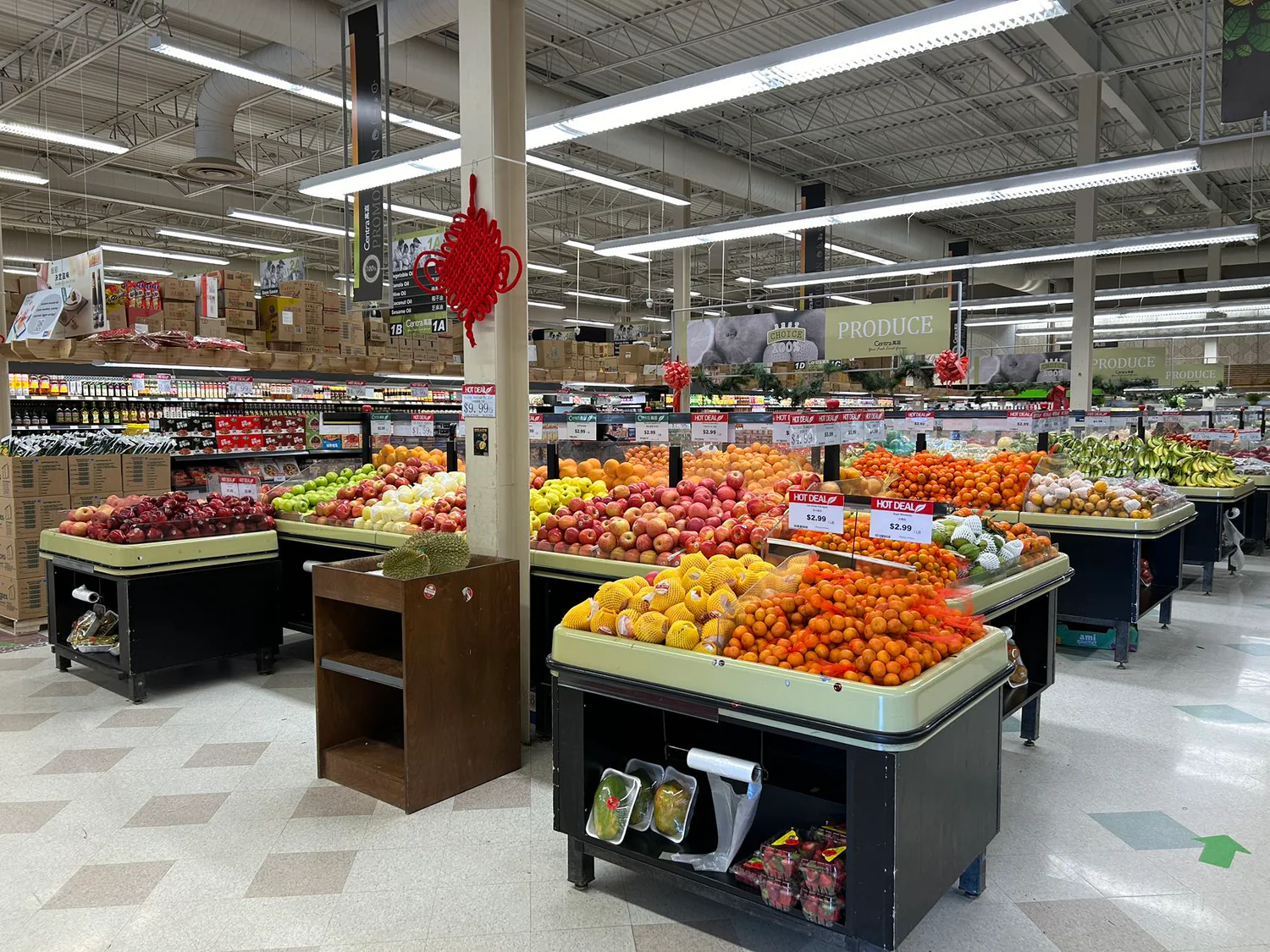
3. Fresh Fruits and Vegetables: Shoppers looking for produce will feel the pinch. Items like tomatoes, citrus fruits, and a variety of nuts are on the tariff list. With Canada’s short growing season and high reliance on U.S. produce during the winter months, the cost of fresh food is likely to increase at the grocery store, affecting household budgets.
4. Personal Care Products: The tariffs aren’t just for big-ticket items. The new levies also apply to a wide array of personal care and hygiene products, including perfumes, makeup, hair and skincare items, and dental hygiene preparations. This makes a routine shopping trip for toiletries and beauty products more costly for consumers.
5. Wood and Construction Materials: The housing and construction sectors are also in for a shock. Tariffs on a range of wood products, including particleboard and fiberboard, are expected to raise the cost of homebuilding and renovation projects. This will affect not only new homes but also the price of repairs and maintenance for existing ones.
Prime Minister Mark Carney, while acknowledging his government’s disappointment in the U.S. decision, has stated that Canada remains committed to the USMCA agreement, which exempts approximately 90% of Canadian exports to the U.S. from tariffs. However, for the 10% of goods now facing increased U.S. tariffs, and for the consumers on both sides of the border who are now paying more due to retaliatory measures, the economic consequences are a harsh reality. As the trade war continues, analysts warn that prices could continue to climb, forcing businesses to absorb costs or, more likely, pass them along to the consumer, further fueling inflation and economic uncertainty.