
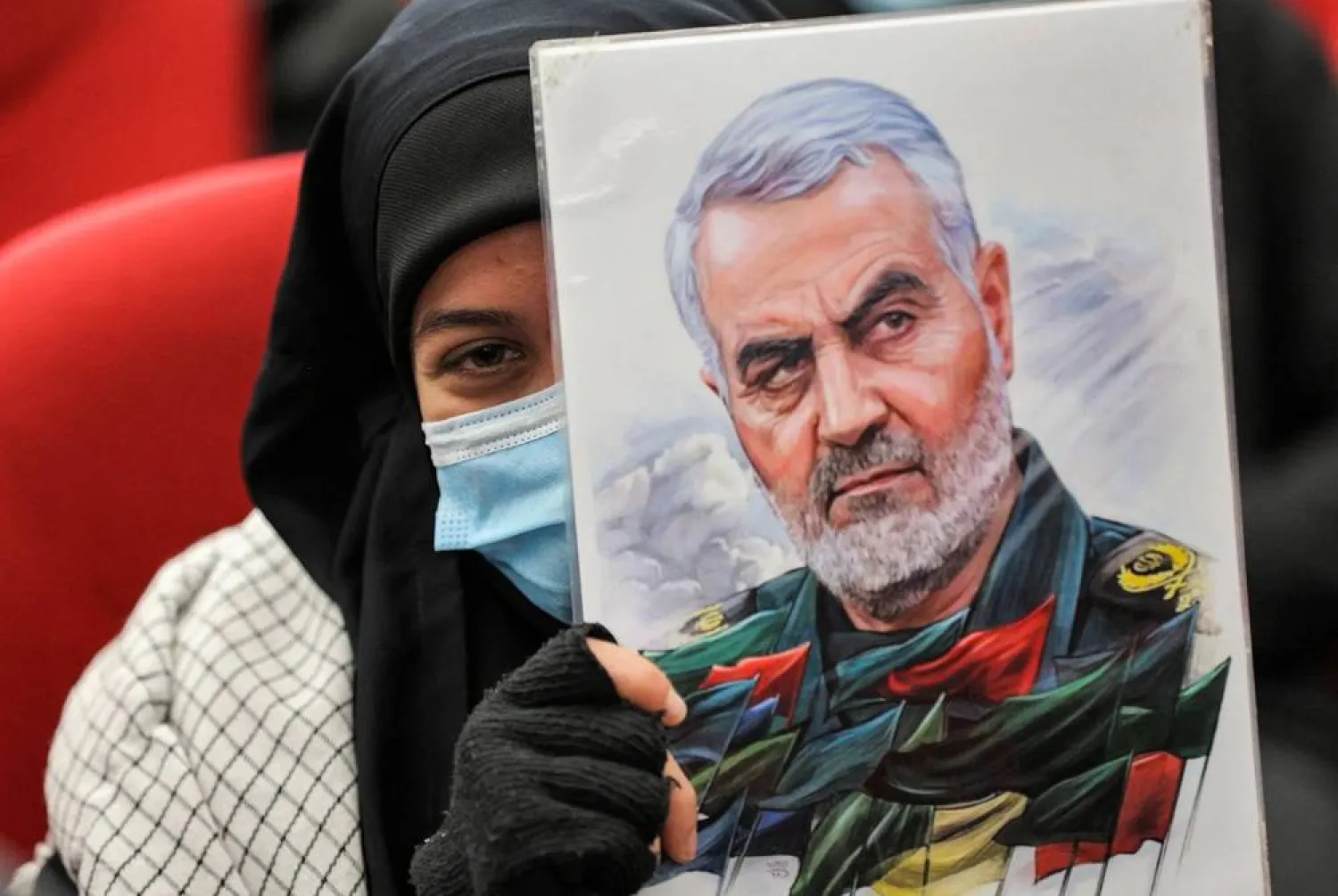
In a move that signaled a sharp expansion of the Trump administration’s domestic crackdown on Iranian influence, federal agents on Friday night arrested the niece and grand-niece of the late Iranian Major General Qasem Soleimani.
The arrests of Hamideh Soleimani Afshar and her daughter—whose name has not been released—followed the immediate termination of their Lawful Permanent Resident (LPR) status by Secretary of State Marco Rubio. The pair, who had reportedly been living a “lavish lifestyle” in Los Angeles, are now in the custody of U.S. Immigration and Customs Enforcement (ICE) pending deportation proceedings.
From “Lavish Lifestyle” to ICE Custody
The State Department’s justification for the move centered on what it described as “fraudulent” asylum claims and overt support for the Tehran government. According to a Saturday statement, Afshar had allegedly used her social media platforms—including a recently deleted Instagram account—to promote Iranian regime propaganda and celebrate attacks against American soldiers in the Middle East.
“The United States will not allow our country to become a home for foreign nationals who support anti-American terrorist regimes,” Secretary Rubio said in a post on X (formerly Twitter).
Department of Homeland Security (DHS) officials further alleged that Afshar’s 2019 asylum claim was built on a “false fear of persecution.” Investigators cited at least four trips Afshar made back to Iran after being issued her green card—a move typically seen as a violation of asylum status.
A Broader Purge of “Regime Elites”
The arrests appear to be part of a coordinated “cleansing” of individuals linked to the Iranian security establishment currently residing on U.S. soil. Earlier this month, the administration also revoked the legal status of Fatemeh Ardeshir-Larijani, the daughter of former Iranian security chief Ali Larijani, and her husband.
This domestic policy shift mirrors the escalating military conflict in the Persian Gulf. By targeting the family members of the very commanders the U.S. is currently engaging in the field, the administration is effectively treating the Iranian diaspora’s “elite tier” as an extension of the battlefield.
Tehran’s Denial and the Domestic Debate
The response from Iran was one of swift dismissal. Narjes Soleimani, the daughter of the late general, told Iranian news agencies on Saturday that her father “had two nephews, not nieces,” and claimed that no members of the Soleimani family have ever resided in the United States.
However, U.S. intelligence officials maintain that the familial link is documented and that Afshar’s public praise for “the new Supreme Leader” (a reference to Mojtaba Khamenei) made her presence in Southern California a matter of national security.
While supporters of the move argue that it closes a “hypocritical loophole” where regime-linked individuals enjoy American freedoms while cheering for their destruction, civil rights advocates have raised alarms. Legal experts suggest that revoking green cards based on social media commentary could set a precedent that challenges First Amendment protections for non-citizens.
The Road to Deportation
As of Sunday morning, Afshar and her daughter remain in administrative detention. While their lawyers are expected to file for an emergency stay of deportation, the administration’s “Fast-Track Security Removal” protocols—bolstered by recent executive orders—may leave little room for a lengthy judicial appeal.
With the U.S.-Israel war against Iran entering its second month, the arrest of Soleimani’s relatives serves as a potent message: the “shadow war” has officially crossed the Atlantic.