
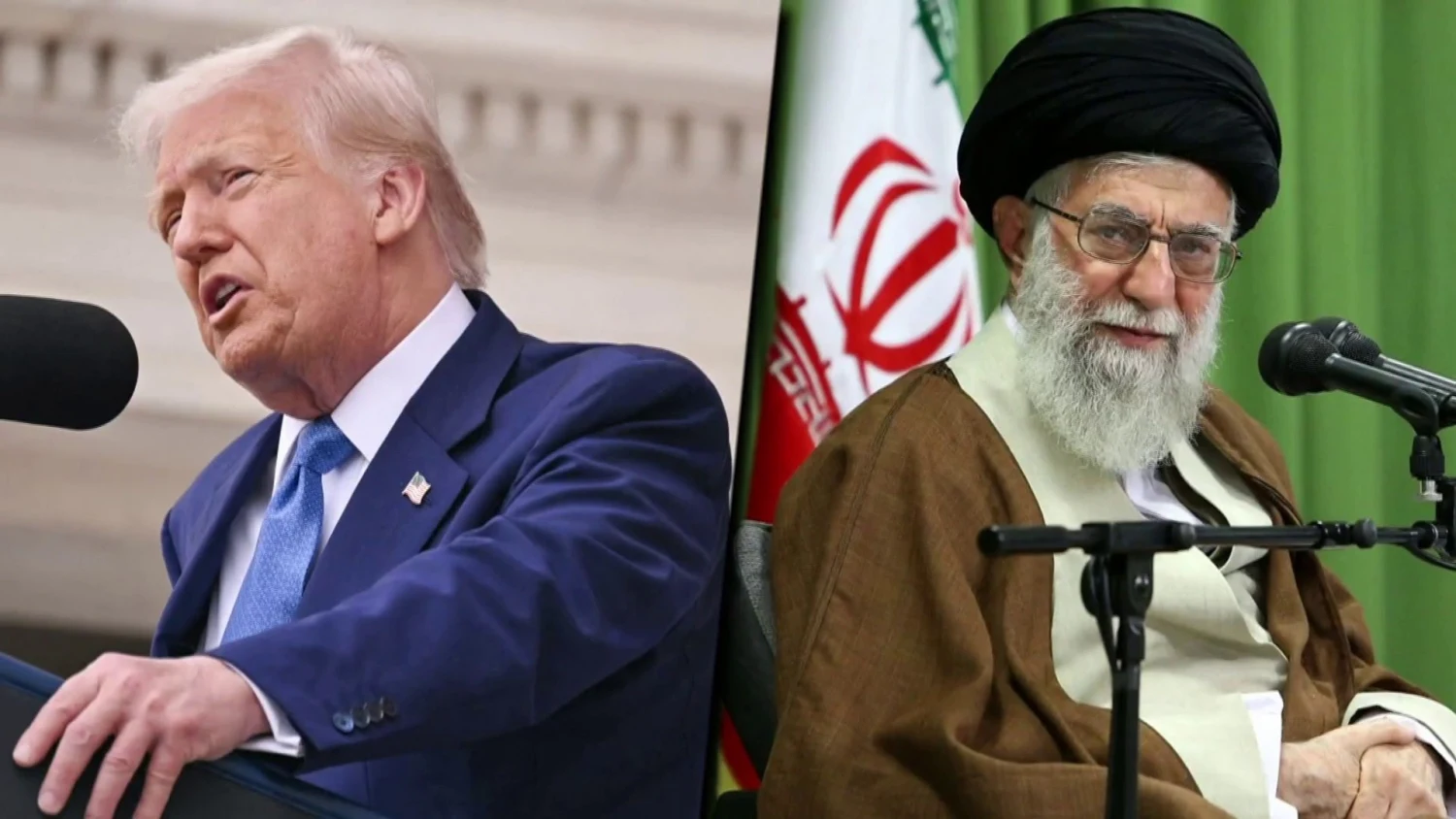
In the three weeks since the first Tomahawk missiles streaked across the Persian Gulf, President Donald Trump’s second-term gamble in Iran has reached a volatile inflection point.
As of March 22, 2026, the White House finds itself caught between the “unmatched success” of its air campaign and a grinding maritime reality that has brought global energy markets to their knees. With the USS Tripoli and 2,500 Marines of the 31st Marine Expeditionary Unit set to enter the war zone within the next 24 hours, the administration is weighing whether to double down on a “lightning victory” or initiate a risky, multi-national “escort” mission to break the Iranian blockade of the Strait of Hormuz.
The ‘Epic Fury’ Paradox
On paper, Operation Epic Fury has been a masterclass in kinetic power. According to a March 16 Pentagon fact sheet, U.S. and Israeli forces have:
- Struck over 7,000 targets across Iran.
- Destroyed more than 100 Iranian vessels.
- Conducted over 6,500 combat flights.
Yet, despite the “annihilation” of the Iranian Navy, Tehran has managed to turn the Strait of Hormuz into a “black hole” for global trade. Using a combination of sea mines, shore-based mobile batteries, and “nascent” IRGC registration systems, Iran has effectively cut off one-fifth of the world’s oil supply—triggering price shocks that Treasury Secretary Scott Bessent is now desperately trying to mitigate with a temporary 30-day lifting of sanctions on Iranian crude currently at sea.
A Fractured Coalition
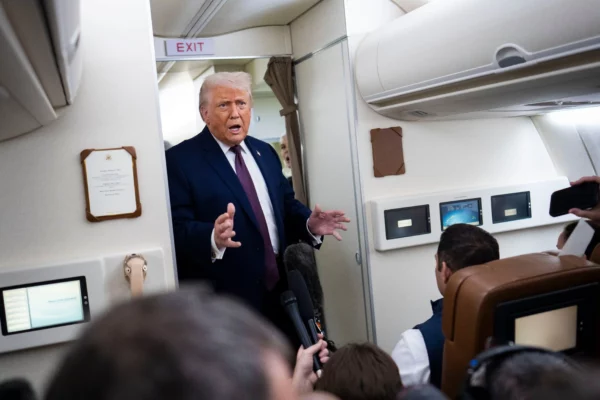
The “crossroads” for Trump is not just military, but diplomatic. On Monday, the President blasted allies—specifically naming Japan, China, South Korea, and the U.K.—for their reluctance to join a maritime coalition to secure the Strait.
“I’ve always felt that was a weakness of NATO,” Trump said, referencing Prime Minister Keir Starmer’s refusal to move beyond “defensive” operations. “We were going to protect them, but I always said when in need, they won’t protect us.”
While the U.S. insists it doesn’t “need help,” the reality of securing 33 kilometers of narrow, mine-infested water against a regime that has “nothing left to lose” is a task that even a “massive armada” finds daunting.
The Three Paths Forward
National Security Advisor Marco Rubio and Secretary of War Pete Hegseth are reportedly presenting the President with three distinct “endgame” options this week:
| Option | Strategy | Risk Level |
| 1. The ‘Safe Corridor’ | Using the 31st MEU to seize Iranian islands (like Kharg or Kish) to establish a permanently guarded shipping lane. | CRITICAL: High risk of a protracted ground war and Iranian retaliation against regional energy sites. |
| 2. The ‘Oil For Peace’ Pivot | Expanding the temporary sanctions relief into a formal ceasefire negotiation, trading an end to strikes for the reopening of the Strait. | MODERATE: Trump has expressed interest in “winding down,” but fears appearing weak to Tehran’s new Supreme Leader. |
| 3. The ‘Total Infrastructure’ Strike | Expanding Epic Fury to include Iran’s civilian power grid and domestic oil refineries to force a total collapse. | HIGH: Could trigger a humanitarian catastrophe and permanent regional instability. |
Conclusion: The ‘Ice Maiden’s’ Influence
Driving these deliberations is Chief of Staff Susie Wiles, who remains at her post despite a recent breast cancer diagnosis. Insiders suggest Wiles is the primary advocate for a “clear exit ramp,” wary that a fourth week of conflict could erase the domestic economic gains of the President’s first year back in office.
As the USS Tripoli nears the Gulf of Oman, the “Year of the Fire Horse” is lived up to its name. The President who promised to “end wars” now holds the keys to either the greatest maritime victory of the century—or a regional conflagration that no armada can quench.