
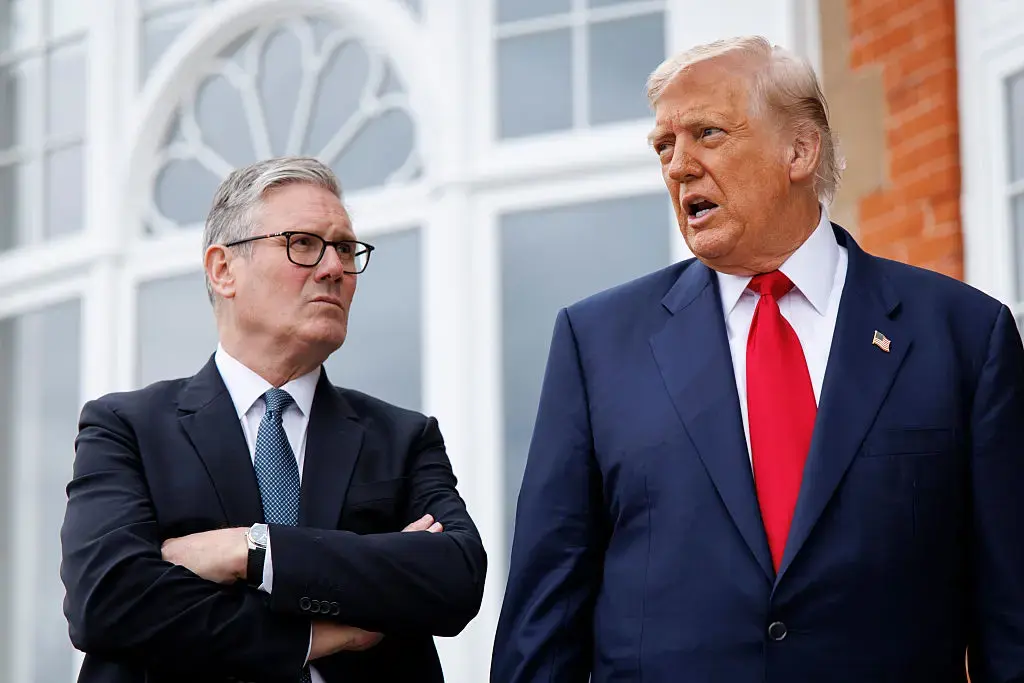
In a blistering rebuff that further widens the chasm in the “Special Relationship,” President Donald Trump has publicly rejected the United Kingdom’s consideration of sending aircraft carriers to the Middle East, mockingly telling Prime Minister Keir Starmer that the U.S. no longer requires British assistance to win the war with Iran.
The President’s comments, posted to his Truth Social platform late Saturday, marked the latest—and perhaps most personal—salvo in a week of intense friction between the two leaders.
“The United Kingdom, our once Great Ally, maybe the Greatest of them all, is finally giving serious thought to sending two aircraft carriers to the Middle East,” Trump wrote. “That’s OK, Prime Minister Starmer, we don’t need them any longer — But we will remember. We don’t need people that join Wars after we’ve already won!”
The Carrier Conundrum
Trump’s dismissal follows reports that the U.K. Ministry of Defence (MoD) had increased the readiness of the HMS Prince of Wales, reducing the time it would take for the carrier to deploy to the region. The move was widely seen in London as an attempt to signal continued solidarity with the U.S. and Israeli coalition following the intense week of conflict.
However, British officials have clarified that no final decision to deploy the vessel has been made. The MoD stated that the HMS Prince of Wales has been on high readiness as part of standard procedure, and the current increase in preparedness is a precautionary measure rather than a confirmed tactical commitment.
A Relationship in Freefall
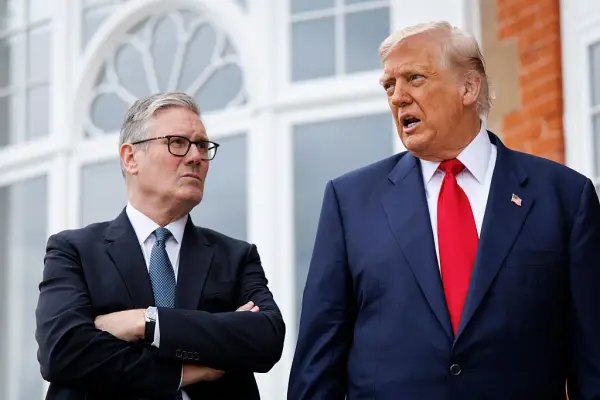
The President’s “you’re too late” jab is the latest escalation in a diplomatic dispute that began when Prime Minister Starmer initially declined to grant the U.S. permission to launch its initial wave of strikes against Iran from British airbases.
While Starmer later authorized the use of bases—including RAF Fairford and Diego Garcia—for what he defined as “specific and limited defensive operations” to protect British interests and regional allies, the damage to the Prime Minister’s standing in the White House appears profound.
Throughout the week, the President has aired his frustrations repeatedly:
- The ‘Churchill’ Jab: Earlier this week, Trump publicly lamented that Starmer was “not Winston Churchill,” expressing deep disappointment over the U.K.’s refusal to join the offensive phase of the conflict.
- Base Access: The President has openly complained about the logistical delays he faced while seeking approval to utilize British-controlled facilities, describing the process as “very, very uncooperative.”
- Wider Policy Clashes: Beyond the war in Iran, Trump has recently attacked the Prime Minister over his handling of the Chagos Islands sovereignty deal, North Sea energy policy, and U.K. immigration, suggesting that the current relationship is “sadly not what it once was.”
Starmer Stands Firm
Prime Minister Starmer has defended his stance, arguing that his duty is to act strictly in the national interest of the United Kingdom, which includes avoiding “regime change from the skies” and ensuring that all military engagement has a clear, lawful, and thought-through strategy.
While the Labour government has authorized defensive measures, including deploying additional Typhoon jets to Qatar and anti-drone capabilities to Cyprus, Starmer has been adamant that Britain will not be drawn into a wider offensive conflict without a viable plan.
As the conflict in the Middle East enters its second week, the U.K. finds itself in a precarious position: attempting to provide vital defensive support to its allies while resisting the pressure from the White House to sign on to the wider objectives of “Operation Epic Fury.” For now, it is clear that the President has little interest in the U.K.’s late-stage contributions, and the “Special Relationship” remains under unprecedented strain.