
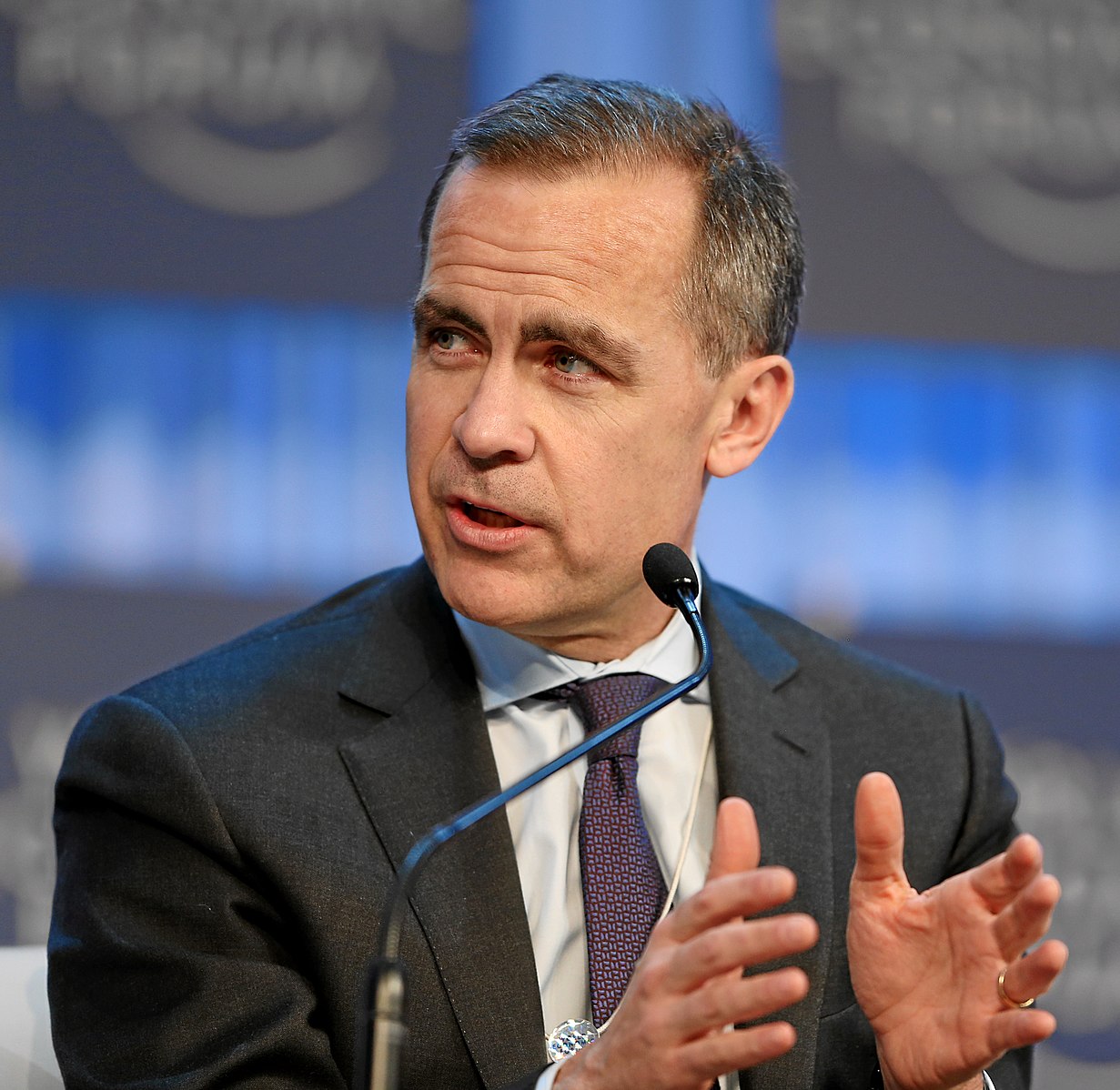
OTTAWA — In a direct challenge to the White House’s version of events, Canadian Prime Minister Mark Carney on Tuesday flatly denied claims that he apologized for or retracted his blistering Davos address during a private phone call with President Donald Trump.
The clash of narratives began late Monday after U.S. Treasury Secretary Scott Bessent told Fox News that he was in the Oval Office when Trump spoke to Carney. According to Bessent, the Canadian leader was “very aggressively walking back some of the unfortunate remarks he made at Davos” during the 30-minute conversation.
Arriving for a cabinet meeting on Parliament Hill Tuesday morning, Carney was asked point-blank if he had recanted.
“No,” Carney said, rolling his eyes at the mention of Bessent’s comments. “To be absolutely clear—and I said this to the President—I meant what I said in Davos. Canada was the first country to understand the change in U.S. trade policy that he initiated, and we’re responding to that.”
The Speech That Shook the Alps
The dispute centers on Carney’s keynote at the World Economic Forum last week, where he received a standing ovation for describing the current global state as a “rupture” in the rules-based order. While he did not name the President directly, he warned against “great powers using economic integration as weapons” and famously told mid-sized nations, “If you are not at the table, you are on the menu.”
Trump responded at the time by dismissing the speech as “globalist” and issuing a sharp reminder that “Canada lives because of the United States.”
A Tense Diplomacy of Dueling Accounts
The discrepancy between Ottawa and Washington suggests a deeply fractured diplomatic channel as the two nations prepare for a mandatory review of the USMCA trade pact this summer.
The Two Versions of the Monday Call:
- The White House Version (via Scott Bessent): Carney was apologetic and “aggressively” backpedaling to avoid the 100% tariff threat Trump leveled over Canada’s recent trade deal with China.
- The Ottawa Version (via Mark Carney): The call was “very good” and “constructive,” covering Arctic security, Ukraine, and Venezuela. Carney claims he stood his ground, explaining that Canada’s “narrow” China deal is a pragmatic response to U.S. protectionism.
“He was impressed,” Carney told reporters, referring to Trump’s reaction to Canada’s plan to sign 12 new trade deals across four continents in six months. “The President is a strong negotiator, and I think some of these comments and positioning should be viewed in that broader context.”
The China Factor and Tariff Threats
The backdrop to the “walk-back” controversy is the President’s threat of a 100% tariff on Canadian goods—a move sparked by Carney’s agreement with Beijing to lower levies on Canadian canola in exchange for allowing 49,000 Chinese electric vehicles into the Canadian market.
The Trump administration views the deal as a “backdoor” for Chinese products, while Carney has insisted the arrangement is consistent with North American trade rules and necessary for Canadian “strategic autonomy.”
| Topic | Trump Administration View | Carney Administration View |
| Davos Speech | An insult to U.S. leadership. | A “naming of reality” for middle powers. |
| China Trade | A “Trojan Horse” for Chinese EVs. | A capped, narrow deal to protect farmers. |
| USMCA Review | A chance to demand concessions. | A routine review of a shared partnership. |
‘We Must Defend Our Sovereignty’
The defiant tone from Ottawa marks a significant shift in the Canada-U.S. relationship. By publicly contradicting a senior U.S. cabinet official, Carney is signaling that he will not be intimidated by the “maximum pressure” tactics that have become the hallmark of the current administration’s foreign policy.
“Canada doesn’t live because of the United States. Canada thrives because we are Canadian,” Carney told his cabinet Tuesday, echoing his Quebec City speech from earlier in the week.
As the USMCA review approaches, the “he-said, he-said” nature of this phone call underscores a uncomfortable truth for 2026: the world’s longest undefended border is now home to one of its most volatile diplomatic standoffs.