
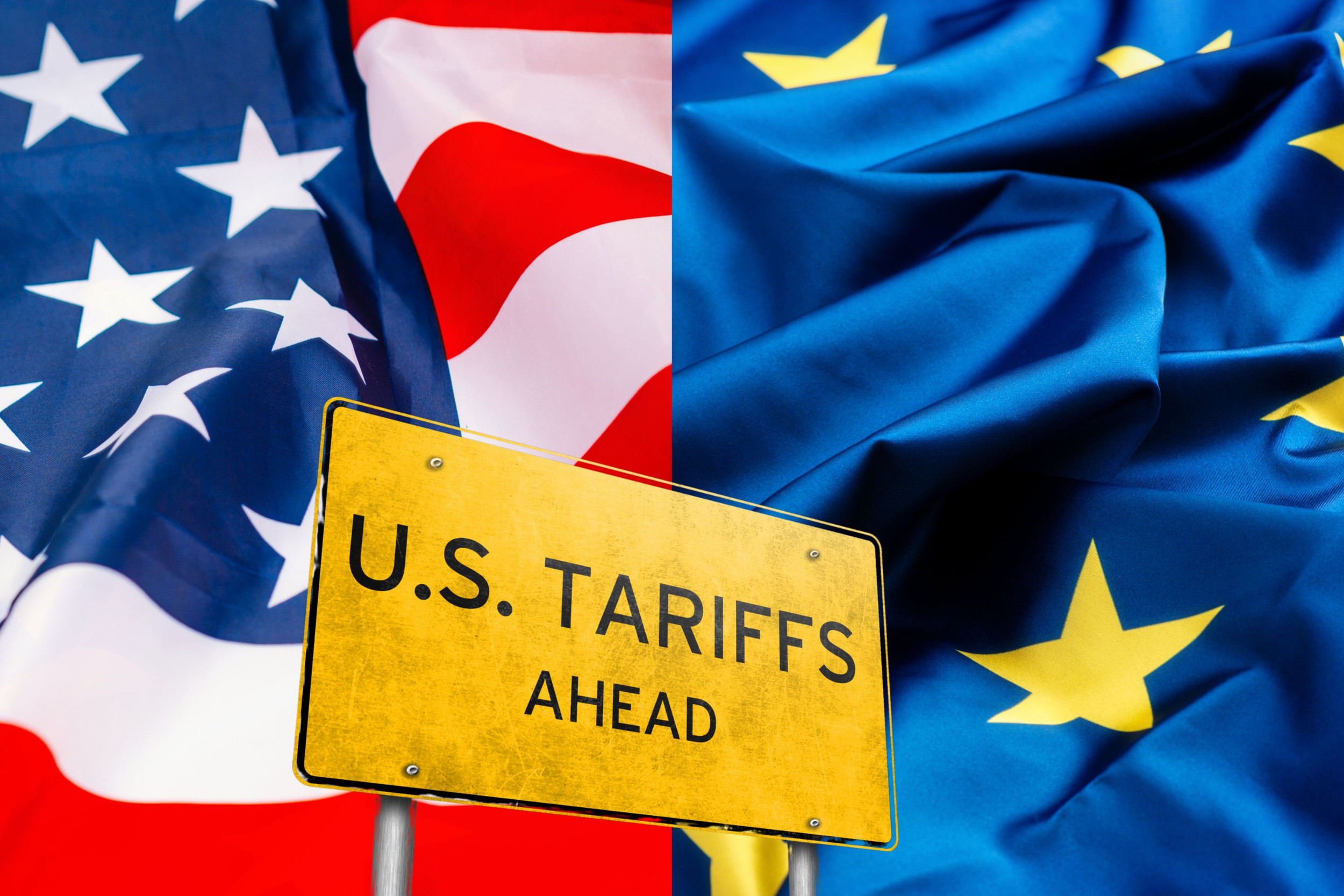
STRASBOURG — Transatlantic trade relations reached a historic breaking point on Tuesday as the European Parliament moved to indefinitely suspend the ratification of a landmark trade agreement with the United States.
The decision, backed by a rare consensus of the Parliament’s three largest political blocs, is a direct response to President Donald Trump’s weekend ultimatum. In a series of social media posts, the President threatened to impose an escalating 10-to-25 percent tariff on a coalition of European nations—including France, Germany, and the Netherlands—unless they abandon their opposition to a U.S. acquisition of Greenland.
“When friends shake hands, it must mean something,” European Commission President Ursula von der Leyen said from the World Economic Forum in Davos, referencing the preliminary deal signed last summer. “If one side changes the terms after the fact, trust is lost.”
A Coalition of Defiance
The suspension marks the first time Brussels has used its collective trade might to respond to what lawmakers are calling “territorial extortion.”
Manfred Weber, leader of the center-right European People’s Party (EPP), spearheaded the freeze. Historically a pro-trade Atlanticist, Weber’s pivot signaled that the President’s Greenland policy has alienated even his most reliable allies in Europe.
“The EPP is in favor of the EU-U.S. trade deal, but given Donald Trump’s threats regarding Greenland, approval is not possible at this stage,” Weber stated. “The 0% tariffs on U.S. products must be put on hold.”
Joining the EPP in the “Deep Freeze” are the Socialists and Democrats (S&D) and the liberal Renew Europe group. Together, they represent a firewall that makes any future ratification of the July 2025 pact—which had already reduced U.S. tariffs on European goods from 30% to 15%—virtually impossible.
The ‘Trade Bazooka’ Looms
The suspension of the trade deal is viewed by many in Brussels as the “first step” in a broader escalatory ladder. As EU ambassadors prepare for an emergency summit on Thursday, the bloc is actively discussing the activation of its Anti-Coercion Instrument (ACI).
Often referred to as the “Trade Bazooka,” the ACI would allow the EU to launch a massive retaliatory package, including:
- Counter-Tariffs: Re-activating a suspended €93 billion list of duties on iconic American exports.
- Market Restrictions: Barring U.S. firms from bidding on lucrative European public contracts.
- Digital Sanctions: Imposing new taxes or operational curbs on American tech giants and streaming services.
The Greenland Deadlines
The urgency in Brussels is driven by the President’s “ticking clock.” Under the White House plan, the initial 10% levy hits on February 1, targeting the “Greenland Eight”—a group of allies that includes the UK and Norway alongside EU members.
| Date | U.S. Action Planned | European Status |
| Feb 1, 2026 | 10% “Secondary Tariff” begins | EU-US Trade Deal officially suspended. |
| Feb 6, 2026 | Existing tariff waivers expire | Possible launch of €93bn retaliatory package. |
| June 1, 2026 | Tariffs rise to 25% | Potential full-scale trade war / ACI activation. |
A Warning from Davos
While European leaders like Emmanuel Macron have used the Davos stage to condemn “new colonialism,” U.S. Treasury Secretary Scott Bessent urged restraint. Speaking on Tuesday, Bessent argued that the President views Greenland as essential for a “golden dome” missile shield and warned Europe that retaliation would be “very unwise.”
“Do not escalate,” Bessent told the global elite. “The President will be here tomorrow. He will get his message across.”
But for a Europe that feels increasingly “blackmailed” over the sovereignty of the Arctic, the message may already be too late. As the Parliament prepares its formal announcement for Wednesday in Strasbourg, the “pleasant fiction” of a stable transatlantic partnership appears to have finally dissolved.