
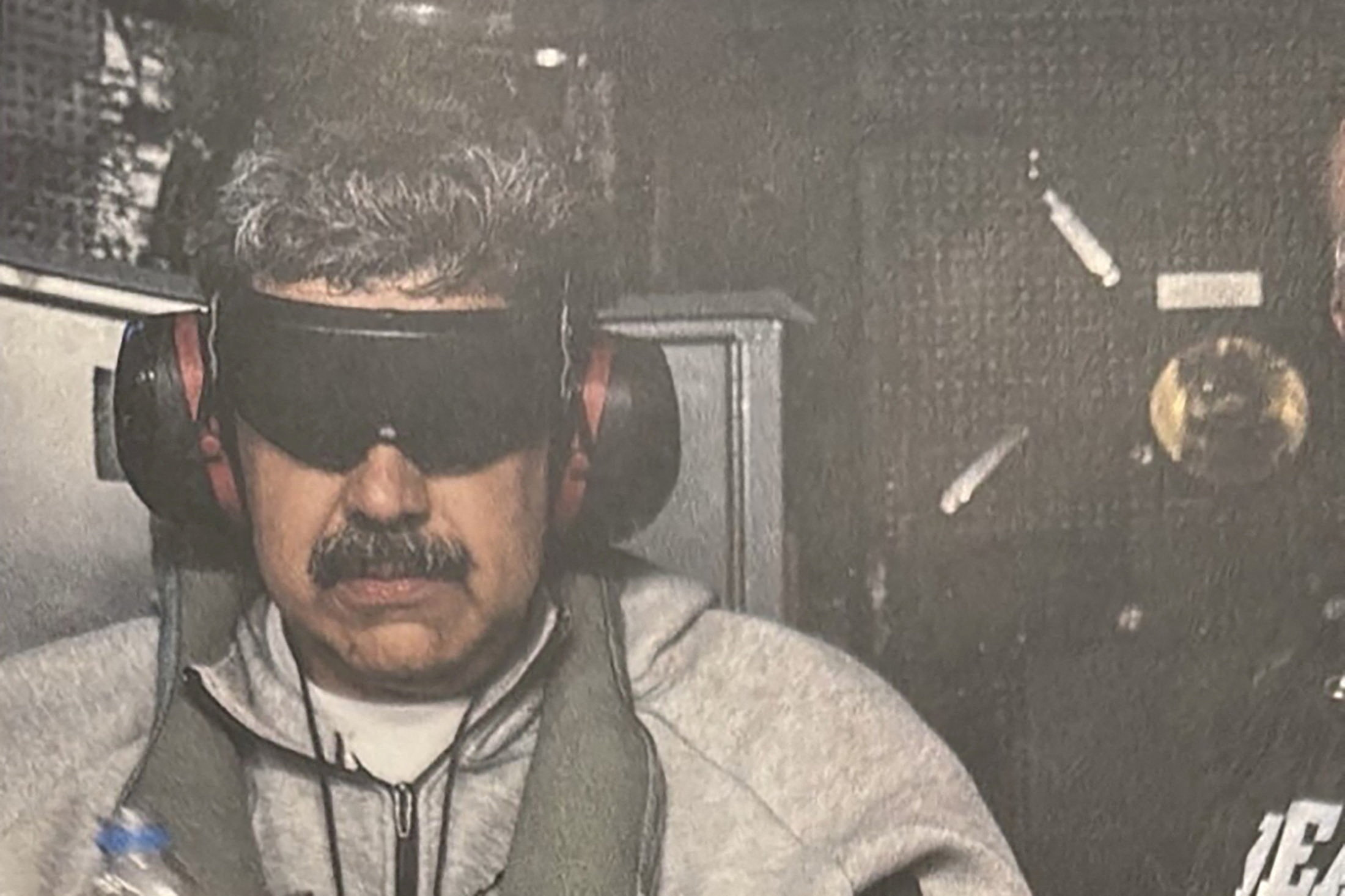
The capture of Nicolás Maduro by U.S. forces has triggered a diplomatic earthquake, splitting the international community into camps of fierce condemnation, cautious neutrality, and celebratory endorsement. As the UN Security Council prepares for an emergency session on Monday, the global reaction highlights a deepening rift between those prioritizing “democratic legitimacy” and those defending the “sanctity of sovereignty.”
From Moscow to Buenos Aires, the world’s power centers are grappling with the reality of a revived Monroe Doctrine and the most significant unilateral U.S. military intervention in decades.
The ‘Axis of Outrage’: Russia, China, and Iran
The sharpest rebukes came from Moscow and Beijing, both of whom have significant economic and geopolitical stakes in the Maduro regime.
- Russia: The Foreign Ministry condemned the operation as an “act of armed aggression,” calling for Maduro’s immediate release. “The pretexts used to justify these actions are untenable,” a Kremlin spokesperson stated, warning that the raid sets a “dangerous precedent” for international order.
- China: Beijing expressed deep “shock” at what it termed “hegemonic behavior.” A spokesperson for the Chinese Foreign Ministry emphasized that “no country has the right to use force to overthrow the leader of a sovereign state,” urging Washington to return to the principles of the UN Charter.
- Iran: Tehran labeled the capture a “blatant breach of international law,” with military commanders warning that American “arrogance” would eventually meet a regional response.
South America: A Continent Cleaved
In Latin America, the reaction followed sharp ideological lines, reflecting the region’s long and painful history with U.S. intervention.
- The Critics: Brazilian President Luiz Inácio Lula da Silva led the continental opposition, stating the U.S. had “crossed an unacceptable line.” Colombian President Gustavo Petro and Mexican President Claudia Sheinbaum echoed these sentiments, with Petro warning that “without sovereignty, there is no nation.”
- The Supporters: Conversely, Argentine President Javier Milei celebrated the news with his trademark fervor, posting “Liberty advances!” on social media. Ecuador’s Daniel Noboa also welcomed the move, stating that the time has come for “narco-criminals” to face justice.
The ‘European Tightrope’ and the UN
In Europe and at the United Nations, the rhetoric has been more measured, attempting to balance a distaste for Maduro’s rule with a commitment to the “rules-based order.”
“The EU has repeatedly stated that Mr. Maduro lacks legitimacy… however, under all circumstances, the principles of international law and the UN Charter must be respected.” — Kaja Kallas, EU Foreign Policy Chief
- United Kingdom: Prime Minister Sir Keir Starmer took a cautious stance, stating that while the UK “sheds no tears” for the end of the Maduro regime, it remains imperative to “establish the facts” regarding the legality of the military action.
- France and Spain: Both nations expressed “great concern” over the use of force, calling for a “dialogued and democratic transition” rather than a solution imposed by external military might.
- United Nations: Secretary-General António Guterres is reportedly “deeply alarmed,” with his spokesperson warning that the operation threatens regional stability.
The Monday Showdown
The UN Security Council is scheduled to meet at 10:00 AM on Monday at the request of Colombia, with the backing of Russia and China. The session is expected to be one of the most contentious in recent years, as the U.S. prepares to defend the legality of its “narco-terrorism” warrants against the broader international principle of non-intervention.
As Maduro remains in federal custody in Brooklyn, the world’s leaders are forced to answer a singular, uncomfortable question: In the 21st century, does the removal of a dictator justify the suspension of international law?