
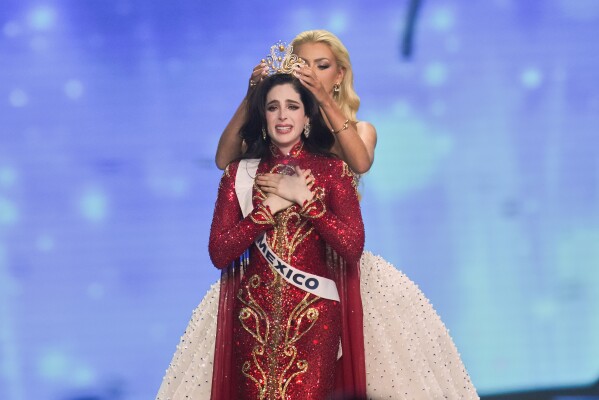
BANGKOK, THAILAND—In a dramatic finale that capped off the most controversial staging of the pageant in years, Fátima Bosch Fernández of Mexico was crowned Miss Universe 2025 on Friday. The victory is a potent symbol of vindication for the 25-year-old, who captured global attention weeks ago by walking out of a pre-pageant event after being publicly berated by a local organizer.
Bosch’s win marks the fourth time Mexico has claimed the Miss Universe title, but this victory transcends national pride—it has been hailed as a powerful moment for female dignity and a clear rebuke of bullying within the highly scrutinized world of pageantry.
The Confrontation: ‘Not Respecting Me as a Woman’
The drama unfolded in early November during a live-streamed sashing ceremony in Bangkok. Nawat Itsaragrisil, the Thai national director and a senior executive of the organization, publicly confronted Bosch in front of dozens of contestants, accusing her of failing to follow guidelines on promoting the event on social media.
When Bosch attempted to defend herself and explain her absence from a promotional shoot, the executive reportedly escalated the situation, summoning security and allegedly calling her a “dumbhead”—a claim Itsaragrisil later tearfully denied but for which he did apologize.
In a pivotal moment of defiance that went viral worldwide, Bosch stood her ground. “You are not respecting me as a woman, nor as a representative of my country,” she stated, before choosing to walk out of the room. Several other contestants, including the reigning Miss Universe, Victoria Kjær Theilvig of Denmark, immediately joined her in a dramatic show of solidarity.
Mexican President Claudia Sheinbaum publicly praised the contestant at the time, calling Bosch an “example of how we women should speak out” in the face of aggression.
Resilience Takes the Stage
The controversy hung over the remainder of the competition, which saw additional turbulence, including the resignations of two judges who raised concerns over the transparency of the selection process.
However, Bosch, who had been diagnosed with dyslexia and ADHD as a child, channeled the public scrutiny into a message of empowerment that resonated strongly with the judges and the global audience.
When asked in the final question round how she would use the Miss Universe platform to inspire and empower young girls, her answer was a direct reflection of her recent experience:
“Believe in the power of your authenticity. Your dreams matter, your heart matters. Never let anyone make you doubt your worth, because you are deserving of everything, you are powerful, and your voices must be heard.”
This message of resilience and authenticity appeared to seal her fate. As outgoing Queen Victoria Kjær Theilvig placed the crown on her head, Bosch broke down in tears, embracing the moment as both a personal and political victory.
Speaking to the media after her win, Bosch stated that she would like to be remembered as a person who “changed a little bit the prototype of what is a Miss Universe and a real person that gives the heart.”
The first runner-up was Praveenar Singh of Thailand, followed by Stephany Adriana Abasali Nasser of Venezuela. For Fátima Bosch, the crown is a testament that standing on one’s dignity, even on a global stage, can lead to the ultimate vindication.