
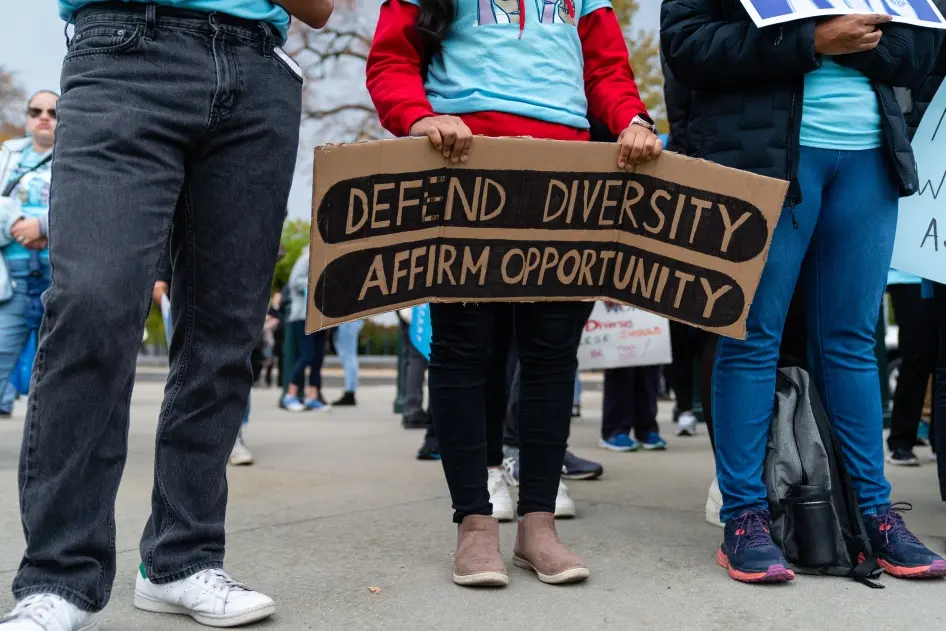
In a radical overhaul of the U.S. approach to global human rights, the Trump administration has introduced sweeping new guidelines for its annual country reports, effectively classifying traditional Diversity, Equity, and Inclusion (DEI) and affirmative action policies worldwide as potential violations of fundamental individual rights.
The new instructions, issued by the State Department under Secretary of State Marco Rubio, mark a dramatic departure from decades of established practice, prioritizing what officials call “merit-based opportunity” and framing race- and gender-conscious policies as a form of “illegal discrimination.”
The New Yardstick: Meritocracy Over Margin
The shift is most visible in the guidance for U.S. diplomats preparing the widely cited annual Country Reports on Human Rights Practices. Moving forward, embassies and consulates are explicitly ordered to:
- Scrutinize Affirmative Action: Diplomats must collect data on other governments’ policies that “provide preferential treatment” to job applicants or students based on race, gender, or national origin. The underlying policy, reiterated in a recent Executive Order, deems such preferences discriminatory and contrary to the U.S. legal principle of “colorblind equality.”
- Emphasize “Creator-Endowed” Rights: The entire focus of the reports is being re-centered on “unalienable rights endowed by the Creator,” a foundation drawn from the Declaration of Independence. This shift aims to sideline internationally agreed-upon standards, such as those related to minority rights and gender equality, in favor of a narrower, U.S.-centric interpretation.
- Flag Gender and Abortion Issues: In a further move that breaks from past reports, diplomats are instructed to extensively document state subsidization of abortions, the estimated number of abortions performed annually, and the prevalence of gender-affirming care for minors, which officials refer to as “chemical or surgical mutilation of children.”
Clash with Global Standards
The new directive places the United States at odds with global human rights norms, which often support temporary special measures (like affirmative action or DEI frameworks) to redress historical and systemic discrimination against marginalized groups.
UN human rights experts, in a rare joint statement earlier this year, expressed “deep concern” over the domestic anti-DEI policies of the administration and urged businesses and governments worldwide to “act in accordance with international human rights law and standards, regardless of government actions.” They warned that the U.S. action reverses years of progress in creating inclusive societies.
Critics, including Amnesty International USA, argue that the administration is ignoring the defined, legal purpose of the Congressional-mandated reports—which traditionally focus on abuses like torture, political killings, and the persecution of minority groups—in favor of a politically motivated, “religiously tinged view of human rights.”
Domestic Policy Gone Global
The policy reflects the President’s domestic campaign against DEI. Since taking office, Mr. Trump has issued multiple executive orders to terminate DEI programs across the entire federal government and has threatened to withhold federal funds from universities that maintain such practices, arguing that they are “illegal” and undermine merit.
By integrating this anti-DEI stance into its global human rights reporting, the administration is effectively using its diplomatic influence to promote its domestic political agenda, signaling to the world that adherence to traditional diversity policies will now be viewed through the lens of a human rights infringement by the U.S. State Department.