
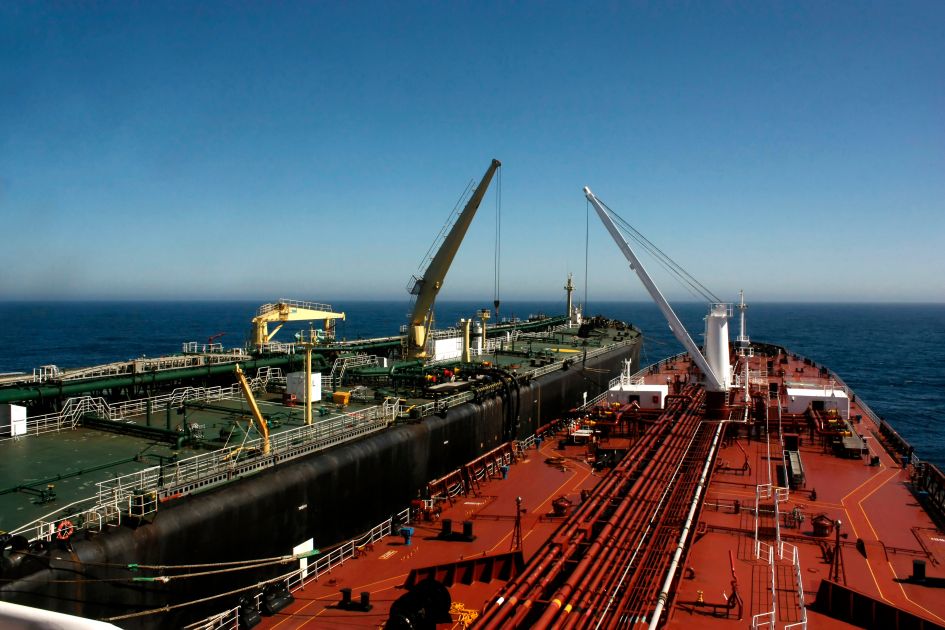
COPENHAGEN, DENMARK—The front line in Europe’s economic war with Russia is no longer confined to frozen bank accounts or border checkpoints. It is the open sea, where a vast, clandestine network of hundreds of aging, poorly insured oil tankers—dubbed the “shadow fleet”—is defying Western sanctions and carrying billions of dollars in Russian oil to global markets.
European coastal authorities, from the Baltic to the Mediterranean, are now engaged in a risky game of cat-and-mouse with this shadowy armada, whose unchecked operations pose a severe triple threat: sanctions evasion, hybrid security risk, and impending environmental catastrophe.
The Fleet: Old Ships, Obscure Owners
The Russian shadow fleet is a direct response to the G7 price cap and the EU’s embargo on seaborne Russian oil imports. To circumvent these restrictions, Moscow has rapidly amassed a fleet estimated to number between 600 and 1,400 vessels, primarily consisting of tankers well past their safe operational lifespan.
- The Evasion Playbook: These ships operate by employing deceptive practices, often resorting to disabling their Automatic Identification Systems (AIS) to vanish from tracking, carrying falsified cargo documents, and conducting risky ship-to-ship (STS) transfers of oil in open waters, far from official ports.
- Safety Time Bomb: The majority of these vessels lack proper Western insurance and are registered under dubious “flags of convenience” in jurisdictions with minimal oversight. Experts warn that the ships are highly prone to engine failure, collisions, and groundings, raising the specter of a major oil spill in European coastal waters or sensitive zones like the Danish Straits or the Bosphorus.
The Danish Straits and Europe’s Response
The most critical choke point for the shadow fleet is the narrow waterway connecting the Baltic Sea to the North Sea, through which dozens of these vessels pass daily.
The European Union has struggled to effectively police this network due to the legal complexity of international waters, but enforcement is escalating:
- Expanded Sanctions: The EU’s 19th sanctions package, adopted in October, significantly expanded the blacklist to over 550 vessels in the shadow fleet. These sanctioned ships are banned from accessing EU ports and receiving any maritime services.
- Boarding and Inspection Power: In a sharp escalation, the European External Action Service (EEAS) is moving forward with a proposal to grant member states the power to board and inspect vessels suspected of breaching sanctions or posing a clear maritime safety risk. France, Estonia, and Germany have already demonstrated a willingness to detain suspect tankers.
- Hybrid Threat Concerns: Beyond oil, European intelligence has raised alarm that some shadow fleet vessels have been used to carry surveillance equipment, conduct hybrid attacks, or tamper with critical undersea infrastructure, such as communication cables and pipelines, further blurring the line between economic evasion and state-sponsored aggression.
As the shadow fleet continues to transport an estimated 70% of Russia’s seaborne oil exports, funding the Kremlin’s war machine, the confrontation on the high seas is set to intensify, placing immense pressure on coastal nations to choose between minimizing confrontation and upholding the integrity of the sanctions regime.