
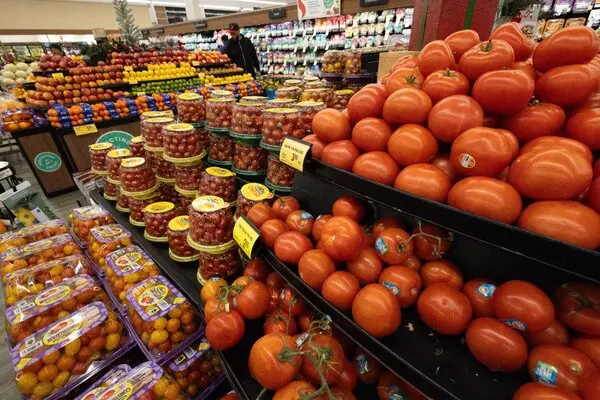
In a significant and sudden shift in economic policy, the Trump administration announced late Friday that it is rolling back its “reciprocal” tariffs on dozens of imported food and agricultural products, acknowledging the intense public pressure over spiraling grocery bills that have vexed American consumers.
The move, formalized through an executive order, will immediately lift levies on hundreds of common items, including coffee, tropical fruits like bananas and avocados, spices, and certain cuts of beef, in a direct attempt to ease the mounting cost-of-living crisis.
The Consumer Revolt Forces a Policy U-Turn
The decision marks a dramatic, if politically necessary, retreat from one of President Trump’s core economic pillars: the use of broad, universal tariffs to force reciprocal trade deals. The tariffs, implemented earlier this year, were designed to counter what the administration termed “unfair” trade deficits but have been blamed by economists for contributing to domestic inflation.
- Inflationary Pressure: A recent analysis from the Federal Reserve Bank of St. Louis estimated that the tariffs imposed this year have added as much as 0.5 percentage points to the nation’s headline inflation rate. Businesses, who pay the tariffs at the border, have passed on a substantial portion of these costs to consumers.
- Political Context: The rollback comes less than two weeks after Democrats achieved notable success in off-year elections, focusing their campaigns heavily on issues of affordability and the high price of everyday goods. The White House has faced increasing pressure from within its own party to address the visible signs of economic anxiety felt by voters at the supermarket checkout.
Treasury Secretary Scott Bessent had signaled the change earlier this week, telling reporters that the administration would be making “substantial” announcements on tariff exemptions for “things we don’t grow here,” specifically naming coffee and bananas, with the goal of bringing prices down “very quickly.”
The Details: What Gets Exemption?
The new executive order exempts a broad range of products from the “reciprocal tariffs” that were imposed on most U.S. trading partners in April. The tariff relief applies to goods from both countries that have recently secured trade deals with the administration (like Argentina, Guatemala, and Ecuador) and those that have not.
Key products exempted from the duties include:
- Beverages: Coffee and cocoa beans.
- Fruits and Produce: Bananas, pineapples, avocados, and citrus fruits.
- Proteins: Certain grades of imported beef (including Argentinian beef, a politically sensitive concession to a new trade partner).
- Spices and Herbs: A wide array of spices used in food preparation.
U.S. Trade Representative Jamieson Greer defended the initial use of the tariffs as “incredibly successful” on a macro level, but acknowledged that the tariffs on goods produced almost entirely abroad—where there is no domestic industry to protect—were not necessary for leverage.
The tariff exemptions are effective immediately and retroactively to Thursday.
Rift with Ranchers
The most controversial element of the rollback involves beef. The plan to lower tariffs and potentially expand imports of beef, especially from Argentina, has caused a rift with a critical Republican constituency: American ranchers.
Domestic cattle producers argue that allowing an influx of cheaper foreign beef undermines the administration’s own stated goal of boosting domestic production and threatens the profitability of U.S. family farms. A senior administration official, however, argued that opening up trade with newly aligned partners would ultimately have a positive effect on consumer prices, providing much-needed relief to struggling household budgets.
While the full economic impact remains to be seen, the decision marks a rare, public recalibration of the President’s aggressive trade strategy in response to the political realities of American households squeezed by the rising cost of putting food on the table.