
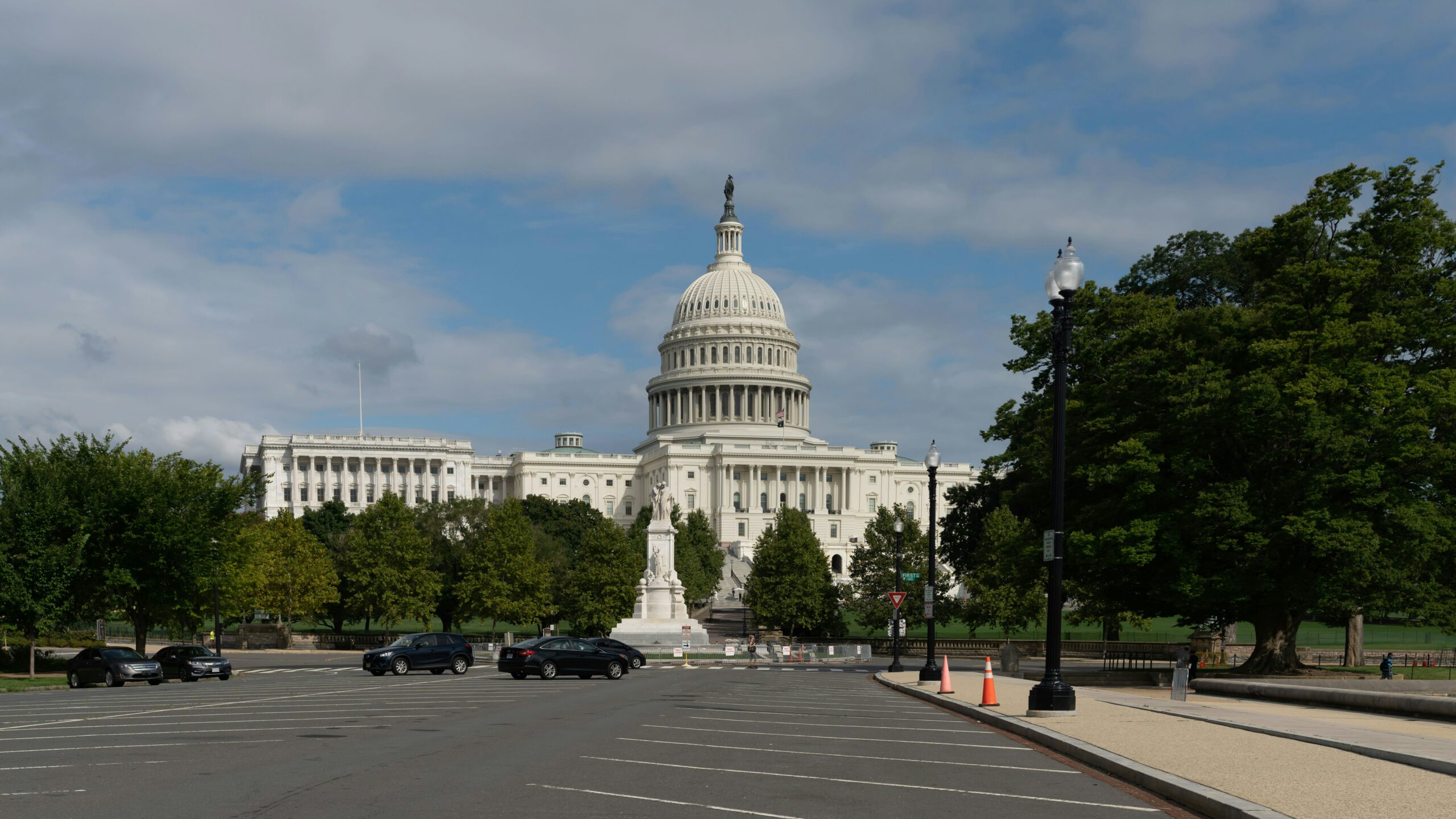
Capitol Hill’s Uneasy Truce: Government Reopens Amid Looming Fiscal Battles and Epstein Revelations
WASHINGTON, D.C.— Capitol Hill is abuzz with a fragile sense of relief as the U.S. government teeters on the brink of reopening after a protracted shutdown. Yet, beneath the surface of this immediate resolution, a deeper acrimony persists, fueled by partisan divides over spending, healthcare, and the explosive release of documents related to the late financier Jeffrey Epstein. Washington finds itself navigating a precarious political landscape, where legislative battles are inextricably linked to the approaching midterm elections and the shadow of past controversies.
The House, reconvening after a 50-day hiatus, is poised to vote on a spending bill that will avert a full government closure. However, the agreement offers little solace to those concerned about long-term fiscal stability, with the threat of another shutdown looming large in January.
The Fiscal Cliff: A Temporary Reprieve
The journey to reopen the government has been fraught with tension, reflecting the deep ideological chasm between Democrats and Republicans. Democratic lawmakers have vociferously opposed the Republican-led spending initiatives, characterizing them as detrimental to public welfare. “House Democrats are strongly opposed to this partisan Republican spending bill that continues to gut the health of the American people,” one lawmaker stated, encapsulating the sentiment of the opposition.
Congresswoman Suzan DelBene (D-WA), Chair of the Democratic Congressional Campaign Committee (DCCC), articulated the Democratic position, emphasizing the human cost of the legislative impasse. “Standing up for the American people is absolutely worth it. Folks are struggling with skyrocketing costs that have happened under the policy of this administration,” DelBene asserted. She criticized Republicans for being “blindly loyal to Donald Trump” and unwilling to address rising healthcare, housing, food, and energy costs.
The DCCC, under DelBene’s leadership, is already sharpening its campaign messaging for the upcoming midterms, vowing to hold Republicans accountable for their votes. “We will target specific Republicans who voted to not fund SNAP benefits,” DelBene declared, signaling a clear strategy to reclaim the House majority by highlighting the impact of Republican policies on working families.
Republicans, for their part, have cast the shutdown as a consequence of Democratic “hostage-taking.” Congressman Bryan Steil (R-WI) echoed this sentiment, stating, “We should have never shut the federal government down, no one benefits. A lot of people were hurt.” He argued against negotiating under duress, particularly regarding Obamacare subsidies, and called for a return to “regular order” in the appropriations process.
Despite the imminent reopening, the consensus among political strategists is that this is merely a temporary truce. Sarah Chamberlain, a Republican strategist, placed the odds of another shutdown in January at “50/50,” underscoring the persistent challenges in achieving bipartisan consensus on critical spending bills.
Epstein Files: A Political and Legal Conflagration
Simultaneously, Washington is grappling with the fallout from the newly released emails related to Jeffrey Epstein, the disgraced financier. These documents, unsealed by the House Oversight Committee, have intensified scrutiny on prominent figures, notably former President Donald Trump. One email reportedly alleged Trump knew of Epstein’s actions, a claim Trump has vehemently and repeatedly denied. His campaign has dismissed the revelations as a “distraction for the Democrats as they try to navigate the shutdown,” according to Karoline Leavitt, a Trump spokesperson. “These emails prove absolutely nothing other than the fact President Trump did nothing wrong,” Leavitt affirmed.
The push for full transparency surrounding the Epstein files has gained significant momentum. The swearing-in of Arizona Congresswoman Adelita Grijalva notably marked a turning point, as she immediately signed a discharge petition aimed at forcing a floor vote on the documents’ release. This procedural maneuver, requiring 218 signatures, is now expected to bring the matter to a vote in early December.
The issue, however, reveals fissures even within the Republican ranks. While some, like Congressman Tim Burchett (R-TN), expressed skepticism about the files’ content and decried the political opportunism surrounding their release, he also acknowledged the victims’ desire for answers. Burchett recounted a closed-door meeting with victims, noting some wished for the files’ release to understand their past, while others opposed it for privacy reasons. He emphasized the need for a “process of rifling through the thousands of pages to protect some of those people.”
Sarah Krissoff, a former federal prosecutor and partner at Cozen O’Connor, highlighted the legal complexities. While the released emails are “certainly not good for [Trump],” she noted that “you have to read between the lines and make a lot of inferences.” Krissoff also pointed out the fragmented nature of the information, emerging from various forums including Congress, litigation against banks, and Department of Justice investigations, making a comprehensive assessment challenging for the public. The debate over the files thus encapsulates a broader struggle between public demand for accountability and the political machinations of Washington.
The Enduring Battle Over Healthcare Costs
The government shutdown debate also illuminated the persistent and deeply divisive issue of healthcare. Democrats have consistently argued for extending Obamacare subsidies, framing it as essential to combat “skyrocketing health care costs.” However, Republicans have resisted this, viewing it as perpetuating a flawed system.
Congressman Steil articulated the Republican critique, arguing that the Affordable Care Act’s subsidies, particularly those drafted by Democrats, were “ripe with waste, fraud and abuse,” often “padding the pockets of insurance companies” rather than genuinely benefiting families. He advocated for a focus on market forces and directing federal tax dollars to those most in need. “What the President is talking about, providing resources to families instead of insurance companies, is putting the power back in the consumer’s hands,” Steil remarked, referencing potential reforms.
The DCCC’s strategy, as outlined by Rep. DelBene, directly links healthcare affordability to the upcoming elections. “Affordability is the number one issue and Republicans have done nothing but raise prizes for working families,” she stated, indicating that Democratic campaigns will aggressively challenge Republican incumbents on their healthcare stances. The impending expiration of premium subsidies at year-end further amplifies the urgency of this debate, with political strategists like Roger Fisk suggesting that healthcare news “comes to the kitchen table in the fall” and can significantly impact voter sentiment.
Beyond the Headlines: A Broader Washington Agenda
Amidst these high-stakes political dramas, other significant issues are vying for attention. The House Financial Services Committee is reportedly set to hold a hearing on a potential stock trading ban for members of Congress, a move supported by Congressman Steil, who emphasized the “imperative” of ensuring “no member of Congress, no elected official is leveraging inside information to their financial benefit.” This initiative reflects a growing public demand for greater ethical accountability from elected officials.
Economically, the Federal Reserve continues to face “difficult policy calculus” amidst personnel changes, including the announced retirement of Atlanta Fed President Raphael Bostic. Policymakers are divided on the future path of monetary policy, grappling with concerns about inflation and the labor market. Adding to the economic unease, new data reveals a concerning rise in car loan delinquencies, reaching a 30-year high among subprime borrowers, signaling potential broader financial strains. Meanwhile, the U.S. Mint’s decision to cease production of the one-cent coin has sparked minor logistical concerns for retailers.
In the political arena, a new face has emerged: Jack Schlossberg, grandson of John F. Kennedy, announced his bid for a congressional seat in New York’s 12th District, running on a platform of fighting corruption and addressing the cost of living.
The Road Ahead: Partisanship and Pragmatism
As Washington attempts to regain a semblance of “regular order,” the pervasive partisanship and brinksmanship remain undeniable. The immediate resolution of the government shutdown offers a brief respite, but the underlying tensions – over fiscal policy, healthcare, and the pursuit of truth regarding the Epstein files – guarantee that the political battles will continue unabated. The confluence of these issues, all playing out against the backdrop of an approaching election cycle, underscores a capital deeply divided and struggling to find common ground. The question for many is not if, but when, the next major political conflagration will erupt.