
Government Shutdown Looms End as House Prepares Vote on Senate Bill, Healthcare Debate Intensifies
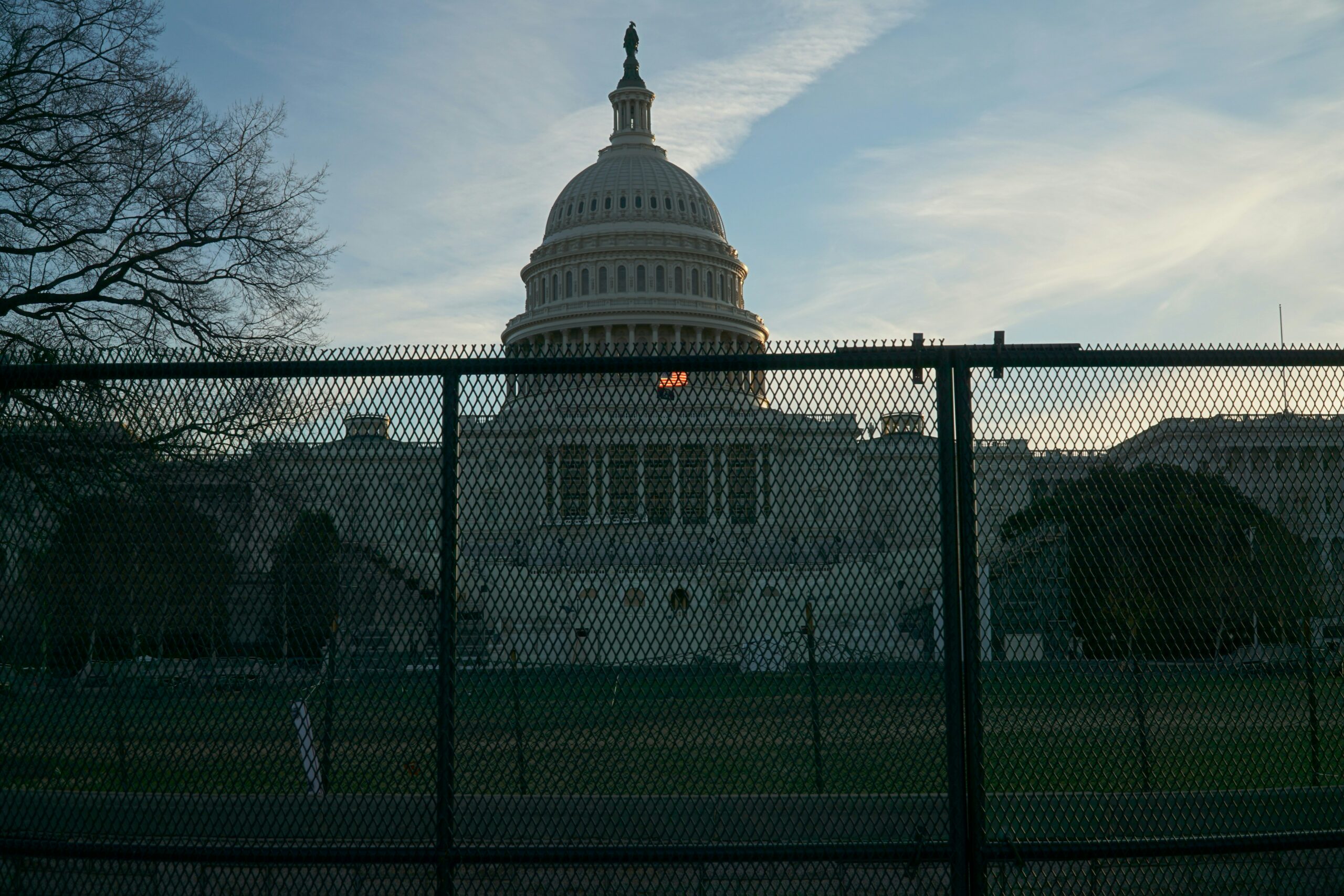
Washington D.C. – After a protracted 50-day shutdown that has disrupted federal services and furloughed countless workers, the U.S. House of Representatives is poised to reconvene and vote on a Senate-compromised bill aimed at reopening the government. The move comes after a critical late-night vote in the Senate, which passed a measure by a 60-40 margin to extend current government funding levels until January 30th. This legislative breakthrough, however, is already giving way to renewed and complex debates, particularly concerning the future of healthcare policy and economic stability.
A Fragile Truce: Navigating the Path to Reopening
The Senate’s compromise bill, which includes funding for increased security, represents a significant step towards ending the shutdown. The bipartisan support it garnered, with seven Democrats and Independent Angus King voting in favor, underscores the pressure to end the economic and operational paralysis. However, the path forward in the House is far from assured, with tight margins and internal party divisions creating a challenging landscape for Speaker Mike Johnson.
Lawmakers are already converging on Capitol Hill, with the Rules Committee scheduled to convene to facilitate debate and voting. The logistical hurdles of travel disruptions, exacerbated by the shutdown itself, are a palpable concern. Representative Ralph Norman, for instance, is reportedly making a long motorcycle journey from Wisconsin to cast his vote, highlighting the dedication and challenges faced by members.
“We are tracking everybody’s flights and all of us are scheduled to be back in time for the 6:30 clock-in,” stated Representative Houchin, a member of the House Budget and Commerce Committees, expressing confidence in securing a quorum for committee proceedings. She emphasized that the Democrats’ initial stance was a fight for “Obamacare premium subsidies,” which she characterized as a “subsidy on top of a subsidy” that primarily benefits insurance companies rather than hard-working families. “Enough was enough,” Houchin declared, expressing gratitude that the “pain inflicted on our veterans and federal workers” would soon cease.
Healthcare’s Thorny Future: Beyond the Shutdown
While the immediate focus is on reopening the government, the underlying disagreements, particularly regarding healthcare, remain a significant point of contention. The Senate’s compromise bill does not include an extension of Affordable Care Act (ACA) premium tax credits, a provision that had been a key demand for many Democrats.
Senate Republicans have agreed to hold a vote on these tax credits once the government is operational, but the path to agreement on healthcare reform is fraught with obstacles. Republicans are signaling a desire for structural changes to the ACA, with proposals including abortion restrictions within Obamacare plans and expanded Health Savings Accounts. However, critics argue that these measures may not benefit lower-income individuals as effectively as premium subsidies.
“There has to be structural changes,” Representative Houchin asserted, pointing to instances where insurance companies receive premiums for recipients who have never filed a claim. She advocated for cost-sharing provisions, similar to those proposed in previous Republican legislation, and lamented Democrats’ efforts to remove them. “We need to make healthcare affordable again in the United States,” she concluded, expressing confidence in achieving this under Republican leadership.
President Trump has also weighed in, floating the idea of “Trumpcare” and suggesting a model where funds are directed into personal accounts, allowing individuals to “negotiate their own health insurance.” While the specifics remain vague, the underlying principle, as articulated by Houchin, is to “cutting out the middle man” and empowering Americans with greater transparency and control over their healthcare choices.
However, some Democrats view these proposals with skepticism. Representative Jake Auchincloss, a Marine veteran and member of the House Committee on Energy and Commerce, expressed his intention to vote against the current reopening bill. “This thing doesn’t do anything for the middle class,” he stated, advocating for measures that would address rising health insurance premiums and offer tangible relief. Auchincloss suggested a one-year extension of ACA subsidies, with potential adjustments for higher earners, in exchange for genuine efforts to improve the ACA. “We should expand community health clinics and use individual contributor accounts,” he proposed, emphasizing a willingness to collaborate across the aisle.
The debate over ACA subsidies is likely to define the next legislative battleground, with starkly different visions for the future of American healthcare.
Economic Headwinds: Markets React Amidst Shutdown Uncertainty
The prolonged government shutdown has cast a shadow over economic indicators, creating a complex picture for policymakers and investors. While the stock market has shown resilience, with the S&P 500 and Dow Jones Industrial Average closing at record highs, underlying concerns persist, particularly within the technology sector.
SoftBank’s decision to sell its entire stake in Nvidia, a move that signals a potential shift in investor sentiment towards artificial intelligence (AI) spending, has raised questions about the sustainability of current market valuations. Romaine, reporting on “Power Moves,” noted that the tech space has experienced significant softness, with companies like CoreWeave cutting forecasts.
The airline industry has also faced pressure, with the shutdown creating concerns about operational viability and the potential scaling back of holiday travel plans. Even as the government moves towards reopening, experts warn that a return to normalcy may take weeks.
Economists and former administration officials have highlighted a growing bifurcation in the economy, with consumers at the high end of the income spectrum driving consumption, while those on the lower end struggle with inflation and stagnant wage growth. “People realize what is going on and see it on a daily basis when they buy groceries and their paycheck,” commented economist Peter Atwater, a featured guest on “Balance of Power.”
The lack of timely economic data due to the shutdown is further complicating the Federal Reserve’s ability to make informed decisions regarding interest rates. The absence of crucial employment and consumer spending figures leaves policymakers in a precarious position, potentially leading to difficult and closely contested future decisions.
As the House prepares to vote on the Senate’s bill, the immediate crisis of a government shutdown appears to be nearing its end. However, the deeper, more complex issues of healthcare reform and economic equity are poised to dominate the political landscape in the weeks and months ahead, promising further intense debate and negotiation.