
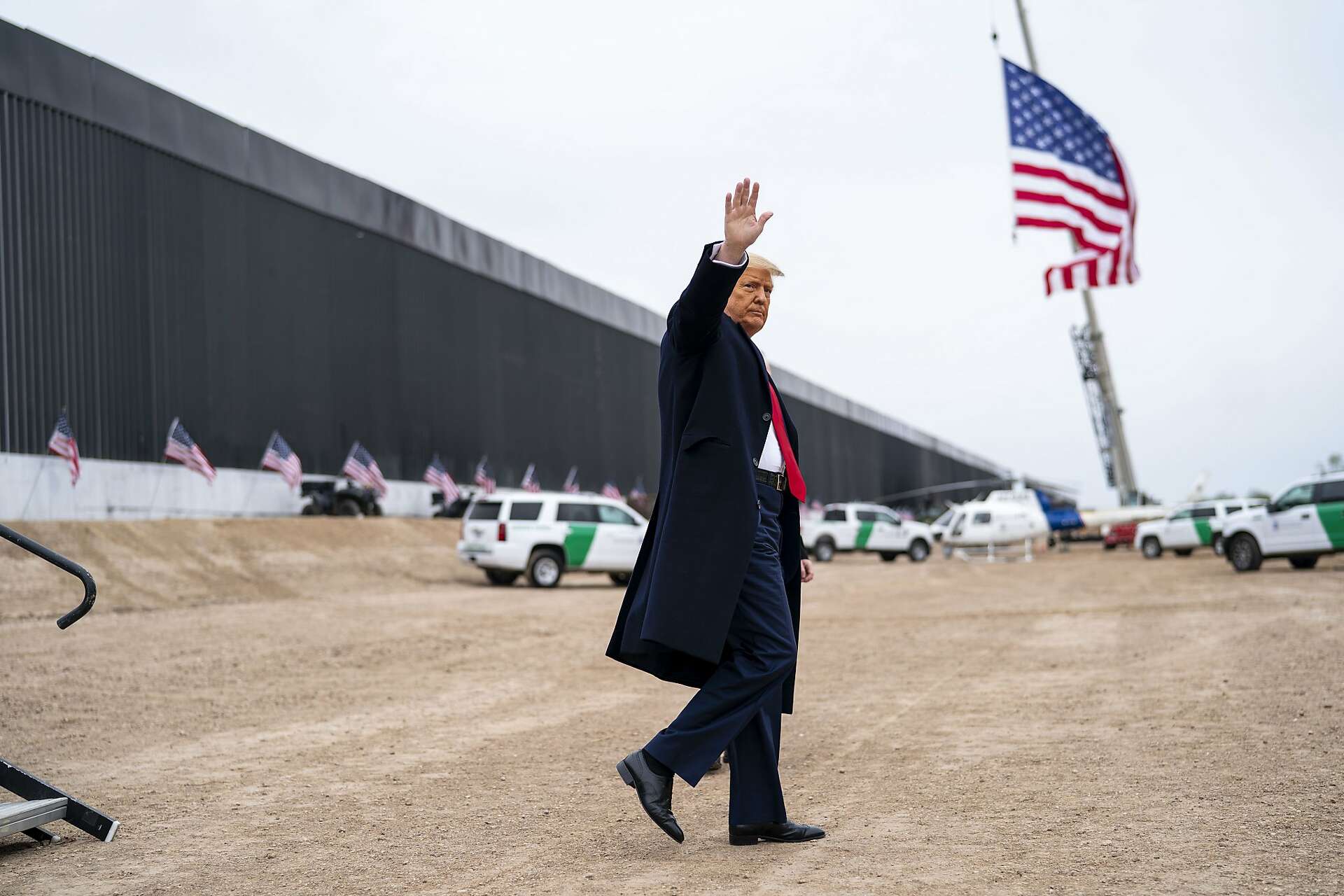
EAGLE PASS, TEXAS—The streets of this small Texas border city, once the epicenter of a historic influx of migrants, have gone eerily quiet. Gone are the clusters of asylum seekers walking toward Border Patrol processing centers; gone are the non-profit aid vehicles; and, increasingly, gone are the shoppers whose presence once fueled local sales tax revenue.
The silence is the immediate and dramatic consequence of the Trump administration’s “zero-release” border policies, which have effectively shut down the primary humanitarian flow across the U.S.-Mexico border and transformed communities from processing centers into militarized, economic choke points.
The Migration Pipeline is Clogged
Since the administration’s return to office, official U.S. Customs and Border Protection (CBP) data shows an extraordinary decline in crossings. Border Patrol apprehensions between ports of entry have plummeted by over 90% compared to the preceding year, a stunning reversal that officials attribute to the immediate implementation of policies ending “catch-and-release” and shutting down asylum scheduling apps.
However, the dramatic drop has created a social and economic shockwave throughout the border towns:
- Empty Shelters: Migrant aid shelters in towns like Eagle Pass and Brownsville, which operated at maximum capacity for years, are now sitting largely empty. While aid workers express relief at the diminished humanitarian crisis on their doorsteps, they warn that the policies have only shifted the hardship to the Mexican side of the river.
- The Economic Chill: The border economy—a fragile ecosystem dependent on cross-border retail trade, bridge tolls, and, paradoxically, the temporary presence of migrants being processed—is feeling the strain. Moody’s Ratings has flagged that cities highly reliant on sales tax and bridge toll revenue, such as McAllen and Eagle Pass, face “outsized exposure to budgetary shocks” as both commercial and pedestrian traffic slows.
- ICE Scrutiny: Furthermore, new data confirms that the Trump administration’s interior immigration crackdown is heavily concentrated in Texas, with one in four ICE arrests now happening in the state. This increase in enforcement activity, which often includes arresting individuals without criminal convictions, has created a palpable fear among long-standing immigrant communities, discouraging activity and further contributing to the economic slowdown.
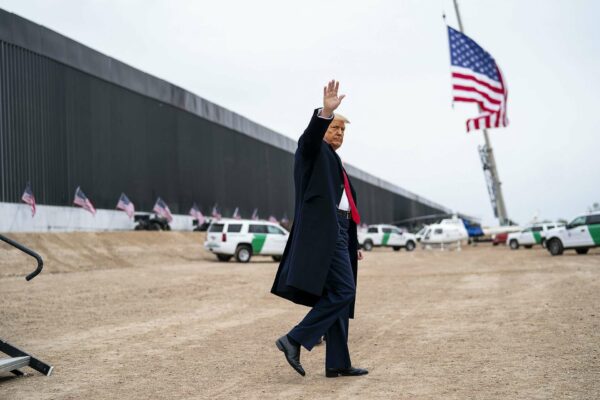
A Militarized Presence
The transformation of the border is highly visible. President Trump’s promise to fully construct the border wall is being pushed ahead aggressively, with new construction or deployment of waterborne and secondary barrier systems now stretching across hundreds of miles.
The streets of towns like Del Rio and Laredo now feel more like staging areas for a security operation than bustling commercial crossings. State forces, deployed under the Texas-led Operation Lone Star, maintain a constant, highly visible presence, augmenting the expanded U.S. Border Patrol and ICE detachments.
For residents who live and work along the Rio Grande, the silence is a double-edged sword. While the political pressure of the mass migrant influx has subsided, it has been replaced by the quiet anxiety of a hyper-militarized environment and the economic uncertainty of trade and commerce grinding to a halt.
As Washington celebrates the falling crossing numbers as a victory, Texas border communities are left dealing with the ghost town economy that the policy success has left in its wake.