
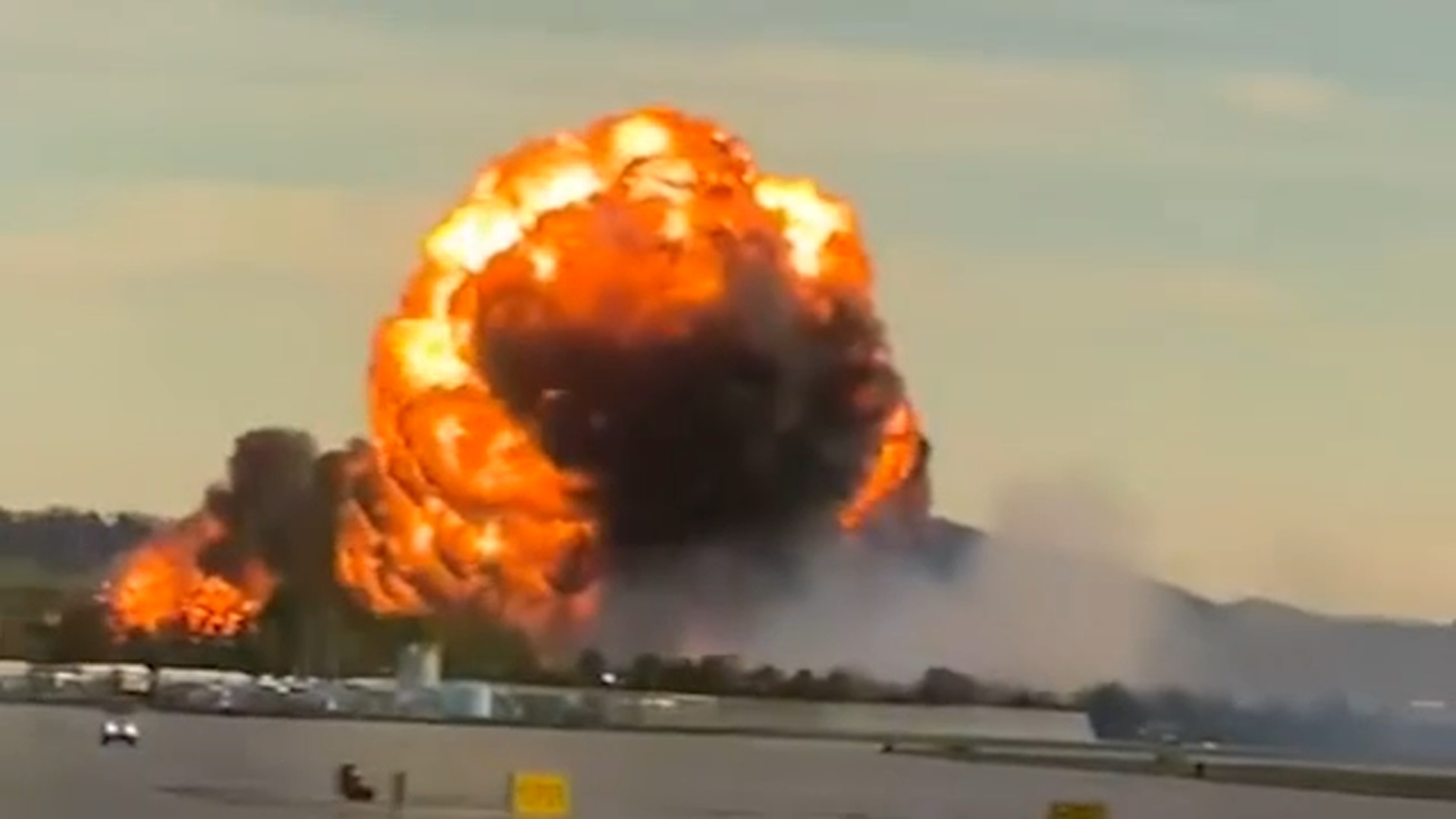
LOUISVILLE, K.Y.—The wreckage of a massive UPS cargo jet lies scattered across a half-mile debris field outside Louisville Muhammad Ali International Airport, a chilling scene that unfolded in a matter of terrifying seconds and claimed at least 11 lives. Authorities are now piecing together how a routine cargo takeoff could end in a cataclysmic explosion.
Federal investigators from the National Transportation Safety Board (NTSB) have confirmed initial, dramatic details about the crash of UPS Flight 2976, revealing a critical malfunction that occurred just as the McDonnell Douglas MD-11 was attempting to gain altitude.
The Seconds of Terror: Timeline of the Crash
The fiery disaster struck around 5:15 p.m. ET on Tuesday, shortly after the plane, bound for Honolulu and laden with 38,000 gallons of fuel, was cleared for takeoff from Runway 17R:
- Takeoff Roll & Fire: Video evidence, including airport security footage and cell phone clips from onlookers, confirmed that a large fire developed in the plane’s left wing as the aircraft accelerated down the runway.
- Engine Detachment: NTSB investigator Todd Inman revealed the most crucial clue: airport security video shows the aircraft’s left engine detaching from the wing during the takeoff roll. The engine was later recovered on the airfield, separate from the main wreckage site.
- Momentary Lift: The plane managed to gain just enough altitude to clear the fence at the end of the runway.
- Catastrophic Impact: With the plane ablaze and structurally compromised, it quickly impacted structures and terrain off the airport property, crashing into an auto parts lot and a petroleum recycling center. The enormous fuel load on the long-haul flight resulted in a massive, apocalyptic fireball and an inferno that scattered oil and debris across the surrounding area.
The crash resulted in the deaths of all three crew members onboard the plane, as well as several individuals caught in the ground explosion and subsequent fire. Authorities have shifted from a rescue to a recovery operation, warning the death toll may rise.
Early Clues and Hypothesized Causes
While the NTSB’s investigation is just beginning, the initial evidence—particularly the detachment of the left engine—narrows the field of potential causes, pointing toward a systemic failure in the aircraft’s power plant or structure.
| Hypothesized Cause | Significance |
| Catastrophic Left Engine Failure | The detachment strongly suggests an uncontained engine failure, where internal components violently break apart. This can send debris tearing through the wing structure, severing fuel lines, and causing the massive fire seen on video. |
| Damage to the Center Engine | Aviation experts note that the MD-11 has a third engine mounted in the tail. Debris from the initial left engine failure may have been sucked into or damaged the center engine, creating an immediate power imbalance that the pilots could not correct with only one functional engine remaining. |
| Structural/Pylon Failure | Less common but possible: a severe structural defect in the engine pylon (the mount connecting the engine to the wing) could have failed, causing the engine to separate. This still likely led to the rupture of fuel lines and the subsequent blaze. |
| Fuel Load Impact | The plane was carrying a massive amount of fuel for its trans-Pacific flight. The resulting fireball and high death toll on the ground were exacerbated by the sheer volume of volatile fuel rupturing upon impact. |
The NTSB’s recovery of the plane’s black boxes—the Cockpit Voice Recorder (CVR) and the Flight Data Recorder (FDR)—is the most crucial step. Though they suffered heat damage, investigators are confident the data will provide a definitive, second-by-second account of the crew’s actions and the plane’s condition from the moments the emergency began.
For now, the investigation will prioritize examining the recovered left engine for signs of fatigue, internal component failure, or external strike damage, seeking the definitive answer to how the multi-engine MD-11 lost the necessary power to safely take to the skies.