
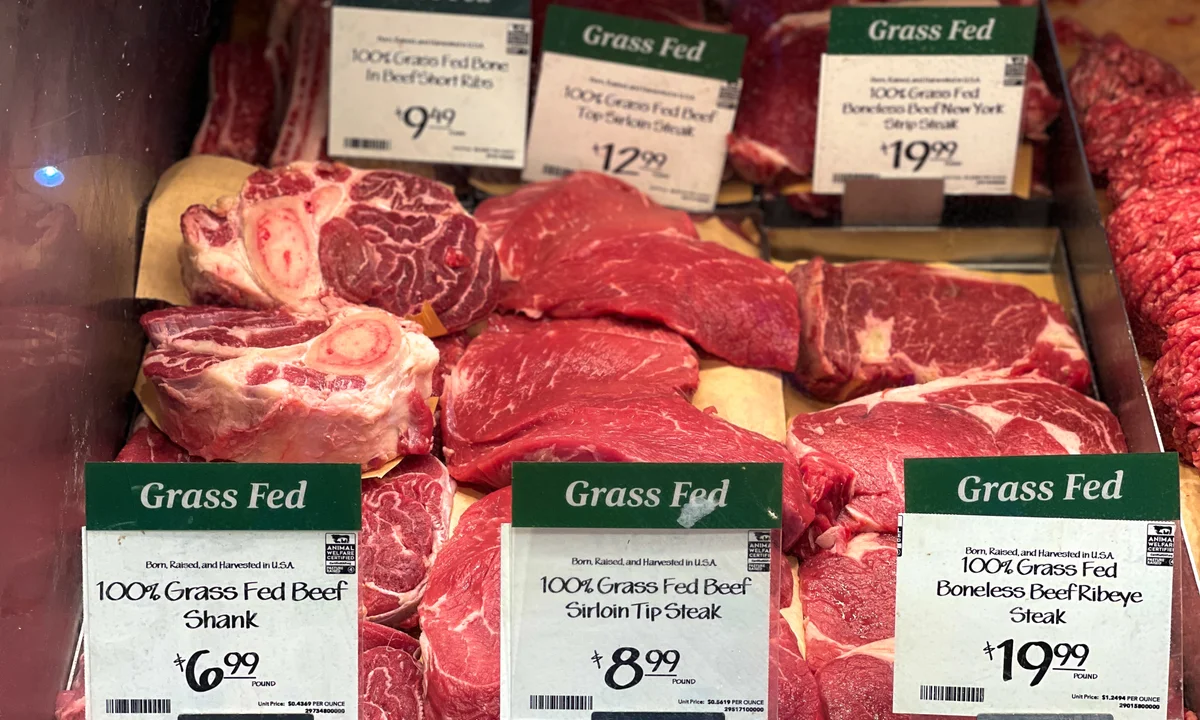
In the labyrinth of American politics, few issues cut as sharply as the cost of a basic dinner staple. Today, that staple is beef, and its searingly high price has jumped from an uncomfortable grocery expense to a full-blown political liability, forcing the administration into an emergency market intervention that has enraged a core domestic constituency: the American cattle rancher.
The latest Bureau of Labor Statistics data shows beef prices soaring, with some cuts up nearly 15% year-over-year. For the average American consumer, the cost of ground beef has become a daily reminder of stubborn inflation, transforming the humble backyard burger into a flashpoint for economic anxiety.
The Perfect Storm: A 70-Year Supply Squeeze
The primary driver of the crisis is a classic supply-and-demand mismatch, catalyzed by a confluence of long-term and recent shocks.
1. The Smallest Herd Since 1951
The U.S. cattle inventory is currently at its lowest level in over seven decades. This dramatic contraction is the result of years of punishing drought across the Great Plains, which forced ranchers to sell off their herds, including breeding stock, simply because they couldn’t afford the skyrocketing cost of feed.
- Drought and Input Costs: Persistent drought conditions have withered grazing pastures, forcing producers to buy expensive supplemental feed. This, coupled with general inflation driving up the cost of fuel, labor, and interest rates, made it economically rational for many to reduce their herds or leave the business entirely.
- The Cattle Cycle Lag: Rebuilding the national herd is not a quick fix. It takes years for a cow to produce a calf, and another 18-24 months for that calf to reach market weight. Experts warn that high prices will likely persist for the next two to three years until herd expansion stabilizes the market.
2. Tariffs and Trade Turbulence
Adding complexity to the supply shortage are new tariffs on beef imports from key trading partners like Brazil. The U.S. relies heavily on imported lean beef trimmings to mix with domestic fattier beef for ground products. Tariffs increase the cost of these imports, directly driving up the price of one of the most popular and price-sensitive meats: ground beef.
The Political Response: An Emergency Import Gambit
Facing intense public criticism over grocery costs, the White House has chosen to bypass the slow, natural pace of the agricultural cycle with a bold, controversial political play: dramatically increasing low-tariff beef imports from Argentina.
The administration’s argument is simple: flood the market with foreign supply to ease price pain for consumers.
This move, however, has ignited a fierce political backlash from the National Cattlemen’s Beef Association (NCBA) and influential Republican lawmakers.
- Rancher Fury: Domestic producers view the import boost as a direct threat, arguing that flooding the market with foreign beef will “undermine” U.S. cattle prices just as they are finally realizing profits after years of financial struggle and weather-related losses. They contend that the move is an attack on the American farmer and will do little to lower prices due to the limited volume of the imports.
- Market Manipulation Accusations: Critics, including prominent agricultural economists, have cautioned the administration to “let the market work,” arguing that high prices are necessary right now to incentivize the long-term herd expansion that will eventually bring costs down. Intervening to artificially lower prices, they warn, will only prolong the scarcity.
The debate over the Argentine beef deal underscores the central political tightrope: balancing the consumer’s immediate desire for relief at the checkout line with the long-term health and stability of the American agricultural producer.
The price of beef is no longer just an economic indicator; it has become a powerful political symbol, capable of moving the needle in upcoming elections and highlighting the unpredictable trade-offs of an inflation-wracked economy. For the moment, Americans will continue to pay The Butcher’s Bill, with the hope that the costly cut will eventually lead to a calmer, more affordable market.