
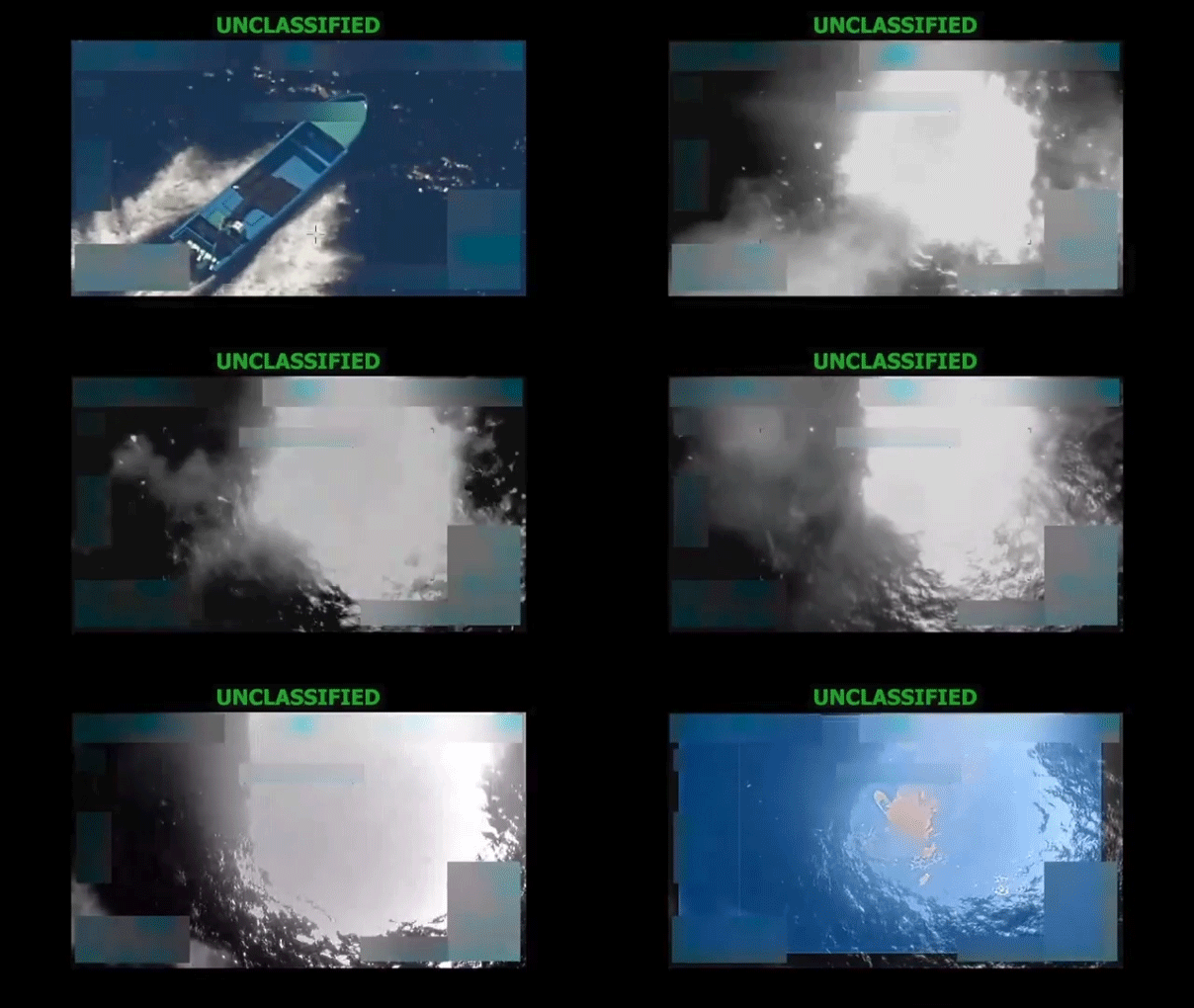
The U.S. military has dramatically expanded its lethal counternarcotics campaign, executing a drone strike on a suspected drug-smuggling vessel in the eastern Pacific Ocean that left two people dead. The attack, confirmed by Defense Secretary Pete Hegseth, marks the first time U.S. forces have employed deadly force in this manner outside of the Caribbean Sea, signaling a major geographical shift in the administration’s aggressive policy.
The “lethal kinetic strike,” which occurred Tuesday night in international waters, was directed at a vessel allegedly carrying illicit narcotics along a known trafficking route. The two individuals aboard the boat were described by Secretary Hegseth on social media as “narco-terrorists” who were “killed” in the operation.
The Secretary further escalated the rhetoric by directly comparing the drug cartels to the terrorist organization responsible for the 9/11 attacks. “Narco-terrorists intending to bring poison to our shores, will find no safe harbor anywhere in our hemisphere,” Hegseth wrote, adding, “Just as Al Qaeda waged war on our homeland, these cartels are waging war on our border and our people.”
Widening the ‘Armed Conflict’
This latest operation is the eighth known strike since the beginning of September and brings the total death toll from the campaign to at least 34. The previous seven attacks had been exclusively focused on the Caribbean, primarily targeting vessels the administration alleged were linked to Venezuelan groups.
The shift to the Pacific signals a new front against drug trafficking originating from the world’s top cocaine producers, Colombia and Peru. The Pacific is the primary corridor for smuggling cocaine northward to the United States.
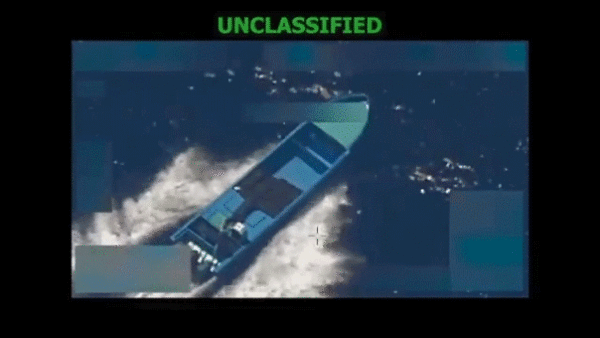
A brief, unclassified video shared by Hegseth showed a small vessel, seemingly loaded with brown packages, being struck and erupting in flames.
Legal and Diplomatic Controversy Intensifies
The deployment of the U.S. military—instead of the U.S. Coast Guard, the traditional maritime law enforcement agency—and the repeated use of lethal force without apprehension have generated intense scrutiny from legal experts and human rights organizations.
The administration has sought to justify the strikes by claiming an “armed conflict” exists with drug cartels, a legal framework critics argue unlawfully extends the bounds of war and sets a dangerous global precedent for the summary killing of suspected traffickers.
The concerns have been exacerbated by a recent incident where survivors of a previous Caribbean strike were repatriated to Ecuador and Colombia. Ecuadorian authorities subsequently released their citizen, stating they had “no evidence he committed a crime in their country,” further challenging the intelligence claims used to authorize the deadly strikes.
As the body count rises and the zone of engagement widens, the Trump administration remains unwavering in its militarized “war on drugs,” but its reliance on lethal force over law enforcement continues to provoke fierce debate on the legality, necessity, and transparency of the rapidly escalating campaign.