
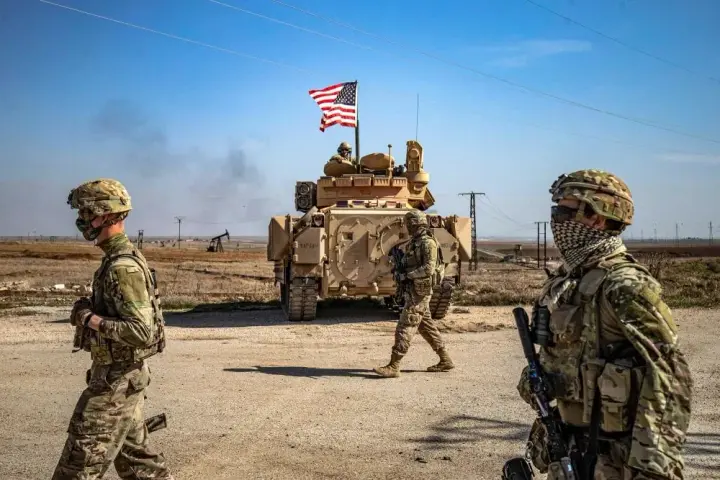
In a dramatic executive maneuver, President Donald Trump has ordered the Pentagon to tap into existing, unspent funds to ensure that active-duty military service members receive their paychecks next week, effectively removing the military from the immediate financial fallout of the escalating government shutdown.
With the shutdown entering its third week, and the October 15 payday looming, the fate of more than 1.3 million service members had become a major pressure point in the high-stakes budgetary battle between the White House and Congress. In a post on his social media platform, President Trump declared he was using his authority as Commander-in-Chief to direct Defense Secretary Pete Hegseth “to use all available funds to get our Troops PAID.”
The Pentagon subsequently confirmed it had identified approximately $8 billion in unobligated research and development funds from the previous fiscal year to cover the mid-month payroll.
An End-Run on the Deadlock
The move, while hailed by Republicans as an essential act of support for the armed forces, is an unorthodox use of executive power that circumvents a deadlocked Congress. For days, bipartisan calls for a standalone bill to protect military pay had been stifled by the legislative impasse.
The President pinned the blame for the shutdown, and the resulting financial threat to the military, squarely on congressional Democrats, accusing them of attempting to hold the nation’s security “hostage.”
“I will not allow the Democrats to hold our Military, and the entire Security of our Nation, HOSTAGE, with their dangerous Government Shutdown,” the President stated. “We have identified funds to do this, and Secretary Hegseth will use them to PAY OUR TROOPS.”
However, this executive action only addresses a fraction of the federal workforce.
The Two-Tiered Government
The President’s directive does not extend to the hundreds of thousands of other federal employees—including essential workers continuing to perform critical duties without pay, and the thousands of non-essential personnel who have been furloughed or, as the administration has recently directed, faced layoffs.
Furthermore, a significant question mark hangs over the U.S. Coast Guard. Because the military branch falls under the Department of Homeland Security, not the Defense Department, it appears to be excluded from the order—a problematic distinction that previously left Coast Guard members unpaid during a government funding lapse in the last administration.
The decision to insulate the military from the shutdown’s sting removes a powerful incentive for Congress to act swiftly. By guaranteeing military pay, the White House has solved a short-term political problem, but in doing so, may have emboldened both sides to maintain their hardened positions, signaling that the longest running government shutdown in modern history is now poised to continue indefinitely. The financial relief for the troops, therefore, is a short-term victory that simultaneously deepens the long-term partisan divide.