
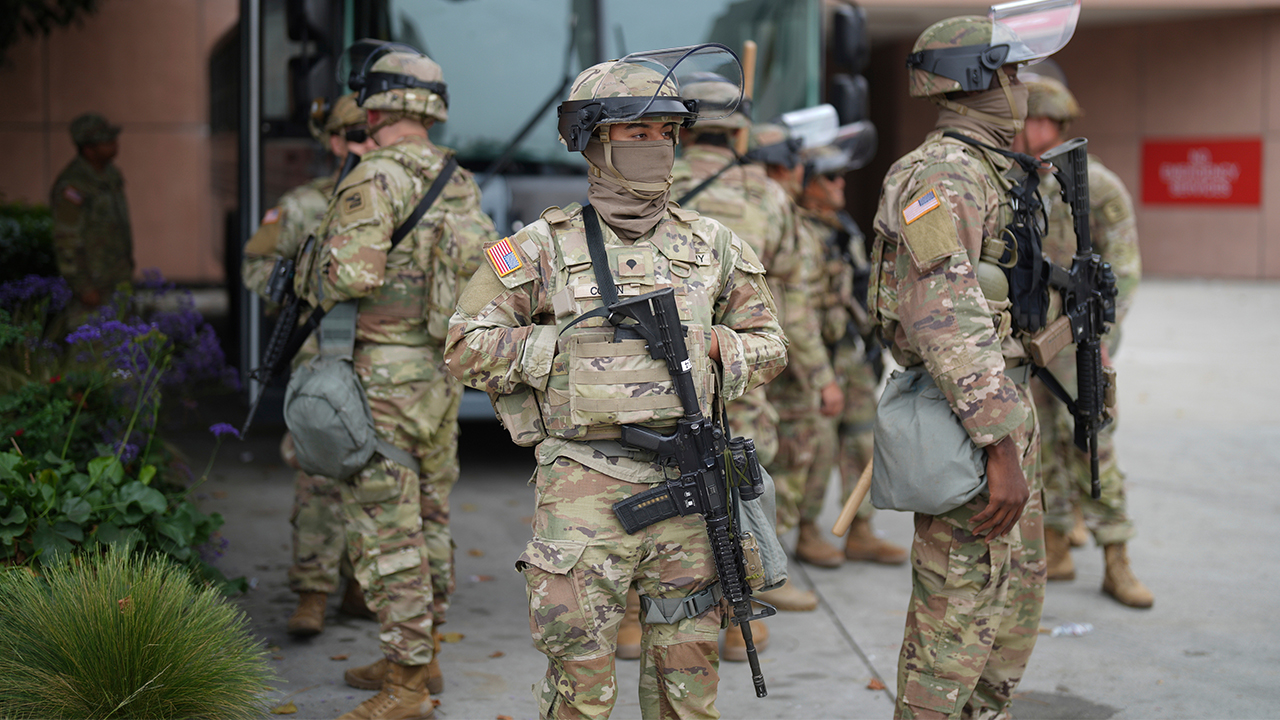
CHICAGO, Ill. — In a significant legal defeat for the Trump administration and a victory for state authority, a federal appeals court ruled late Saturday that while the President can retain federal control of the National Guard troops sent to Illinois, he is barred from actively deploying them in the state.
The ruling by the U.S. Court of Appeals for the Seventh Circuit largely upholds an earlier decision by a District Court judge that temporarily blocked the military mobilization, which Illinois officials had fiercely opposed as an unconstitutional overreach of federal power.
The emergency order creates a legal limbo for the hundreds of Guard members—including personnel from the Illinois and Texas National Guard—who remain under federal command but are now confined to their base, unable to patrol or provide protection for federal properties as ordered by the White House.
No ‘Danger of Rebellion’
The appellate court’s partial stay follows Thursday’s initial ruling by U.S. District Judge April Perry, who expressed deep skepticism over the administration’s core justification for the deployment: a supposed surge in “lawlessness” and a “danger of rebellion” in the Chicago area, primarily linked to protests near Immigration and Customs Enforcement (ICE) facilities.
Judge Perry found “no credible evidence” that the civil authorities in Illinois had failed, citing the fact that agitators have been arrested and the courts remain open. Citing history, including the Federalist Papers, the judge concluded that “Resort to the military to execute the laws is not called for.”
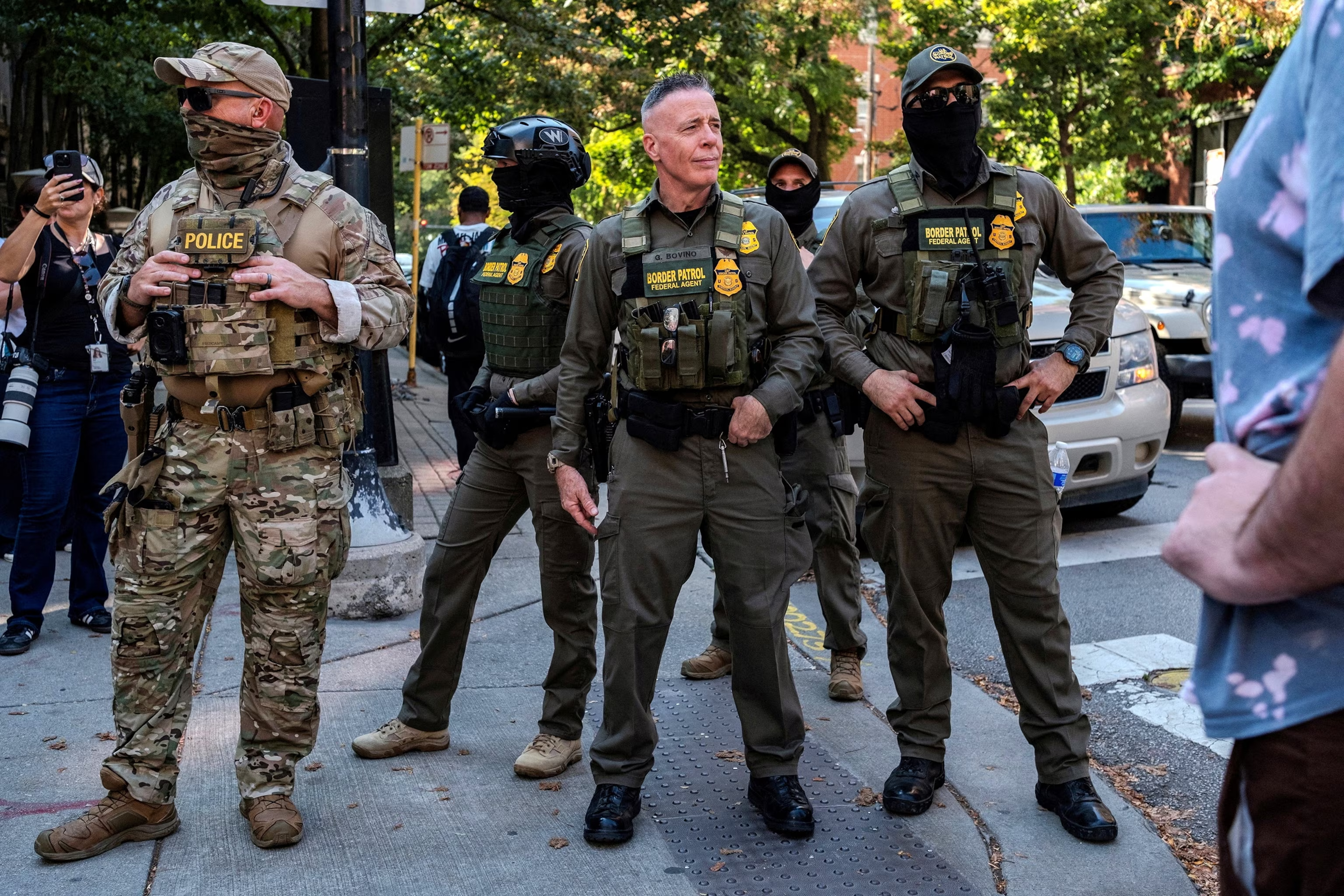
The Seventh Circuit’s decision to block the deployment for now signals a judicial alignment with the District Court’s skepticism. It undercuts the administration’s stated purpose for “Operation Midway Blitz,” a multi-state immigration enforcement initiative that Illinois Governor J.B. Pritzker and Chicago Mayor Brandon Johnson have condemned as a provocative and illegal use of military force on American streets.
The Constitutional Chasm
At the heart of the legal battle is the question of the President’s authority to federalize the National Guard under Title 10 without a state’s consent, particularly when the Insurrection Act has not been formally invoked and there is no proven domestic emergency. State officials had argued that the mobilization illegally seized control of the Illinois National Guard and violated the Tenth Amendment right of the state to govern itself.
The Appeals Court’s split decision—allowing federal control but blocking active deployment—highlights the constitutional tightrope the judiciary is walking. It preserves the President’s ability to assert command over the Guard while temporarily preventing the soldiers from performing what local officials argue are domestic policing functions, which are typically barred by the Posse Comitatus Act.
The White House, which had immediately appealed the lower court’s ruling, maintained that the President was exercising his lawful authority to protect federal personnel and property.
The case now continues to move through the courts, a critical legal fight that will help define the limits of executive power and the role of the military in domestic affairs amid an environment of heightened political tension between the federal government and Democratic-led cities. For now, however, the Guard members in Illinois are effectively frozen, a stark symbol of the ongoing judicial resistance to the administration’s controversial deployments.