
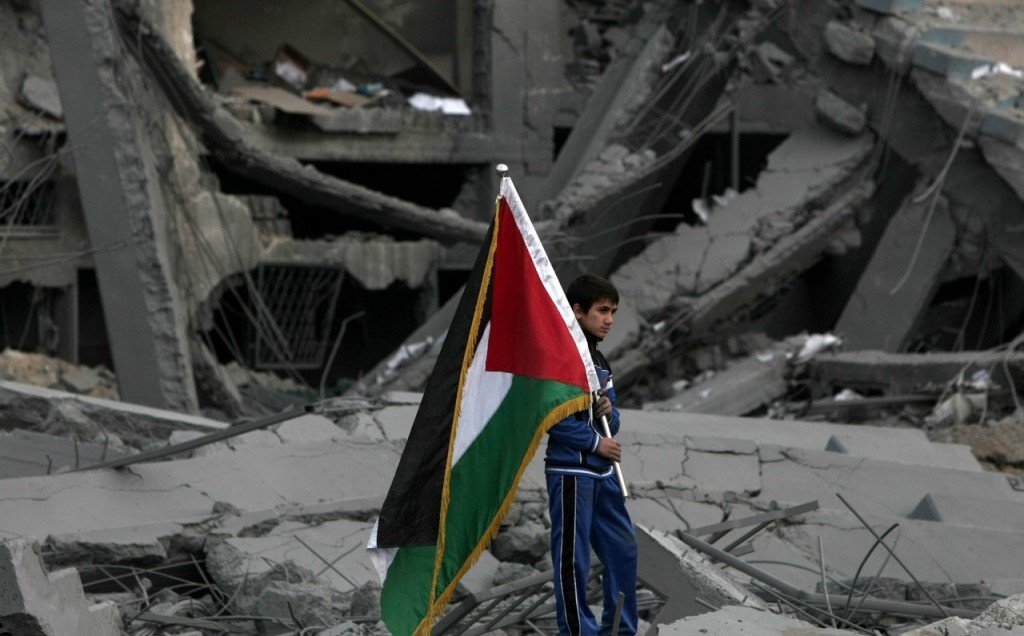
GAZA CITY — Even as a fragile ceasefire with Israel takes hold and hope flickers for the devastated Gaza Strip, a new and dangerous internal conflict is escalating: a shadow war for control, pitting the ruling Islamist group Hamas against local armed clans and perceived collaborators.
Hamas has launched a major security mobilization, deploying an estimated 7,000 members of its internal security forces in a stark reassertion of authority over areas recently vacated by Israeli troops. The move, reportedly issued via phone and text messages, included an explicit order to “cleanse Gaza of outlaws and collaborators with Israel” and has raised fears of widespread internal violence.
The mobilization comes amid a dramatic spike in internal tensions, highlighted by the recent killing of two Hamas elite force members by gunmen from the powerful Dughmush clan in Gaza City. One of the victims was the son of a senior military intelligence commander, a killing that has enraged the group and led to swift, bloody retaliation.
Reports from the ground indicate Hamas forces quickly surrounded a large area where an estimated 300 Dughmush gunmen were thought to be holed up, armed with heavy weapons—some of which are believed to have been looted from Hamas depots during the protracted conflict. Following the standoff, one clan member was reportedly killed, and up to 30 others were kidnapped by Hamas forces.
The Power Vacuum Dilemma
The dramatic security sweep underscores the chaotic and deeply fractured reality of governance in Gaza following two years of brutal conflict. With Israeli forces having withdrawn from significant urban centers as part of the initial phase of a U.S.-brokered peace plan, a critical power vacuum has emerged.
Hamas, whose governing structures were severely degraded by the war, is moving rapidly to fill that void. The group has appointed five new “governors” across the territory, notably choosing figures with strong military backgrounds—including brigade commanders—over those from its political wing. This shift emphasizes a renewed focus on raw security control over civil administration.
An unnamed Hamas official abroad, declining to confirm the exact numbers of the deployment, told reporters: “We cannot leave Gaza at the mercy of thieves and militias backed by the Israeli occupation.”
However, security analysts and human rights experts fear the militant group’s aggressive re-establishment of control is a “perfect recipe for civil war.”
“Gaza is flooded with arms. Looters have stolen thousands of weapons… and some groups have even received supplies from Israel,” warned a retired Palestinian Authority security officer. “This is a perfect recipe for civil war: weapons, frustration, chaos, and a movement desperate to reassert control over a shattered and exhausted population.”

A Threat to the Peace Deal
The internal clashes present a severe threat to the fragile diplomatic progress. The newly implemented ceasefire, part of President Donald Trump’s peace plan, aims for a phased transition and eventual governance by Palestinian technocrats. Hamas has agreed to relinquish its administrative authority but has explicitly rejected any commitment to disarm its military wing, stating its weapons are “legitimate to resist occupation.”
Khalil Abu Shammala, a human rights expert in Gaza, expressed the widespread fear that Hamas’s aggressive security push could “jeopardize the agreement and plunge Gaza’s residents into even greater suffering.”
As tens of thousands of displaced Gazans attempt the perilous journey back to their devastated homes in the north, they are being met not just by rubble, but by a new, masked security presence patrolling the streets—a sign that while the conflict with Israel may be paused, the fight for Gaza’s future is far from over. The internal mobilization confirms that for Hamas, its primary post-war objective is not reconstruction, but the ruthless restoration of its exclusive, iron-fisted rule.