
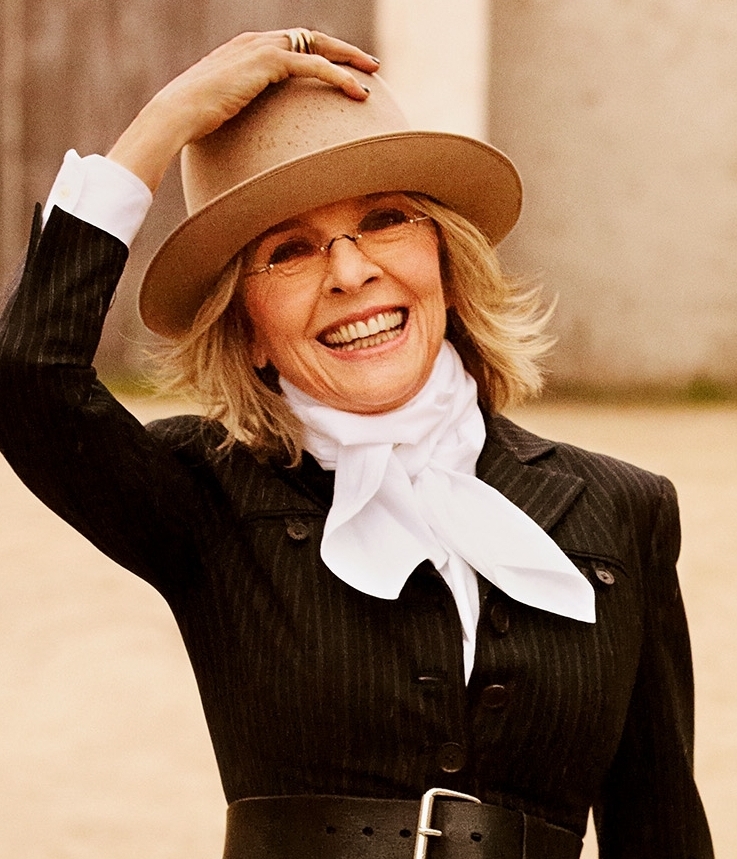
Diane Keaton, the singular actress whose combination of quirky vulnerability, sharp comedic timing, and indelible style made her a defining figure in American cinema for five decades, has died. She passed away Saturday in California at the age of 79, a family spokesperson confirmed, with no cause of death immediately provided.
The news has sent an immediate wave of shock and mourning through Hollywood and beyond, marking the loss of an artist celebrated for her fearless authenticity and her ability to bring sophisticated, complicated women to the screen.
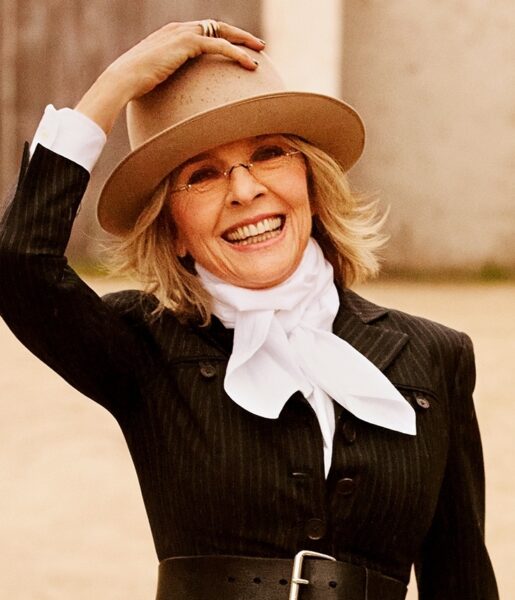
Keaton was one of the rare stars to achieve iconic status in both the world of dramatic prestige and mainstream comedy. She is perhaps best remembered for her Oscar-winning role in the 1977 classic, Annie Hall, a performance that cemented her as a cultural phenomenon and a reluctant fashion oracle whose androgynous look—featuring tailored vests, wide-leg trousers, and signature hats—reverberated globally.
From Kay Adams to Annie Hall
Born Diane Hall in Los Angeles in 1946, she adopted her mother’s maiden name, Keaton, to join the Actors’ Equity Association. Her career was a tapestry of landmark roles woven with her distinct, nervous energy and captivating intelligence.
Her major breakthrough arrived in 1972 as the increasingly isolated Kay Adams, the wife of Al Pacino’s Michael Corleone, in Francis Ford Coppola’s masterpiece, The Godfather. She reprised the role in the subsequent sequels, showcasing a quiet dramatic force in a world dominated by men.
However, it was her years-long collaboration with writer-director and former partner Woody Allen that catapulted her to superstardom. Annie Hall, which was heavily inspired by her own life and personality, earned her the Academy Award for Best Actress. The film established the enduring cinematic archetype of the intellectual, fashionable, and neurotic modern woman, a character Keaton would revisit and refine in other collaborations with Allen, including Sleeper and Manhattan.
An Enduring Comedic Force
Keaton’s remarkable run continued well past her muse years. She earned additional Oscar nominations for her work in Warren Beatty’s Reds (1981), the challenging family drama Marvin’s Room (1996), and, later in her career, for the smash-hit romantic comedy Something’s Gotta Give (2003) opposite Jack Nicholson.
Her comedic longevity was legendary. She charmed a new generation of fans as the matriarch in Father of the Bride and, most notably, as one of the triumphant trio in The First Wives Club (1996), alongside Bette Midler and Goldie Hawn.
Tributes Flood Social Media
Tributes poured in from former co-stars and friends, highlighting her singular spirit and warmth.
“The brilliant, beautiful, extraordinary Diane Keaton has died,” wrote her First Wives Club co-star Bette Midler on social media. “She was hilarious, a complete original, and completely without guile… What you saw was who she was… oh, la, lala!”
Ben Stiller called her “One of the greatest film actors ever. An icon of style, humor and comedy. Brilliant. What a person.”
Kimberly Williams-Paisley, who played her on-screen daughter in the Father of the Bride movies, shared an emotional post, stating, “Working with you will always be one of the highlights of my life. You are one of a kind, and it was thrilling to be in your orbit for a time.”
Keaton never married, famously dating co-stars like Pacino, Allen, and Beatty, but she found her greatest joy in motherhood, adopting her daughter Dexter and son Duke in her 50s.
A true original who was never afraid to be completely and unapologetically herself, Diane Keaton leaves behind a body of work that is as rich, eccentric, and enduring as her own public persona. The screens she graced will be quieter and the fashion world less bold with the departure of its most effortless icon.
Tools