
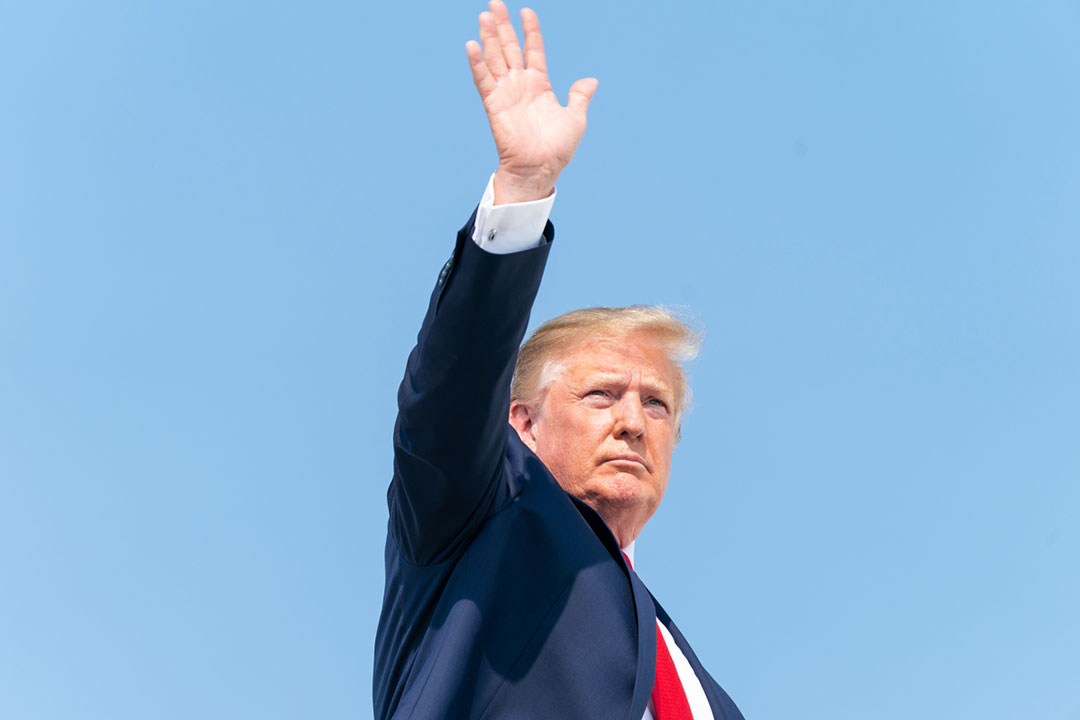
In a dramatic late-night announcement, President Donald Trump declared yesterday that Israel and Hamas have both signed off on the first phase of the U.S.-proposed peace plan for the Gaza Strip, signaling a significant, albeit partial, breakthrough in the nearly two-year-old conflict. The agreement, brokered through intense negotiations involving mediators from Qatar, Egypt, and Turkey, focuses on the most immediate and critical issues: hostage release and an Israeli troop withdrawal.
“I am very proud to announce that Israel and Hamas have both signed off on the first Phase of our Peace Plan,” the President wrote on his social media platform, Truth Social. He added, with characteristic fanfare, that this means “ALL of the Hostages will be released very soon, and Israel will withdraw their Troops to an agreed upon line as the first steps toward a Strong, Durable, and Everlasting Peace.”
The announcement follows days of high-stakes, indirect talks in Egypt, where U.S. envoys and top officials from the mediating nations worked to hammer out the technical details of the comprehensive 20-point peace plan unveiled by the administration earlier this week. The first phase of the agreement is understood to center on a cease-fire, the exchange of all remaining Israeli hostages—believed to be around 47, alive and dead—for a substantial number of Palestinian prisoners held in Israeli jails (reportedly including 1,950 prisoners, with a focus on high-profile detainees), and the entry of massive humanitarian aid into the devastated territory.
Cautious Optimism Amidst Lingering Gaps
The White House’s declaration of a signed agreement was quickly mirrored by key mediators. Qatar’s Foreign Ministry spokesperson confirmed an agreement had been reached “on all the terms and mechanism for implementing the first phase,” which is intended to lead to an end to the war. Israeli Prime Minister Benjamin Netanyahu’s office also issued a brief statement, thanking the security forces and confirming a government meeting to approve the agreement and “bring all our dear hostages home.”
Despite the wave of global relief and official optimism, significant hurdles remain. The first phase, while crucial, only addresses an immediate cessation of hostilities and a hostage swap. The broader, more contentious elements of the Trump plan, which would lay the groundwork for a lasting resolution, still hang in the balance. These include the full disarmament of Hamas, the eventual complete withdrawal of Israeli forces from Gaza, and the establishment of a transitional international administration to govern the territory.
Hamas’s response, while agreeing to the key points of the hostage exchange and Israeli withdrawal, has been more qualified regarding the long-term plan. The group has historically resisted disarmament, and while it has signaled a willingness to cede administrative power to a Palestinian technocratic body, it has not yet fully endorsed the idea of a comprehensive international authority.
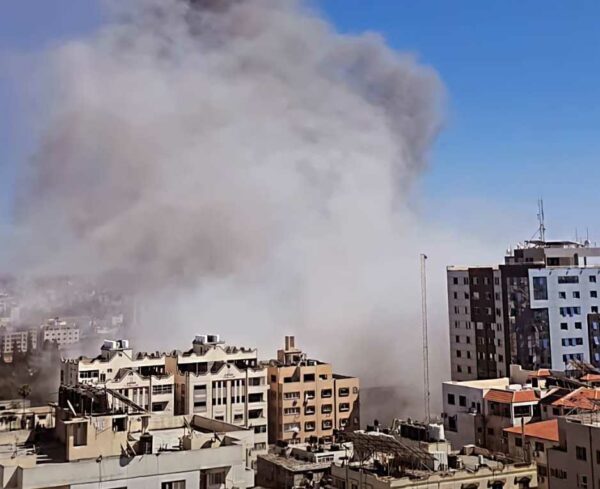
For the war-weary population of Gaza, the news represents a desperately needed sliver of hope. The two-year conflict, ignited by the October 7, 2023, attack by Hamas, has resulted in catastrophic loss of life and a humanitarian disaster, with tens of thousands of Palestinian casualties and much of the enclave reduced to rubble.
President Trump is reportedly considering a trip to the Middle East as soon as this weekend to personally cement the deal, underscoring the high-level commitment to transforming the current fragile agreement into a durable peace. The world now watches as technical teams meet in Egypt to finalize the implementation mechanisms, holding its breath that this “first phase” will indeed pave the way for a definitive end to one of the world’s most intractable conflicts.