
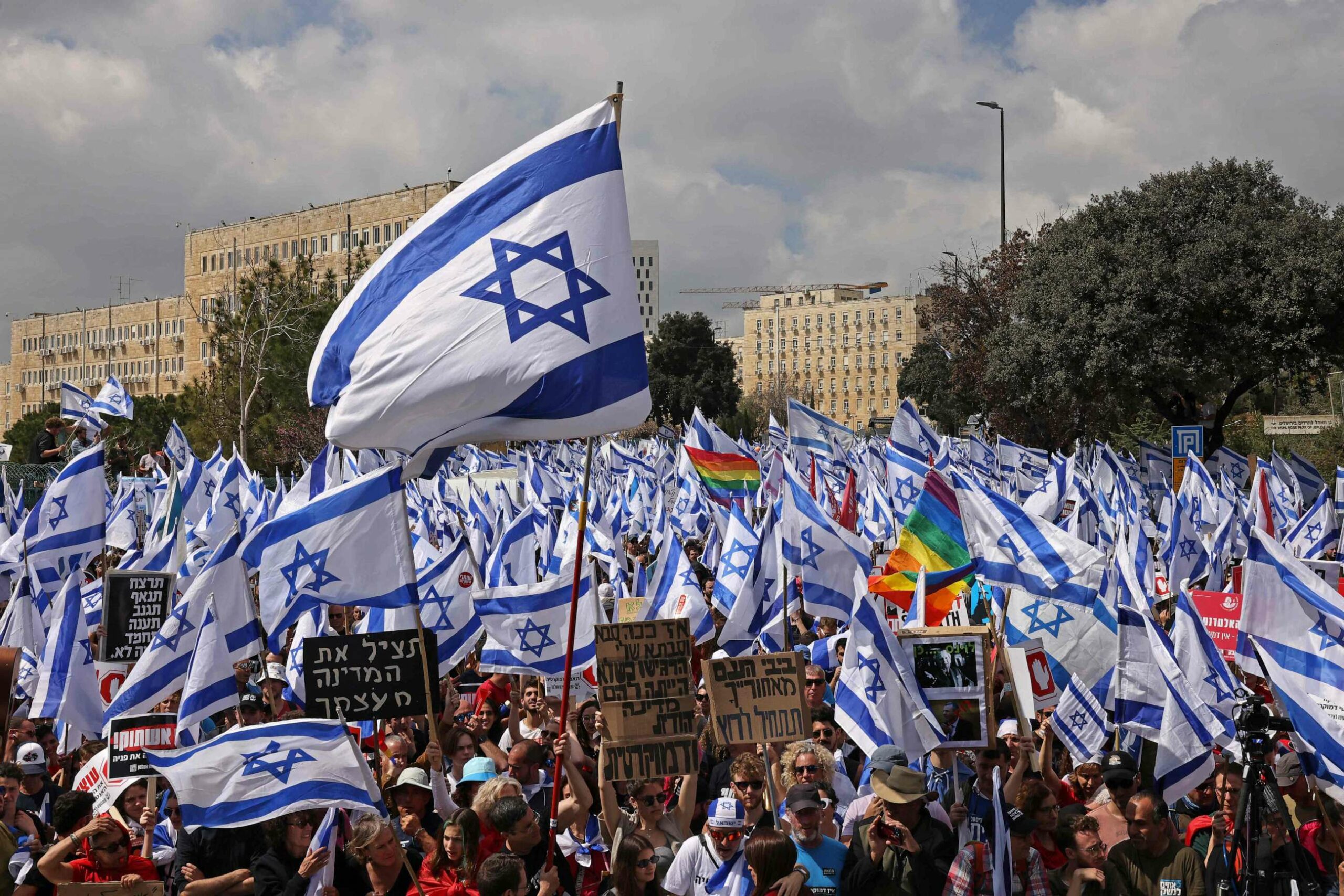
JERUSALEM—Two years after the bloodiest day in Israel’s history, the nation paused on Tuesday, October 7, 2025, to commemorate the Hamas-led attacks that shattered its sense of security. Yet, even as memorial services honored the approximately 1,200 people killed and remembered the 47 hostages still held captive in Gaza, a new, cautious hope emerged. Indirect peace negotiations between Israeli and Hamas officials, based on a U.S.-led plan, have entered their second day in Egypt, offering the prospect of finally ending the devastating two-year war.
A Nation in Mourning and Motion
Across Israel, the anniversary was observed with deeply personal and communal acts of remembrance. The state-organized official ceremony is scheduled for October 16, after the Jewish holiday of Sukkot, but for many, the mourning couldn’t wait.
- Nova Festival Site: At the desert grounds of the Nova music festival near Re’im, where over 370 people were massacred, hundreds gathered before dawn. They held a minute of silence at 6:29 a.m., the precise moment the attack began two years ago. Relatives lit candles and embraced, revisiting the site that has become a powerful, somber memorial to the slain and kidnapped.
- Kibbutzim and Communities: Unofficial commemorations took place in the southern kibbutzim, like Kfar Aza and Be’eri, whose residents were at the epicenter of the cross-border assault. The charred and abandoned homes stand as stark, tangible reminders of the trauma.
- Hostages Square, Tel Aviv: The square, which has become the focal point for the families of the remaining hostages, was the scene of another large rally. These events mixed grief with political urgency, with families and supporters using the anniversary as a platform to demand the government prioritize a deal to bring the captives home immediately. The omnipresent faces of the hostages, still plastered on bus stops and billboards, underscore the nation’s ongoing agony.
The national mood remains one of deep trauma and a pervasive sense of vulnerability. Compounding the grief is widespread public dissatisfaction—surveys show that over 70% of Israelis are unhappy with the government’s handling of the war.
Peace Talks Under the Shadow of War
The solemnity of the anniversary was juxtaposed with the fragile momentum of indirect peace talks in Sharm El-Sheikh, Egypt. Mediated by Egypt and Qatar, delegations from Israel and Hamas are working through the details of a U.S.-proposed 20-point peace plan unveiled last week by President Donald Trump.
The plan is ambitious, calling for a phased end to the conflict:
- Phase One: An initial ceasefire and the release of all remaining hostages held by Hamas in exchange for a large number of Palestinian prisoners in Israeli detention.
- Longer-Term Goals: The eventual disarmament of Hamas, a gradual withdrawal of Israeli troops from Gaza, and the establishment of an international security and governance force.
Key Obstacles Remain
While both sides have reportedly shown a willingness to engage, critical sticking points remain, casting a long shadow over the negotiations:
- Hamas Demands: Hamas negotiators are seeking a permanent ceasefire and a guarantee that Israeli military operations will not resume after the hostages are released. The group has yet to publicly agree to the key condition of disarmament.
- Israeli Conditions: Israeli Prime Minister Benjamin Netanyahu has maintained that the war will not end until all hostages are returned and Hamas is disarmed. The government has accepted the U.S. proposal but faces internal pressure from far-right coalition members who have threatened to topple the government if a deal is reached.
U.S. negotiators, including presidential envoys, joined the talks with an urgent call from President Trump to “move fast,” expressing optimism that a deal is “very, very close.” However, the difficulty of bridging the divide on the core issues—especially on Hamas’s future and the end of hostilities—makes the task a “Herculean” one, according to observers.
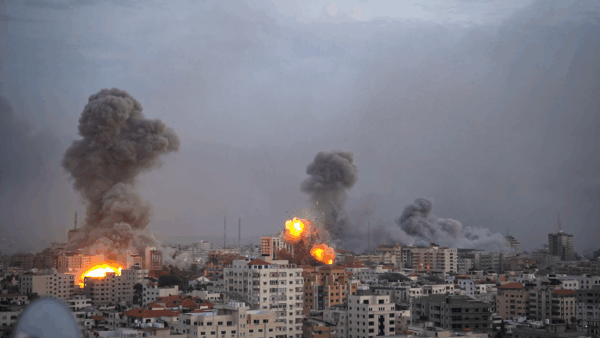
As talks continue, the two-year anniversary of the war serves as a stark reminder of the immense cost of the conflict, with Palestinians in Gaza facing widespread famine and catastrophic destruction, and Israel grappling with its deepest security crisis in decades. The simultaneous pursuit of closure through commemoration and peace through negotiation highlights the conflicting pressures on a region desperate for an end to the violence.