
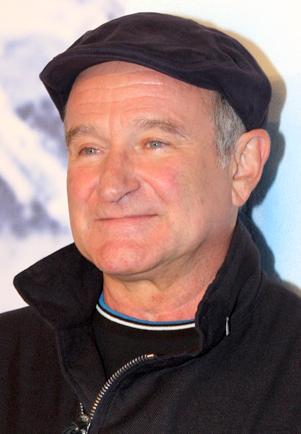
Zelda Williams, the daughter of the late, beloved actor and comedian Robin Williams, has issued a powerful and emotional plea to the public to stop creating and sending her AI-generated videos of her father. The filmmaker and actress condemned the content as a grotesque exploitation of her father’s legacy, calling the trend a “maddening” form of digital “puppeteering.”
In a strongly worded series of messages posted to her Instagram Stories, Williams directly addressed the people who create or share the AI recreations, which often attempt to mimic her father’s distinctive voice and likeness.
A Call for Decency
Williams, who directed the 2024 horror-comedy Lisa Frankenstein, stated unequivocally that the AI videos are a violation of respect for the deceased and her family’s grief.
“Please, just stop sending me AI videos of Dad,” she wrote. “Stop believing I wanna see it or that I’ll understand, I don’t and I won’t… But please, if you’ve got any decency, just stop doing this to him and to me, to everyone even, full stop. It’s dumb, it’s a waste of time and energy, and believe me, it’s NOT what he’d want.”
Her concerns are not new. Williams has previously spoken out against the use of AI to recreate her father’s voice, particularly during the 2023 SAG-AFTRA strike, where the issue of digital likenesses and consent was a major point of contention.
‘AI Slop’ and the Devaluation of Art
Beyond the personal distress, Williams took aim at the quality and ethics of the content itself, delivering a striking metaphor that has resonated across the debate on generative AI.
She described the practice as watching: “the legacies of real people be condensed down to ‘this vaguely looks and sounds like them so that’s enough,’ just so other people can churn out horrible TikTok slop puppeteering them is maddening.”
She continued her condemnation of what many in the industry call “AI slop” by saying: “You’re not making art, you’re making disgusting, over-processed hotdogs out of the lives of human beings, out of the history of art and music, and then shoving them down someone else’s throat hoping they’ll give you a little thumbs up and like it. Gross.”
Williams also rejected the notion of AI as an inevitable or beneficial “future,” arguing that the technology is simply “badly recycling and regurgitating the past to be re-consumed.”
Broader Industry Concerns
Williams’ public stance highlights the escalating ethical and legal dilemmas facing Hollywood as generative AI tools become more sophisticated and widely available. The ability to cheaply and quickly recreate the image and voice of a deceased performer without their consent—or the consent of their estate—is a growing issue for actors’ unions and families alike.
Robin Williams, who died in 2014 at the age of 63, remains one of the most beloved figures in comedy and cinema. His daughter’s impassioned plea underscores a growing public conversation about the moral boundaries of technology and the need to protect a person’s digital legacy, especially those who can no longer consent to their own “recreation.”