
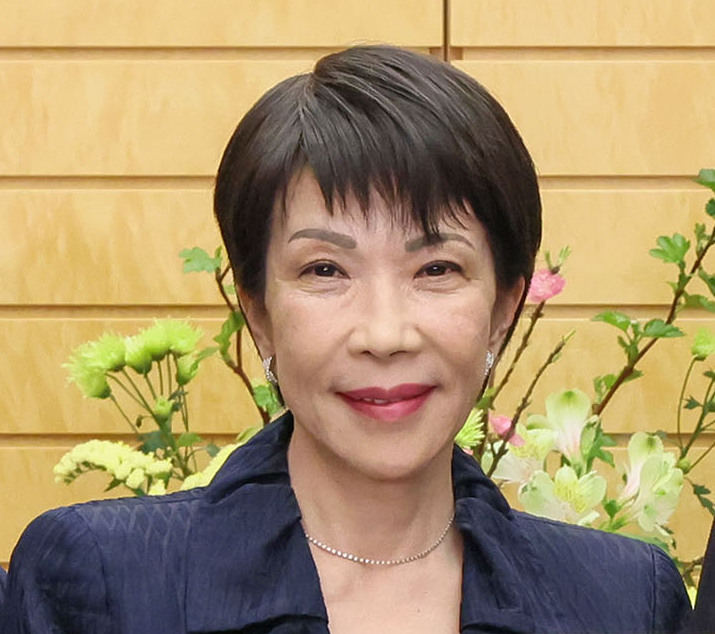
TOKYO—In a historic vote that defied the long-entrenched patriarchy of Japanese politics, Sanae Takaichi has been elected president of the ruling Liberal Democratic Party (LDP), paving her way to become Japan’s first female prime minister.
The 64-year-old former economic security minister and protégé of the late Shinzo Abe secured the party’s top post in a runoff vote on Saturday, instantly shattering the “highest glass ceiling” in a nation consistently ranked poorly for gender equality. She is expected to be formally appointed Prime Minister by the Diet (Japan’s parliament) around October 15, replacing the outgoing Shigeru Ishiba.
However, the history-making moment is complicated by Takaichi’s ultra-conservative, nationalist ideology, which political analysts warn may not herald a new era of liberal social reform for Japanese women.
A Protégé of the Right-Wing
Takaichi, a veteran lawmaker with over three decades in parliament, is the undisputed torchbearer for the LDP’s hawkish right-wing. She is often compared to former British Prime Minister Margaret Thatcher, a role model she frequently invokes, though critics note her preference for aggressive fiscal spending contrasts sharply with Thatcher’s discipline.
Her political platform is an aggressive cocktail of social conservatism and economic expansionism:
- Security Hawk: She advocates for a stronger military, a larger defense budget, and a debate over allowing the use of U.S. nuclear weapons in Japan during an emergency.
- Abenomics Revival: She plans to continue with a variant of her mentor Shinzo Abe’s “Abenomics,” supporting aggressive monetary easing and heavy government spending to spur growth and combat rising prices.
- Cultural Conservatism: Takaichi staunchly opposes social reforms like same-sex marriage and allowing married couples to keep separate surnames, arguing they “undermine traditional family values.” She also supports male-only imperial succession.
- Foreign Relations Strain: A self-described “China hawk,” Takaichi’s positions, including her regular visits to the controversial Yasukuni Shrine, are expected to strain already delicate relationships with Beijing and Seoul.
Historic Rise, Uncertain Outlook for Gender Equality
Takaichi’s victory is an undeniable milestone, making her the first woman to lead the LDP, a party that has governed Japan nearly continuously since 1955. Yet, experts caution that her leadership will not necessarily advance the cause of gender equality.
“She has no interest in women’s rights or gender policies,” warned one politics and gender specialist from Tokai University.
During her campaign, Takaichi did promise a significant increase in the number of female ministers in her government. However, she has largely stuck with traditionalist views favored by the male heavyweights of the LDP. Her pledge to abandon “work-life balance” and “work, work, work” to revive the nation, while cheered by some for its resolute tone, also drew criticism for reinforcing Japan’s culture of overwork.
The Daunting Challenges Ahead
Takaichi inherits a deeply fractured political landscape and a daunting list of national crises. The LDP-led coalition recently lost its majority in both chambers of parliament, forcing Takaichi to build a broader coalition to govern effectively.
Her immediate challenges include:
- Economic Malaise: Tackling sluggish growth, rising inflation, and the lingering social impact of poor-paid non-regular employment.
- Demographics and Welfare: Managing a rapidly aging population where nearly a third are 65 or older, straining the nation’s social welfare budget.
- Geopolitical Jitters: Navigating increasing tensions in the Asia-Pacific and managing a critical, and likely tense, diplomatic relationship with the United States, with a possible summit with President Donald Trump looming in late October.
- Immigration: Appealing to conservative voters who have drifted to far-right, anti-immigration parties, a dynamic Takaichi fueled by suggesting Japan should “reconsider policies that allow in people with completely different cultures and backgrounds.”
The ascent of the former heavy-metal drummer and motorbike enthusiast to the pinnacle of Japanese power marks a tectonic shift. But as Japan looks to its first female leader for stability and change, it is clear that for Sanae Takaichi, the historic victory was just the warm-up. The real test is about to begin.