
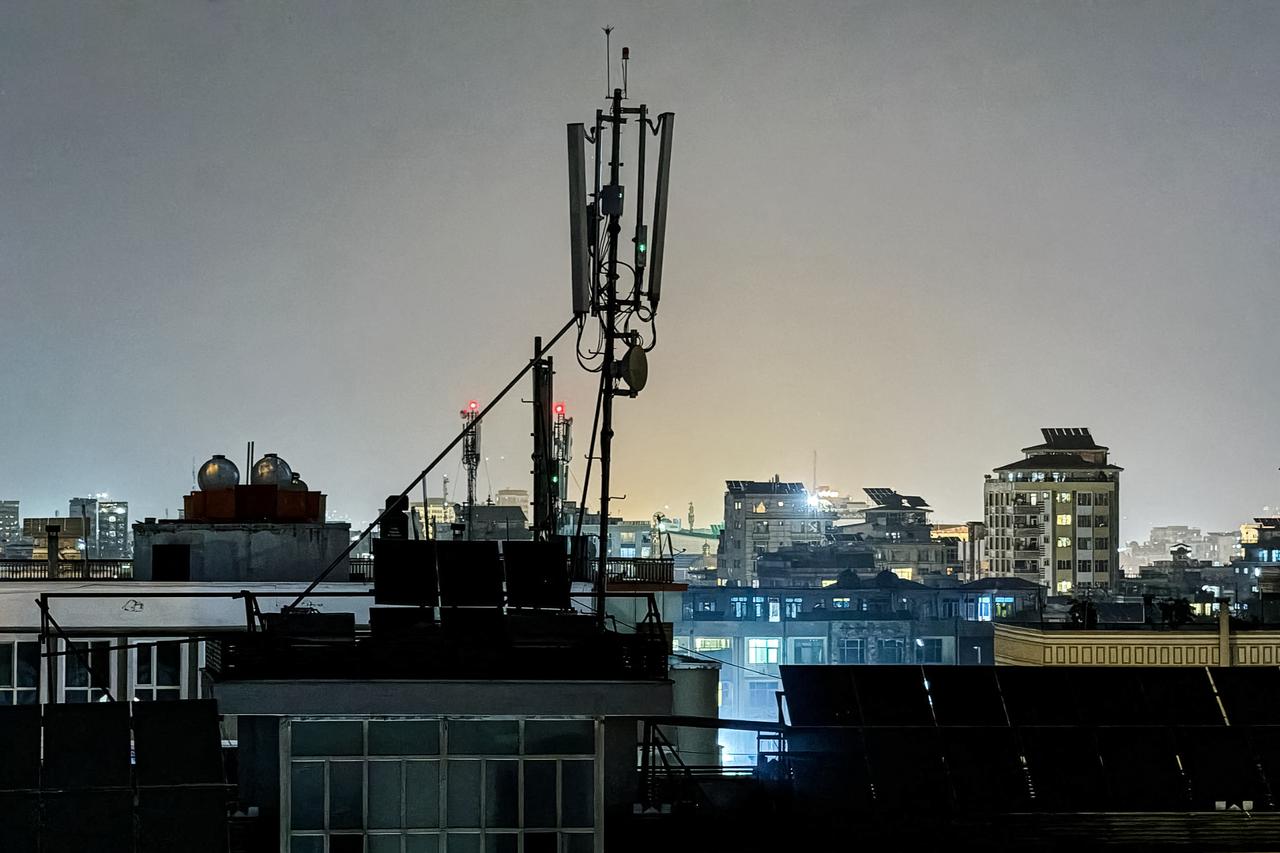
KABUL, Afghanistan — Afghanistan has been severed from the global internet, as Taliban authorities moved aggressively to enforce a sweeping, nationwide telecommunications blackout that critics warn is a calculated attempt to tighten the regime’s control and isolate the country from the world.
The blackout, which began as a phased shutdown in various provinces, culminated on Monday in a near-total communications collapse, with connectivity plummeting to as low as 1% of ordinary levels, according to internet watchdog NetBlocks. The disruption has cut off not just high-speed internet, but also severely impacted mobile and fixed-line telephone services that rely on the same vital fiber-optic infrastructure.
The order to pull the plug came directly from the Taliban’s reclusive Supreme Leader, Hibatullah Akhundzada, who decreed the ban on fiber-optic networks to “prevent immoral activities.”
The Reason: A War on ‘Vice’
Since seizing power in August 2021, the Taliban has systematically rolled back freedoms, but this move marks the first time the regime has targeted the country’s core communications backbone—a network largely built with international aid money and previously touted as a key to national development.
Taliban officials in northern provinces confirmed the initial shutdown was aimed at curbing what they termed “vice,” including concerns over pornography and improper online interactions between men and women.
However, media and human rights organizations have universally condemned the action as a brazen escalation of censorship and an attempt to stifle the free flow of information. The Afghanistan Media Support Organization stated the ban “poses a grave threat to freedom of expression and the work of the media.”
The Devastating Impact: Isolation of Women and Collapse of Commerce
The ramifications of the blackout are immediate and devastating, threatening to push a country already grappling with a humanitarian crisis further into isolation.
- A Final Lifeline Cut for Women: For thousands of Afghan women and girls banned from secondary schools and universities, the internet had become the last remaining lifeline for education, online work, and communication with the outside world. The high-speed fiber lines were essential for online courses and virtual book clubs, which are now instantly inaccessible.
- Economic Paralysis: The banking sector, private businesses, and crucial humanitarian aid operations depend on stable, fast internet. Aid workers rely on digital platforms for payments, logistics, and coordinating relief. Business owners across major cities like Mazar-i-Sharif and Kandahar are already reporting a complete standstill, unable to communicate with international partners or manage supply chains.
- A Deliberate ‘Blind Spot’: Torek Farhadi, a former senior advisor to the IMF and World Bank, described the move as a “deliberate decision to lead society to a blind spot,” warning that it “closes the door on online education [and] severely handicaps business owners.”
The sheer scale of the disruption has prompted fears that the Taliban is moving to create a state-controlled “national intranet,” a walled-off digital space that would be far easier to monitor and censor than the global web.
As the country remains dark, the silence from Afghanistan is the clearest sign yet of the regime’s increasing confidence in enforcing its rigid interpretation of social and digital order, effectively drawing a new “digital iron curtain” around its 40 million citizens.