
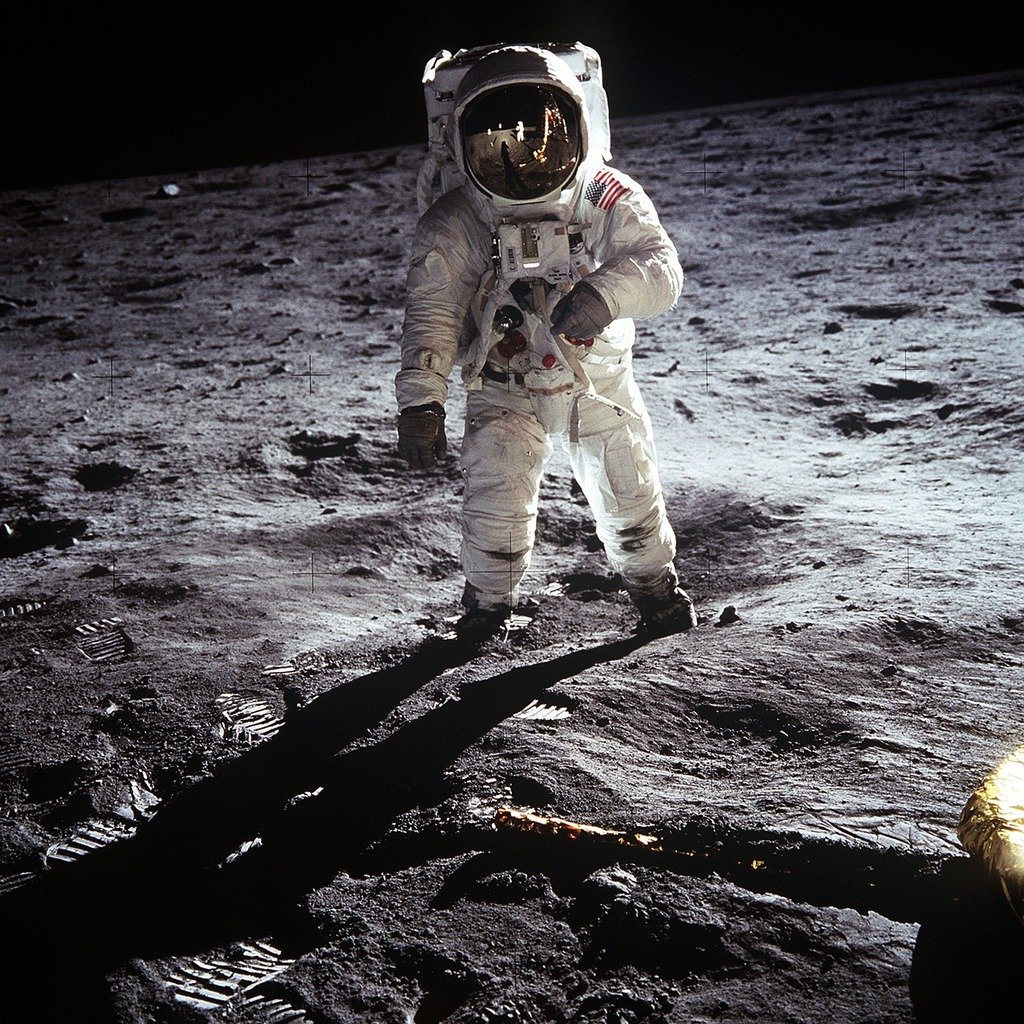
In a historic announcement that signals the dawn of a new era of space exploration, NASA has set a firm date for its return to the Moon, targeting a February 2026 launch for its first crewed mission in over half a century. The flight, known as Artemis II, will not land astronauts on the lunar surface, but it represents a crucial and long-awaited step in a global race back to our celestial neighbor.
The mission will send four astronauts aboard the Orion spacecraft on a 10-day journey around the Moon, flying farther from Earth than any human has been since the Apollo program ended in 1972. The crew—Commander Reid Wiseman, Pilot Victor Glover, and Mission Specialist Christina Koch from NASA, along with Canadian Space Agency astronaut Jeremy Hansen—will serve as test subjects for the new era of deep space travel, confirming that the spacecraft’s systems can support human life in the unforgiving environment of deep space.
The Artemis II flight will be a test of the most powerful rocket in the world, the Space Launch System (SLS). Standing taller than the Statue of Liberty, the mega-rocket will propel the Orion capsule out of Earth’s orbit and onto a “free-return trajectory” around the Moon, a path that will slingshot it back to Earth using the Moon’s gravity. It is the first major step since the uncrewed Artemis I mission in 2022, and its success is a non-negotiable prerequisite for future lunar landings.
While the mission is a testament to scientific ingenuity, it also carries profound geopolitical significance. It places the United States in direct competition with a resurgent Chinese space program, which has a stated goal of landing its own astronauts on the Moon by 2030. NASA officials have stressed that safety is their top priority, even as they face pressure to move quickly to regain a leadership position in space exploration.
The ultimate goal of the Artemis program, beyond this initial flyby, is to establish a sustainable human presence on the Moon and use it as a proving ground for the next great journey: a crewed mission to Mars. But for now, the focus is on a single, historic moment. Over 50 years after humanity last left Earth’s orbit, the world will once again watch as astronauts venture into the deep abyss, on a path that is both a tribute to the past and a bold promise for the future.